Why Sewage Backups Are Treated Differently Than Water Damage
Not all water damage is the same. Restoration professionals classify water damage into three categories based on how contaminated the water is. A burst supply line is Category 1 (clean water). A washing machine overflow with detergent is Category 2 (gray water). A sewage backup is Category 3 — the highest contamination level — also called “black water.”
Category 3 water contains raw sewage, bacteria, viruses, and other pathogens that pose serious health risks. This is why a sewage backup cannot be treated like a standard water spill, and why it is never safe to clean up without professional training, equipment, and proper disposal protocols.
For homeowners in Carlsbad, Oceanside, Encinitas, Vista, and San Marcos, sewage backups most commonly occur during heavy rain events when municipal sewer lines become overwhelmed and back up into homes, or from aging private lateral lines that become blocked by tree roots, grease buildup, or pipe collapses.
What to Do Immediately After a Sewage Backup
1. Get everyone out of the affected area. Do not let children or pets into the space. Avoid contact with the water.
2. Don’t run any water fixtures. Running sinks, toilets, or washing machines while the sewer is blocked will push more sewage into your home.
3. Document everything before anything is moved. Photograph and video the full extent of the backup. This documentation is critical for your insurance claim.
4. Call a licensed restoration company. Call before you call your insurance carrier. A professional assessment gives you the documentation your insurance adjuster needs. At Tamarack Restoration, we respond within 60 minutes throughout North San Diego County.
5. Do not run fans or HVAC. Circulating air in a sewage-contaminated space spreads contaminated particles and bacteria. Leave all HVAC and circulation off until professionals arrive.
The Professional Sewage Cleanup Process
When our technicians arrive at your Carlsbad or North County home, here is what the remediation process looks like:
Step 1: Safety Assessment and Containment
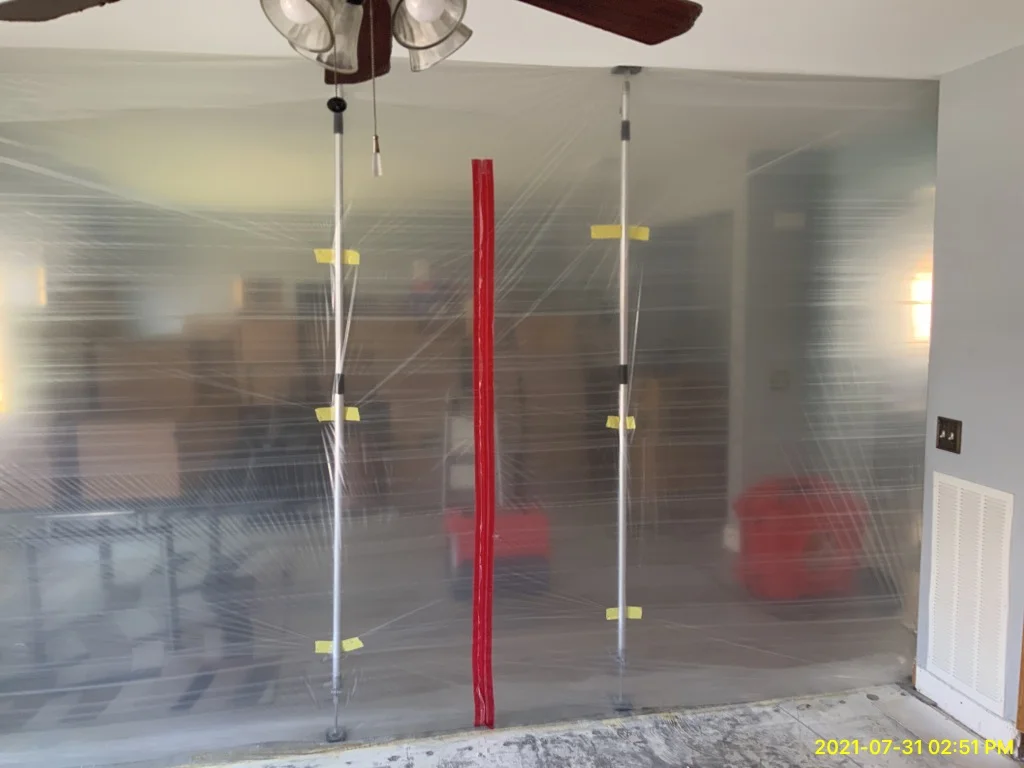
Before any work begins, we establish a containment zone using plastic sheeting and negative air pressure to prevent contaminated air from spreading into unaffected areas of the home. All technicians wear full personal protective equipment.
Step 2: Extraction and Removal
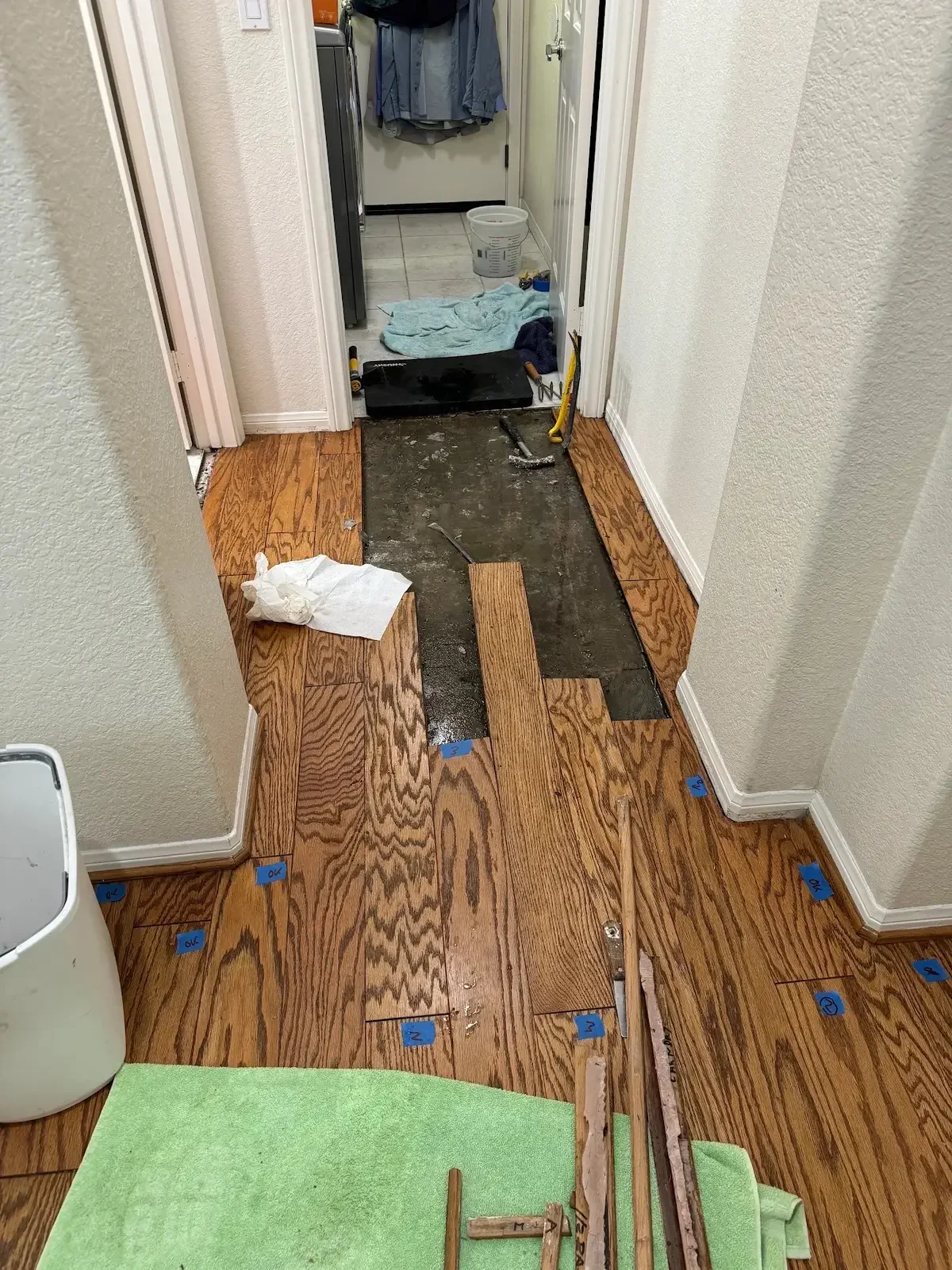
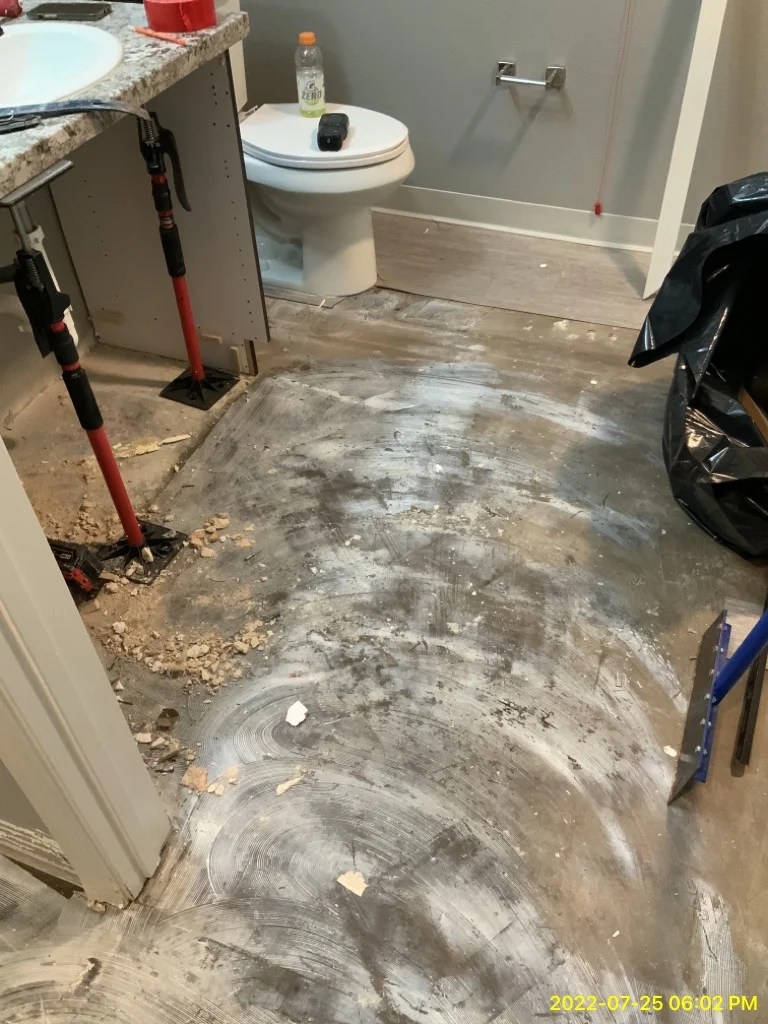
Standing sewage water and saturated materials are removed using specialized extraction equipment. Any porous materials that came in contact with Category 3 water — drywall, insulation, carpet, padding, baseboards — are typically removed. This is not optional. Porous materials cannot be disinfected to safe levels and must be discarded.
Step 3: Disinfection and Antimicrobial Treatment
After extraction and demolition, all surfaces in the affected area are treated with EPA-registered antimicrobial and disinfecting agents. This includes subfloor surfaces, framing, concrete slabs, and any structural materials that remain.
Step 4: Structural Drying
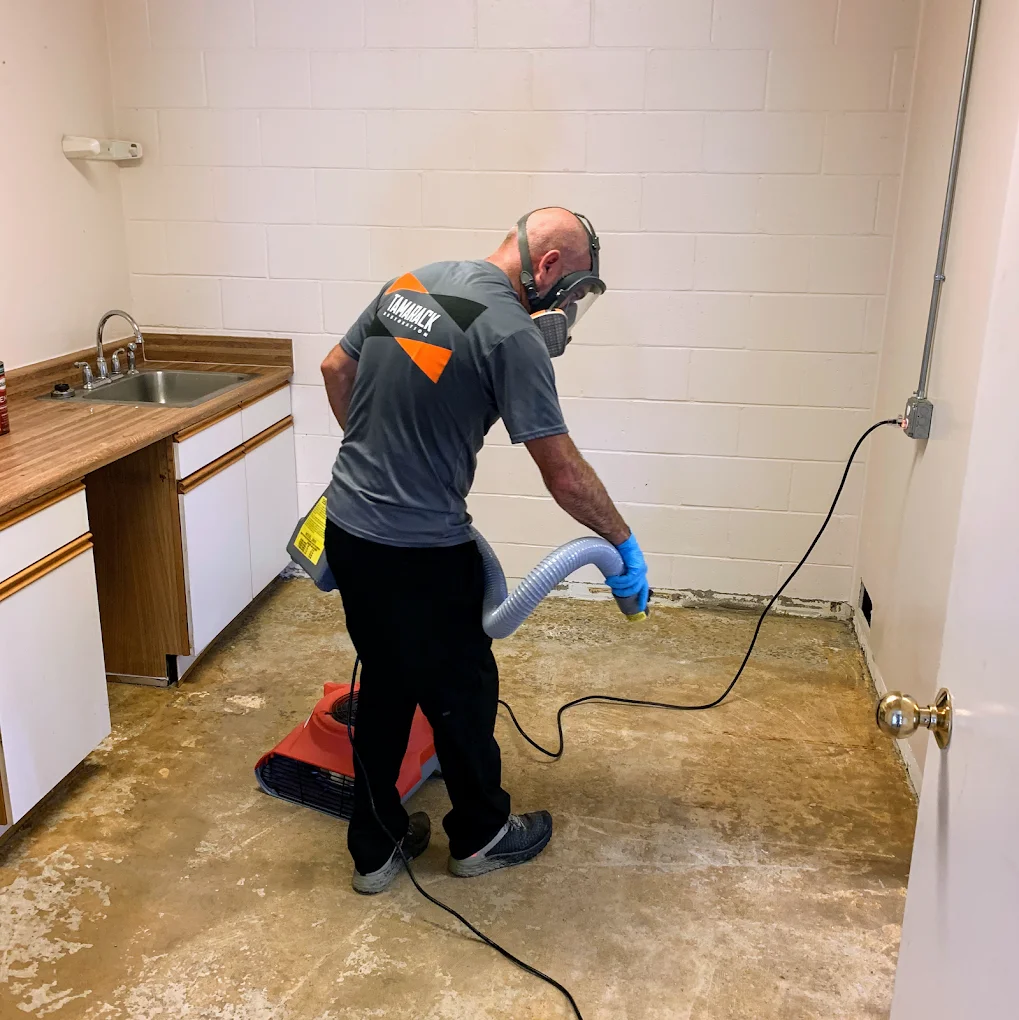
Industrial dehumidifiers and air movers are deployed to dry all structural materials to industry-standard moisture levels. We monitor moisture readings daily using calibrated meters and document the drying progress — a requirement for most insurance claims.
Step 5: Post-Remediation Testing and Clearance
Once drying is complete, we conduct a final assessment to confirm that all contamination has been eliminated and structural materials are dry. Your insurer may require third-party testing before repairs begin.
Step 6: Rebuild
With clearance in hand, structural repairs begin — replacing drywall, subfloor, flooring, baseboards, and other affected materials to restore your home to pre-loss condition.
Common Causes of Sewage Backups in North San Diego County
Municipal sewer surcharge during heavy rain. When storm water infiltrates the sewer system during heavy winter or spring rains, municipal lines can become overwhelmed, pushing sewage backward into the lowest points of connected homes — typically floor drains, bathrooms, and laundry rooms.
Tree root intrusion. North County’s mature neighborhoods in Carlsbad, Encinitas, and Oceanside have abundant trees whose roots can infiltrate older clay or cast-iron lateral sewer lines over decades. Root intrusion causes blockages and eventually structural pipe failure.
Grease and debris buildup. Kitchen grease and non-flushable wipes accumulate in lateral lines and cause blockages that result in backups when lines become fully obstructed.
Failed or collapsed pipes. Homes built in the 1950s through 1980s often have aging clay or orangeburg pipes that collapse or misalign over time, causing blockages.
Health Risks of Untreated Sewage Contamination
Sewage contains pathogens including:
- E. coli — can cause severe gastrointestinal illness
- Hepatitis A — transmitted via fecal-oral contact with contaminated surfaces
- Salmonella — highly contagious from contaminated surfaces and standing water
- Norovirus — extremely hardy and capable of surviving on surfaces for days
- Parasites including Giardia and Cryptosporidium
Children, elderly individuals, and anyone with a compromised immune system are at heightened risk. Even low-level exposure from walking through a contaminated area in bare feet or touching surfaces can cause illness.
This is why professional remediation is not simply about getting the water out — it is about eliminating the biological hazard from every surface the sewage contacted.
What Homeowners Insurance Typically Covers
Standard homeowners insurance policies in California often exclude sewage backup damage unless the policyholder has added a sewer backup endorsement or rider. Review your policy carefully and look for language related to:
- “Sewer or drain backup”
- “Service line coverage”
- “Water backup coverage”
If you have this coverage, your insurer will likely cover cleanup, demolition, drying, and structural repairs. If you don’t, you will pay out of pocket. Costs in the Carlsbad area for a typical bathroom sewage backup range from $2,000 to $8,000 before structural repairs.
Regardless of your coverage, document everything before any cleanup begins. At Tamarack Restoration, we work directly with all major carriers including State Farm, Allstate, Farmers, USAA, and Liberty Mutual, and we provide comprehensive documentation to support your claim.
Why Tamarack Restoration for Sewage Cleanup in North San Diego
We are a locally owned restoration company based in Carlsbad, serving homeowners throughout North San Diego County for over 10 years. Our technicians are IICRC certified in water damage restoration and applied microbial remediation — the specific certifications that apply to sewage and biohazard cleanup.
We respond within 60 minutes, 24 hours a day, 7 days a week. If raw sewage has entered your home, every hour matters. Call us at (760) 500-2211 for immediate dispatch.
Related Resources
Our services:
Related articles: