Understanding Fire Damage Restoration Costs in San Diego County
Fire damage restoration in San Diego County costs $3,000 to $50,000+ depending on the size of the fire, how far smoke and soot traveled, and how much water damage occurred during firefighting. A contained kitchen fire typically runs $3,000–$10,000; a multi-room fire requiring structural work can reach $30,000–$50,000 or more. Critically, smoke and soot remediation must begin within 72 hours — synthetic materials produce an oily soot that bonds permanently to surfaces if not cleaned with the correct solvent in that window.
In Carlsbad, Oceanside, Encinitas, San Marcos, Vista, and Rancho Santa Fe, the cost breakdown below will help you understand what you’re paying for — and why — before getting an estimate.
Cost by Fire Size and Scope
Small Contained Fire ($3,000–$10,000)
A small fire limited to a single area — a stovetop fire that didn’t spread beyond the kitchen, or a small electrical fire in a utility room — still causes smoke damage beyond the burn zone. Costs in this range typically cover:
- Cleanup of charred materials and debris
- Smoke and soot removal from affected surfaces
- Deodorization of the affected area
- Minor drywall and finish repair
Medium Fire — One to Two Rooms ($10,000–$30,000)
A fire that spread from its origin to adjacent rooms and required firefighter intervention (including water) falls into this range. Expect costs for:
- Full structural cleanup of burned areas
- Smoke and soot remediation across multiple rooms
- Water damage extraction and drying from firefighting
- Replacement of contaminated drywall, insulation, and flooring
- HVAC decontamination if smoke entered the system
- Odor elimination
Large Fire — Multiple Rooms or Whole Home ($30,000–$150,000+)
Major fires that spread through a significant portion of the home or required roof or structural work represent the highest cost tier. In addition to all of the above, these projects often involve:
- Structural engineering assessment
- Roof tarping and temporary boarding
- Major structural repairs or full rebuild of damaged sections
- Content restoration or replacement for furniture, appliances, and personal property
- Extended temporary housing costs
The Hidden Cost: Smoke and Soot Damage
One thing that surprises many homeowners is that smoke and soot damage often accounts for as much of the total cost as the actual burn damage — sometimes more. Smoke travels through a home’s air system, seeps into wall cavities, and penetrates porous materials far from the fire’s origin.
In San Diego County’s coastal and semi-arid climate, soot behaves differently than in wetter climates. Wet smoke from smoldering fires produces a sticky, oily residue that bonds to surfaces and is much harder to remove than dry smoke soot. The type of materials that burned — plastics produce a particularly corrosive soot — also affects both the difficulty of cleanup and the extent of material replacement needed.
If smoke enters the HVAC system, ductwork must be professionally cleaned or replaced to prevent ongoing contamination and odor from circulating through the home.
Water Damage from Firefighting
Fire suppression — whether from sprinkler systems or fire hoses — can leave thousands of gallons of water in a home. This water damage must be remediated as a separate scope of work from the fire and smoke damage, using the same equipment and process as a standard water loss: extraction, structural drying, and moisture monitoring.
In multi-story homes in Encinitas, Rancho Santa Fe, and the hill communities of North County, firefighting water on upper floors can travel to lower floors through walls and floor assemblies, significantly expanding the affected area.
What Insurance Typically Covers
Standard homeowners insurance in California treats fire as a covered peril. Your policy will generally cover:
- Dwelling coverage (Coverage A): Structural repairs and rebuilding costs
- Personal property (Coverage C): Replacement of damaged furniture, clothing, and belongings
- Additional living expenses (Coverage D): Hotel, meals, and temporary housing while the home is being restored
- Smoke and soot cleanup: Included as part of dwelling coverage
- Water damage from firefighting: Covered under the fire claim
Your policy limits and deductible will apply. Many San Diego County homeowners carry Coverage A limits that haven’t kept pace with local construction costs, which have risen sharply. If your dwelling limit is lower than the actual replacement cost of your home, you may face a coverage gap.
Tamarack Restoration works directly with all major carriers including State Farm, Allstate, Farmers, USAA, and Liberty Mutual. We provide detailed scopes of work, photo documentation, and moisture readings that give your adjuster what they need to process your claim efficiently.
The Fire Damage Restoration Process
Emergency response and securing the property. The first priority after a fire is protecting the remaining structure. This means boarding broken windows and doors, tarping damaged roof areas, and removing water before mold can begin to grow.
Assessment and scope of work. A certified restoration technician performs a full assessment of burn damage, smoke migration, soot contamination, and water intrusion. This scope is documented and submitted to your insurer.
Debris removal and cleanup. Burned materials and debris are removed, following all local disposal requirements for contaminated materials.
Smoke and soot remediation. Depending on the type of soot (wet vs. dry vs. protein-based), different cleaning methods are applied to salvageable surfaces. Porous materials that cannot be effectively cleaned are removed and replaced.
Odor elimination. Odor from fire and smoke is one of the most persistent problems after a fire loss. Professional techniques include thermal fogging, ozone treatment, and hydroxyl generation — methods that neutralize odor at a molecular level rather than masking it.
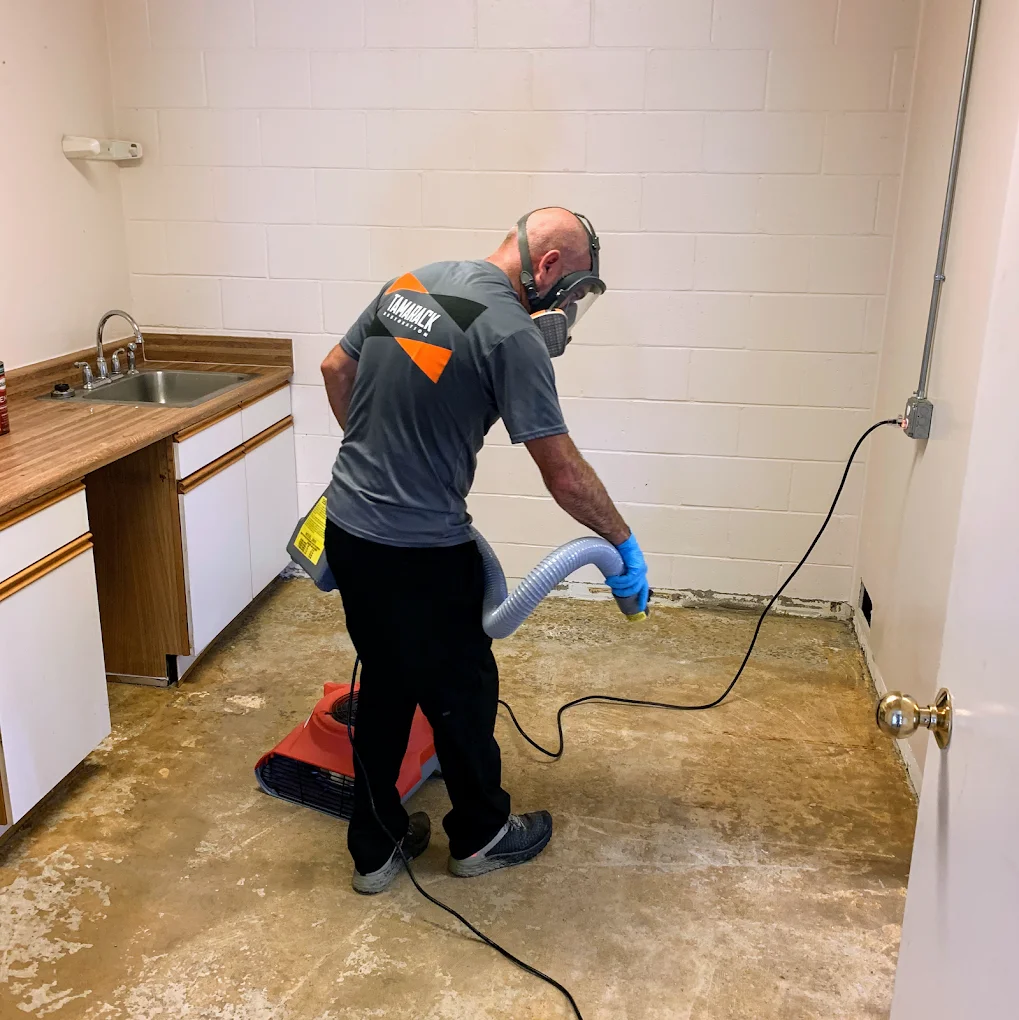
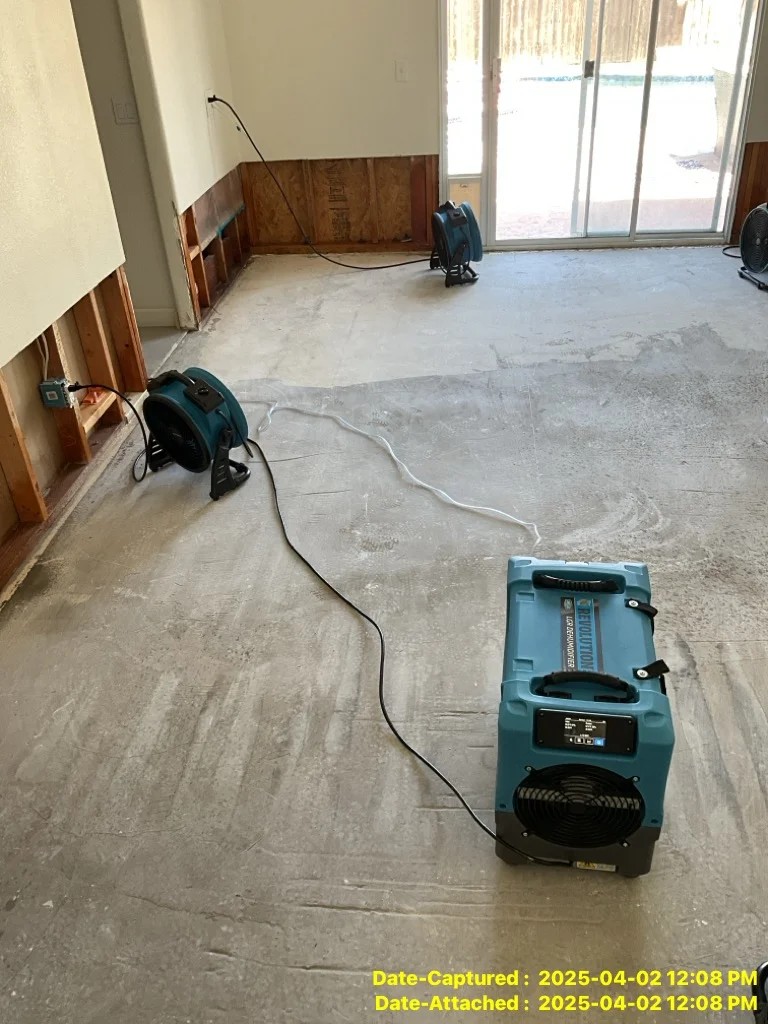
Structural drying. All water from firefighting is extracted and structures are dried using industrial dehumidifiers and air movers.
Repairs and rebuild. Once the structure is clean, dry, and cleared, repairs begin. This is the phase that brings the home back to its pre-loss condition.
Getting an Accurate Estimate After a Fire
No online cost calculator can give you an accurate number. Fire damage is highly site-specific, and the only way to know what restoration will cost in your Carlsbad, Oceanside, or Encinitas home is through an on-site assessment by a licensed restoration professional.
At Tamarack Restoration, we provide free assessments 24 hours a day, 7 days a week. We will walk through the damage with you, explain exactly what needs to happen and why, and provide a detailed written scope before any work begins. Call us at (760) 500-2211 — we respond within 60 minutes throughout North San Diego County.
Related Resources
Our services:
- Fire Damage Restoration in Carlsbad
- Fire Damage Restoration in Encinitas
- Fire Damage Restoration in Oceanside
- Water Damage Restoration
Related articles: