Mold in Encinitas: A Common Problem With a Real Solution
Encinitas is one of the most beautiful places to live in Southern California — and one of the most mold-prone. The same coastal climate that draws residents to this stretch of North San Diego County also creates ideal conditions for mold growth: year-round marine layer, elevated humidity during spring and early summer, and significant temperature variation between night and day that can cause condensation inside walls.
Homes in Encinitas, from the beach cottages of Leucadia to the hillside neighborhoods east of Interstate 5, experience mold issues at higher rates than inland San Diego communities. Understanding why mold grows here, how to identify it, and what professional remediation involves can help homeowners respond quickly and avoid the health and structural consequences of untreated mold.
Why Encinitas Is a High-Risk Mold Environment
The coastal marine layer — the low-hanging June Gloom and morning fog that characterizes Encinitas weather much of the year — keeps outdoor humidity high even when temperatures are mild. In homes without adequate ventilation, this outdoor humidity enters through window gaps, vents, and even through building materials themselves. Interior humidity above 60% creates conditions where mold can begin growing on any organic surface: drywall, wood framing, insulation, carpet backing, and furniture.
Additionally, many Encinitas homes were built in the 1960s through 1980s with building envelopes that were not designed for today’s understanding of moisture control. Older stucco exteriors, single-pane windows, and minimal insulation allow far more moisture transfer than modern construction.
Common locations for mold growth in Encinitas homes:
- Bathroom ceilings and walls — poor ventilation allows shower steam to saturate drywall
- Crawl spaces — soil moisture wicks upward and condenses on subfloor framing
- Under kitchen and bathroom sinks — slow drips from supply or drain lines that go undetected for months
- Behind washing machines — slow hose leaks that saturate the wall cavity
- Attic spaces — inadequate attic ventilation combined with coastal humidity
- Window frames and sills — condensation on older single-pane windows saturates surrounding drywall
Signs You Have a Mold Problem in Your Encinitas Home
Musty odor without visible cause. A persistent earthy or musty smell that doesn’t go away after airing out the home is one of the most reliable early indicators of mold growing inside walls, floors, or ceilings.
Visible discoloration. Dark spots on drywall, ceiling tiles, or grout, especially in bathrooms and kitchens. Mold can appear black, green, gray, or white depending on the species.
Respiratory symptoms that improve away from home. If household members experience congestion, sneezing, coughing, or eye irritation that improves when spending time outside the home or in other locations, mold exposure may be the cause.
History of water damage. Any previous water intrusion — roof leak, burst pipe, flooding, appliance failure — that was not fully dried within 48 to 72 hours creates a high likelihood of mold growth in the affected area.
Warping or bubbling surfaces. Drywall or paint that bubbles, peels, or warps can indicate trapped moisture that has created conditions for mold growth inside the wall.
The Professional Mold Remediation Process
Professional mold remediation in Encinitas follows industry standards established by the IICRC (Institute of Inspection, Cleaning and Restoration Certification) and guidelines from the EPA. Here is what the process involves:
Assessment and Testing
A certified technician inspects the home for visible mold and suspected moisture sources. Air sampling and surface sampling can identify mold species and spore concentrations. This assessment determines the scope of the remediation needed and confirms whether a health concern is present.
Containment
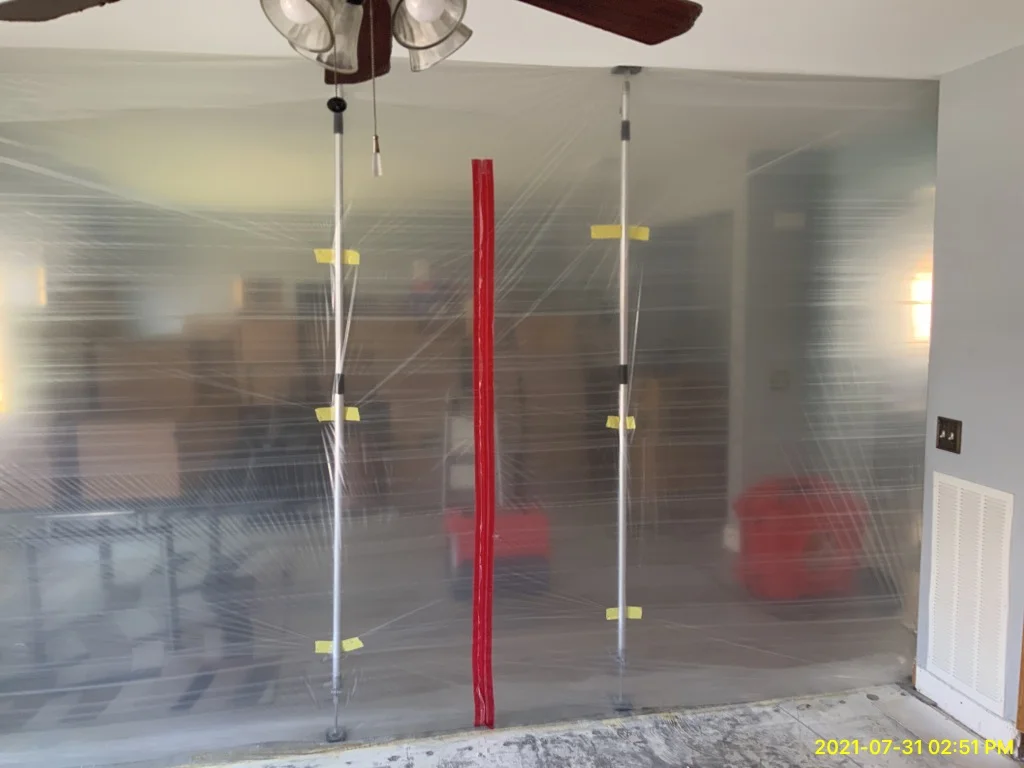
To prevent mold spores from spreading to unaffected areas during remediation, a containment zone is established using plastic sheeting and negative air pressure. This is a critical step that separates professional remediation from DIY attempts that inadvertently spread contamination.
HEPA Air Filtration
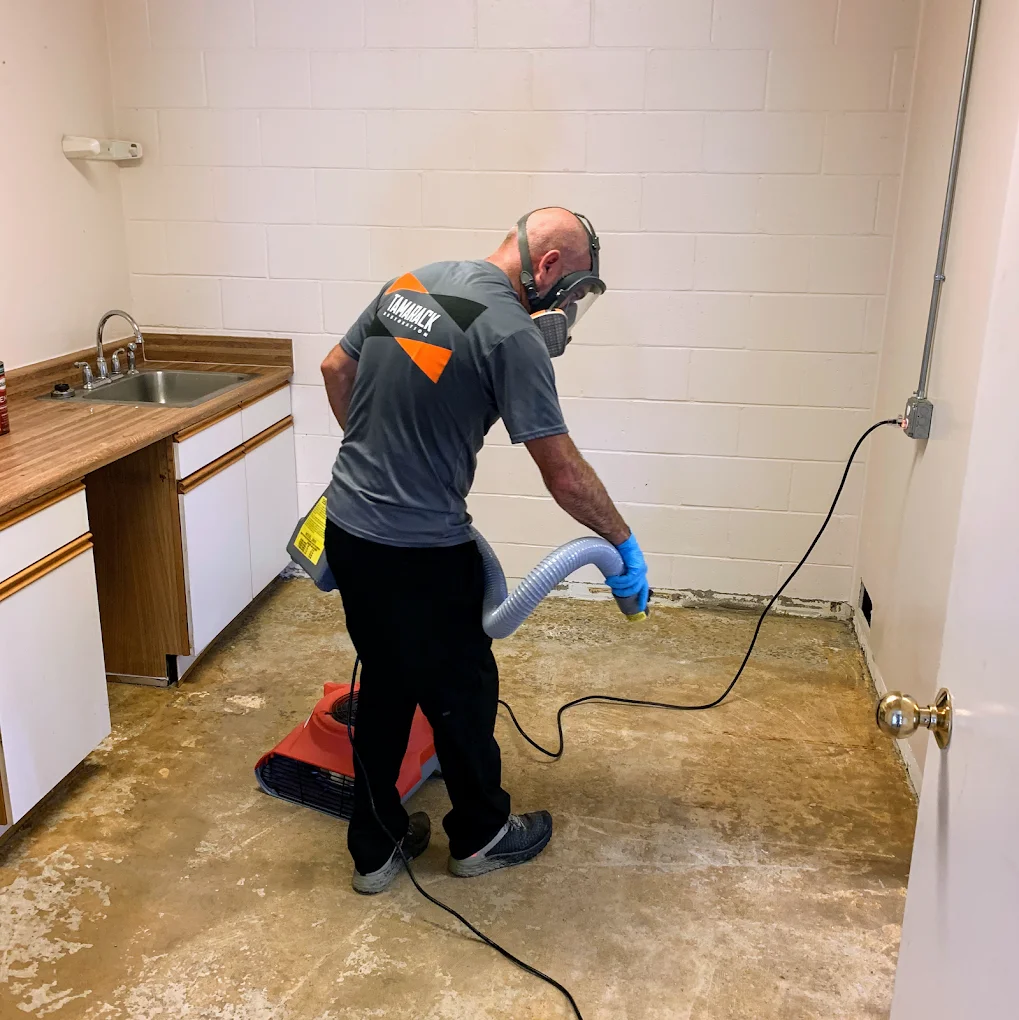
Air scrubbers equipped with HEPA filters run continuously during remediation to capture airborne spores and maintain air quality within the work zone.
Material Removal
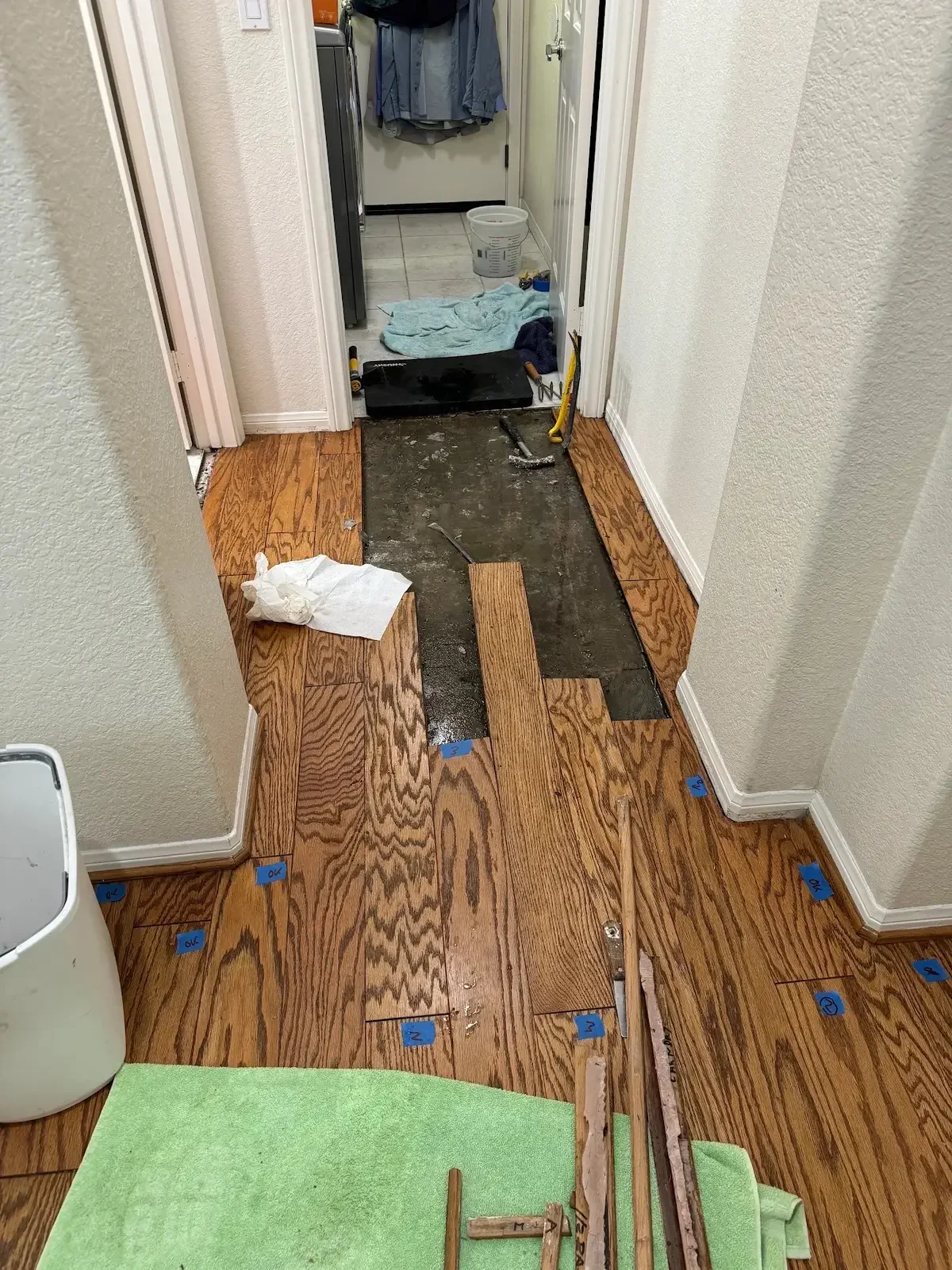
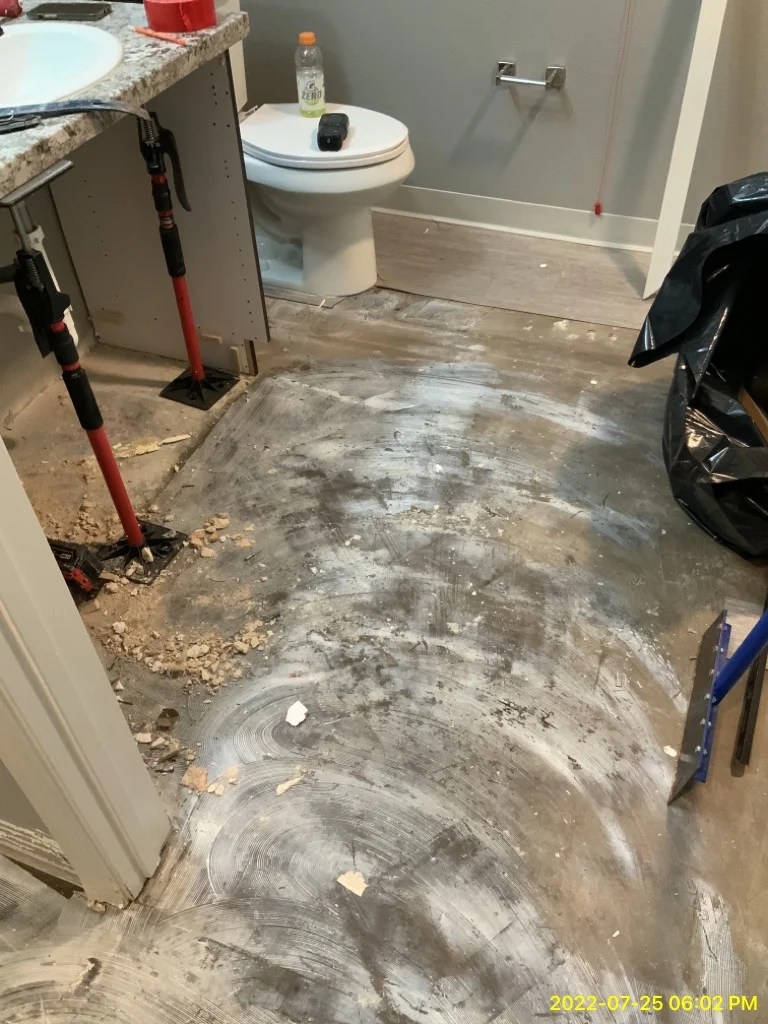
Porous materials with significant mold growth — drywall, insulation, carpet, wood framing in severe cases — are removed and disposed of following California guidelines. Materials cannot be cleaned to a safe standard once mold has penetrated below the surface.
Surface Cleaning and Treatment
After removal of contaminated materials, remaining structural surfaces are cleaned using antimicrobial solutions and treated with encapsulants where appropriate to prevent regrowth on any remaining spores.
Moisture Source Correction
No remediation is permanent without fixing the moisture source that caused the mold. Our technicians identify and address the underlying leak, ventilation problem, or humidity issue — or coordinate with plumbing and HVAC specialists to do so.
Post-Remediation Testing and Clearance
Once work is complete, a post-remediation verification test confirms that spore counts have returned to normal levels. This clearance documentation is typically required for insurance claims and real estate transactions.
Mold Remediation Cost in Encinitas
Costs vary significantly based on the size of the affected area and what materials need to be removed:
| Scope | Typical Cost Range |
|---|---|
| Small area (under 10 sq ft) — bathroom, under-sink | $1,500 – $3,500 |
| Medium area — one room, significant material removal | $3,500 – $8,000 |
| Large area — multiple rooms, HVAC, or crawl space | $8,000 – $20,000+ |
These ranges are estimates. Every Encinitas home and every mold situation is different. The only accurate number comes from an on-site inspection.
Mold and Real Estate in Encinitas
For Encinitas homeowners selling their property, undisclosed mold is a significant legal liability. California law requires sellers to disclose known material defects including mold. If mold is discovered during a buyer’s inspection, it will require remediation before close of escrow — often on the seller’s dime, under time pressure, and with limited choice of contractor. Addressing mold before listing gives you control over timing, contractor selection, and cost.
Choosing a Mold Remediation Company in Encinitas
When selecting a mold remediation contractor, look for:
- IICRC certification in Applied Microbial Remediation (AMRT) — the specific credential for mold work
- Licensed contractor in California (CSLB license)
- Clear scope of work in writing before any work begins
- Post-remediation testing included in the process — not just treated as an upsell
- Local references from Encinitas or North County homeowners
Tamarack Restoration is an IICRC-certified firm based in Carlsbad serving Encinitas, Solana Beach, Oceanside, and communities throughout North San Diego County. We provide free assessments and respond within 60 minutes for emergency situations. Call (760) 500-2211 any time.
Related Resources
Our services:
- Mold Removal in Encinitas
- Mold Removal in Carlsbad
- Water Damage Restoration in Encinitas
- Mold Removal Services
- Water Leak Repair
Related articles: