When a pipe bursts, a toilet overflows, or a storm floods your Oceanside home, you need help fast—but the type of help depends entirely on what’s actually in the water. Water damage restoration and sewage cleanup are both emergencies, but they’re fundamentally different problems with different risks, timelines, and solutions. This guide cuts through the confusion and tells you exactly which service you need and why.
The Core Difference: What’s in the Water
The single most important distinction between water damage restoration and sewage cleanup is contamination level and health risk.
Water damage typically involves clean or slightly contaminated water from sources like burst pipes, leaking appliances, roof leaks, or heavy rain. While this water can still cause serious structural and mold problems, it doesn’t carry the same biohazard threat as sewage.
Sewage backup or overflow introduces black water—water contaminated with human waste, fecal matter, pathogens, and dangerous bacteria including E. coli, hepatitis A, norovirus, and salmonella. A single exposure to black water can cause serious illness. This is a biohazard situation, not just a property damage situation.
The distinction matters because it changes everything: the equipment used, the protective protocols, the disposal method, the timeline, and the cost.
Urgency: Which Requires Faster Action
Both are emergencies. Both require professional response. But sewage backup edges out water damage on the urgency scale.
Sewage cleanup demands same-day response. If you have a sewage backup in your Oceanside home, you should not be in that space longer than necessary, and contamination spreads with every passing hour. Professional crews need to isolate the area, extract the sewage, disinfect surfaces, and dispose of contaminated materials safely. Delay increases health risk and cleanup cost.
Water damage requires 24-48 hour response. While still urgent, you have a slightly wider window. The goal is to stop the water source, remove standing water, dry the space, and begin mold prevention before fungal growth takes hold. Every day matters, but water damage doesn’t carry the immediate biohazard threat of sewage. That said, waiting more than 48 hours dramatically increases mold risk and repair costs.
For Water Damage Restoration Oceanside calls, the first 24 hours are critical. For sewage, the first few hours are critical.
Health & Safety Risks
This is where the comparison becomes stark.
Water damage health risks are primarily indirect:
- Mold growth (allergies, respiratory issues, asthma triggers)
- Structural rot and instability
- Electrical hazards if water reaches wiring
- Contaminated drywall and insulation
Sewage backup health risks are immediate and direct:
- Bacterial infections from skin contact or inhalation
- Viral infections (hepatitis A, norovirus)
- Parasitic infections
- Gastrointestinal illness
- Serious complications for elderly, young, or immunocompromised individuals
A family member with a cut on their hand who touches a sewage-contaminated surface can contract a serious infection. Mold from water damage is a slower, cumulative threat. Both matter. Sewage is more acutely dangerous.
The Restoration Process: What Actually Happens
Understanding what professionals do in each scenario shows why they’re different services.
Water Damage Restoration
- Stop the source – Shut off water supply, repair the leak or pipe
- Extract standing water – Use pumps and wet vacuums
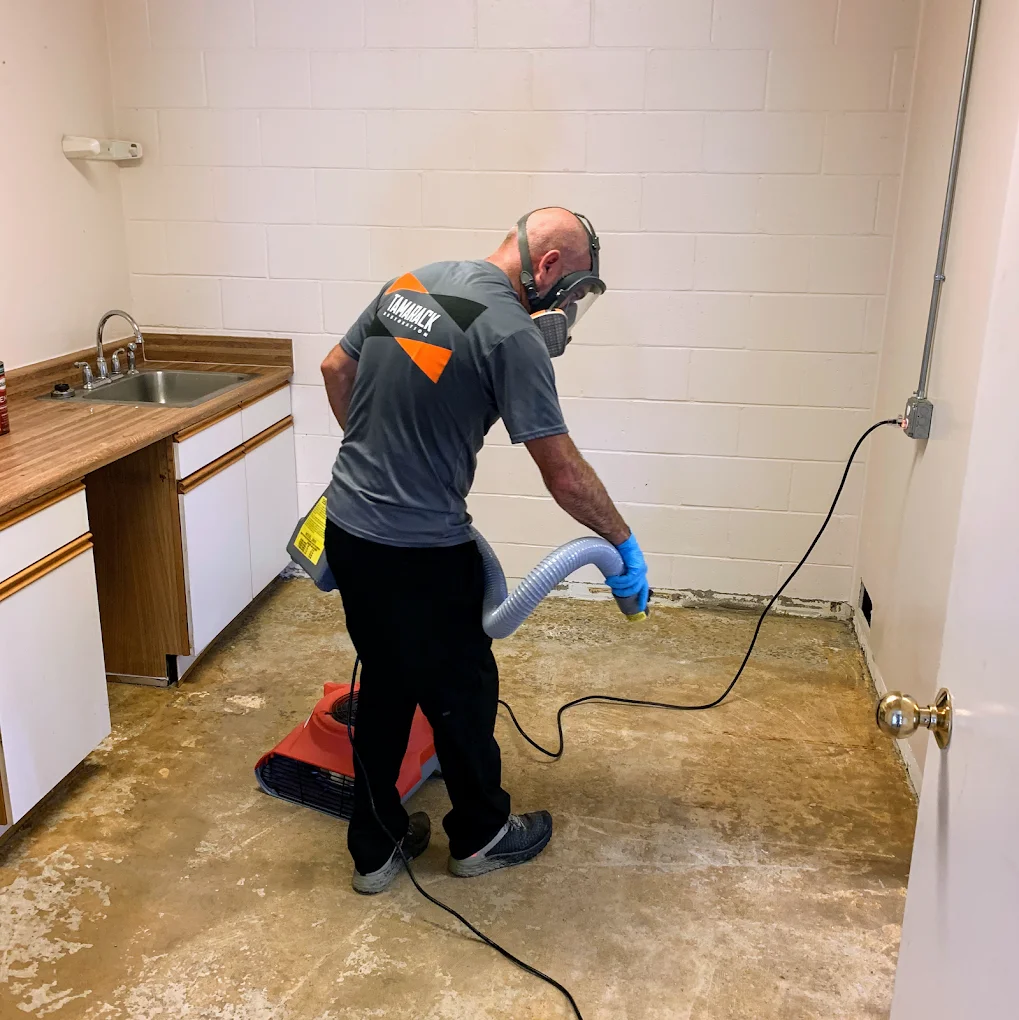
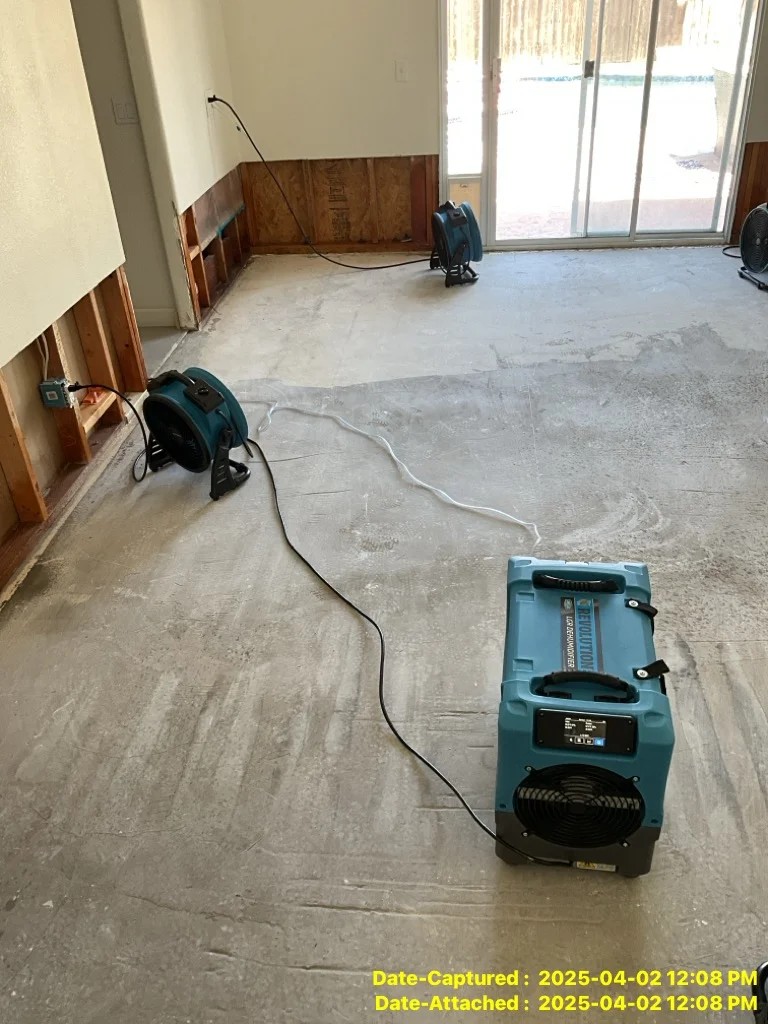
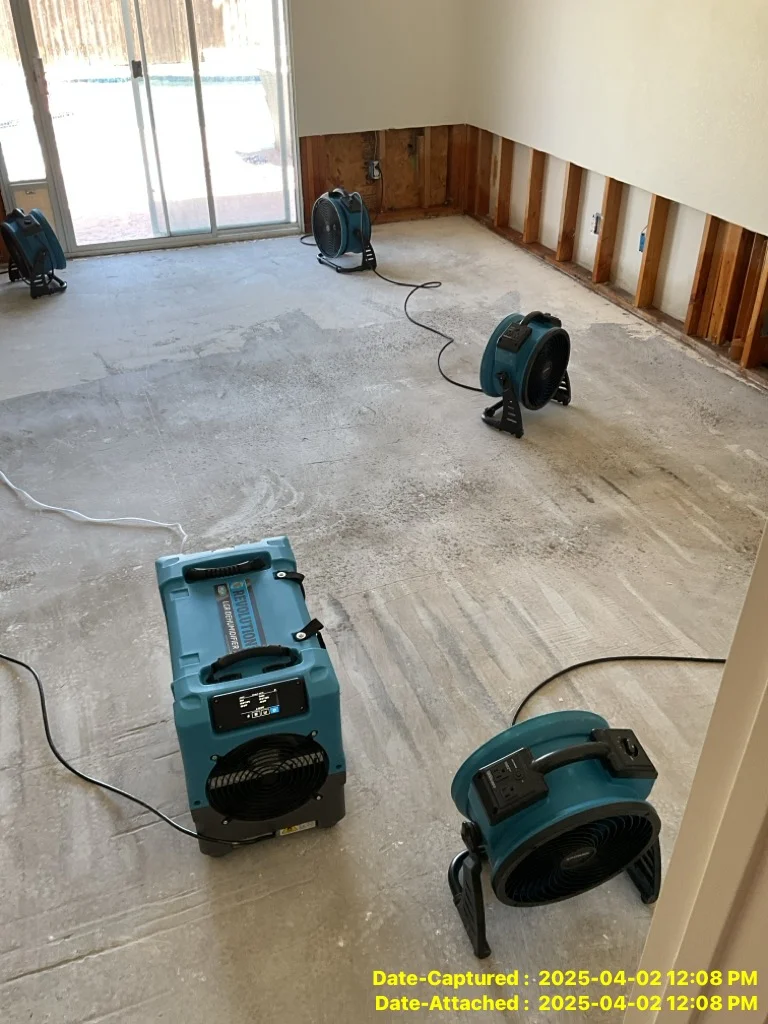
- Dry the space – Deploy dehumidifiers, air movers, and moisture monitoring
- Remove damaged materials – Drywall, carpet, insulation that can’t be saved
- Clean and disinfect – Standard cleaning protocols
- Restore or replace – Rebuild walls, flooring, cabinetry
Timeline: 3–7 days for typical residential water damage.
Sewage Cleanup
- Isolate the area – Seal off contaminated zones, establish negative pressure
- Extract sewage – Specialized pumps and equipment
- Remove contaminated materials – All porous items (drywall, carpet, insulation) must go
- Deep biohazard disinfection – Hospital-grade antimicrobial treatment of all surfaces
- Proper disposal – Contaminated waste disposed of per EPA and local regulations
- Verification – Professional testing to confirm biohazard remediation is complete
Timeline: 2–5 days, but with stricter protocols and mandatory documentation.
The sewage process is more intensive, more regulated, and more expensive because it’s treating a biohazard, not just property damage.
Cost Comparison
Water damage restoration in Oceanside typically runs $2,000–$10,000 for residential properties, depending on square footage affected and materials involved. Insurance often covers a significant portion.
Sewage cleanup typically runs $5,000–$25,000+ because it requires biohazard protocols, specialized disposal, and regulatory compliance. Insurance coverage depends on your policy rider; many standard homeowner policies exclude sewage backup without an add-on.
Sewage is more expensive because the work is more complex and the liability is higher.
When to Call a Professional: Clear Decision Points
Call a water damage restoration professional if:
- A pipe bursts inside your home
- An appliance leaks (water heater, dishwasher, washing machine)
- Your roof leaks after a storm
- Flooding occurs from heavy rain or a nearby water source
- You notice water staining or soft spots in drywall
You need this service within 24 hours to prevent mold and structural damage.
Call a sewage cleanup professional if:
- Your toilet backs up and overflows
- You smell raw sewage in your home
- Sewage is visible in your basement or crawlspace
- You have a septic system failure
- Municipal sewer line backs up into your property
You need this service immediately—ideally within hours, not days.
If you’re unsure whether the water is clean or contaminated, assume it’s contaminated and call a professional. They can assess the situation and recommend the right service.
Local Context: Water & Sewage Issues in Oceanside
Oceanside’s coastal location and aging infrastructure create specific vulnerabilities. Older homes near downtown Oceanside sometimes have outdated sewer lines prone to root intrusion and backups. Heavy winter rains and occasional coastal flooding create water damage calls. The combination means many Oceanside homeowners face both risks.
If you’re dealing with either emergency, local restoration companies familiar with Oceanside’s building codes, soil conditions, and insurance carriers can move faster and avoid costly mistakes.
The Clear Recommendation: Which Service Wins
For most homeowners facing a single emergency: water damage restoration is the more common need.
Burst pipes, roof leaks, and appliance failures happen more frequently than sewage backups. Water damage is also somewhat more manageable if you act quickly—the damage is contained to the affected area, and restoration is straightforward.
However, if you’re comparing severity and risk: sewage cleanup is the more critical service.
Sewage backup poses immediate health threats that water damage does not. A sewage backup demands faster response, more rigorous protocols, and professional expertise that cannot be substituted. If you have a choice between ignoring water damage and ignoring sewage backup, sewage backup is the one that could genuinely harm your family.
The real answer: you need to understand which situation you’re in and act accordingly.
If you’re seeing water in your basement or notice a leak, you need water damage restoration in Oceanside. If you smell sewage or see backup, you need sewage cleanup. Both require professional response. Both should happen today, not tomorrow.
For homeowners in Oceanside trying to decide between these services or unsure what they’re dealing with, the safest move is to call a restoration company that handles both. They can assess the situation, identify the contamination level, and recommend the right service. This eliminates guesswork and ensures your home and family are protected with the correct protocol from the start.
Tamarack Restoration handles both water damage and sewage emergencies in Oceanside with 60-minute response times. If you’re facing either situation, Contact Us or call (760) 500-2211 to speak with a professional who can assess your specific situation and recommend the right restoration service.