Water damage doesn’t always announce itself with a visible flood. In San Marcos, many homeowners discover serious water problems only after mold has spread, wood has rotted, or structural damage has already begun. Hidden water damage—the kind lurking behind walls, beneath floors, or in attics—can cost tens of thousands to repair if you don’t catch it early.
This guide walks you through the most vulnerable spots in San Marcos homes, what to look for, and how to act before a small leak becomes a catastrophic problem.
Why San Marcos Homes Are Vulnerable to Hidden Water Damage
San Marcos sits in North County San Diego, where several environmental factors create conditions for hidden water damage. The region experiences occasional heavy rainfall, particularly during the late summer monsoon season and winter storms. Many homes in San Marcos were built in the 1970s–1990s, meaning roofs, plumbing, and foundations are aging and more susceptible to failure.
Additionally, San Marcos’s warm, humid climate accelerates mold growth once moisture is present. A small leak in your attic or crawl space can go unnoticed for months in cooler climates, but in San Marcos, mold can colonize within weeks. The combination of older construction, seasonal rainfall, and favorable conditions for microbial growth makes early detection critical.
Attics: The Silent Culprit in San Marcos Neighborhoods
Attics are ground zero for hidden water damage in San Marcos homes. Roof leaks often go undetected because homeowners rarely enter their attics unless they’re adding insulation or dealing with a pest problem.
What to look for:
- Dark stains or discoloration on roof decking or rafters
- Soft, spongy wood (a sign of advanced rot)
- Visible mold—typically black or dark green patches
- Musty odors, especially after rain
- Wet or damp insulation
San Marcos specifics: Homes in the Old Town area and near Woodland Park often have asphalt shingle roofs installed 20–30 years ago. These roofs fail gradually; shingles curl, flashing deteriorates, and water seeps into the attic space. After a heavy rain or during the monsoon season, climb into your attic (if safe) with a flashlight and check for water stains. If you see any, call a restoration company immediately.
Crawl Spaces and Foundations: Where Water Pools Unseen
San Marcos has many homes built on concrete slabs or with shallow crawl spaces. These areas are prone to water intrusion, especially in neighborhoods near valleys or in areas with poor drainage—such as homes south of Highway 78 toward the San Marcos foothills.
What to look for:
- Standing water or pooling beneath the home
- Efflorescence (white, chalky deposits on concrete)
- Cracks in the foundation or concrete slab
- Musty, earthy smells from beneath the house
- Rust on metal supports or pipes
- Discolored or warped wood joists
San Marcos specifics: Homes in the Crescent neighborhood or near Palomar College sometimes experience foundation seepage after heavy rains because they’re built on clay-heavy soil that doesn’t drain well. If you have a crawl space, inspect it every spring and after major storms. Bring a moisture meter if you have one; readings above 20% indicate a problem.
Walls and Cavities: The Invisible Threat
Water trapped inside walls is nearly impossible to detect without professional equipment. It can come from burst pipes, roof leaks that travel down interior walls, or poor exterior caulking around windows and doors.
What to look for:
- Soft drywall or plaster, especially near baseboards or corners
- Peeling paint or wallpaper
- Bubbling or warping on wall surfaces
- Musty smells concentrated in one room or corner
- Visible mold on walls (rare but serious)
- Increased humidity or condensation on windows
San Marcos specifics: Homes in master-planned communities like Palomar Pointe or The Crosby often have large walls of windows and sliding glass doors. Poor caulking or failed weatherstripping allows water to seep behind walls during heavy rains. Check the corners and bases of exterior walls after storms. If you notice soft drywall or musty odors, don’t wait—water is likely trapped inside.
Bathrooms and Kitchens: Common Leak Points
Bathrooms and kitchens account for a significant portion of hidden water damage. Leaking supply lines, failed caulk around tubs and showers, and slow drain leaks can go unnoticed for months.
What to look for:
- Soft or spongy subfloor (especially under sinks or toilets)
- Discolored or warped flooring
- Musty smells under cabinets
- Mold or mildew around tub and shower areas
- Water stains on ceilings directly below bathrooms (indicating leaks in upper-floor bathrooms)
- Loose or cracked tiles
San Marcos specifics: Older homes in neighborhoods near Barham Lake often have original plumbing from the 1970s–1980s. Copper and galvanized steel supply lines corrode over time, leading to pinhole leaks that weep slowly behind walls. If your home is over 30 years old and you haven’t had your plumbing inspected, schedule one now. A small pinhole leak today becomes a major problem—and mold—in six months.
HVAC Systems and Ductwork: Moisture Traps
Central air conditioning systems produce condensation, and if drain lines are clogged or improperly installed, water can accumulate in attics, crawl spaces, or wall cavities where ducts run.
What to look for:
- Water pooling around the indoor air handler (usually in the attic or garage)
- Clogged or kinked condensate drain lines
- Rust on the air handler or ductwork
- Musty smells when the AC runs
- Mold growth on ducts or around the air handler
San Marcos specifics: Many San Marcos homes have AC units installed in attics. During the hot, dry season, these units work hard and produce significant condensation. If the drain line isn’t maintained, water backs up into your attic. Have your HVAC contractor inspect and clean the condensate drain line annually—especially before summer.
Basements and Below-Grade Spaces: Chronic Moisture Issues
While less common in San Marcos than in northern states, some homes—particularly older ones—have partial basements or below-grade rooms. These are vulnerable to groundwater intrusion and seepage.
What to look for:
- Efflorescence or white salt deposits on walls
- Visible cracks in foundation walls
- Damp smells or high humidity
- Peeling paint or discolored concrete
- Water stains at or above the soil line
San Marcos specifics: Homes built into hillsides in the Vista and San Marcos foothills area sometimes have below-grade spaces. After the monsoon season or heavy winter rains, check these areas for signs of water intrusion. Ensure gutters and downspouts direct water away from the foundation.
How to Respond When You Find Hidden Water Damage
If you discover hidden water damage in your San Marcos home, time matters. Water damage worsens rapidly, and mold begins to colonize within 24–48 hours.
Immediate steps:
- Stop the source of water if it’s safe to do so (e.g., turn off water to a leaking supply line).
- Document everything with photos and notes.
- Do not disturb the damaged area—you may spread mold spores.
- Review your homeowner’s insurance policy to understand your coverage.
- Contact a certified restoration company for a professional assessment.
Why professional help matters: A certified restoration company has moisture meters, thermal imaging, and mold testing equipment to locate and quantify damage. They can also help you understand your coverage and prepare documentation for an insurance claim. Attempting DIY cleanup can spread contamination and may void your insurance coverage.
Understanding Your Insurance and Next Steps
If you discover hidden water damage, your next step is understanding whether your homeowner’s insurance covers it. Coverage depends on the cause—sudden, accidental damage from burst pipes is typically covered, while gradual leaks or flooding are often excluded.
Before filing a claim, document everything thoroughly. Take photos, note the date you discovered the damage, and gather any evidence of the cause. Our team at Tamarack Restoration can help you prepare a comprehensive damage report, which strengthens your claim.
For specifics on what’s covered in your situation, refer to your policy or contact your insurance agent. We recommend reviewing the san marcos water damage insurance claim checklist to understand what documentation you’ll need.
Prevention: The Best Defense Against Hidden Water Damage
While not all water damage is preventable, many cases can be avoided with routine maintenance:
- Inspect your roof annually and after storms. Look for missing or curled shingles, damaged flashing, and debris.
- Maintain gutters and downspouts. Clean them twice yearly and ensure water drains at least 4–6 feet from your foundation.
- Check caulk and weatherstripping around windows and doors. Re-caulk as needed.
- Have your plumbing inspected every 3–5 years, especially if your home is over 20 years old.
- Run your AC condensate drain with a wet/dry vac annually to prevent clogs.
- Monitor your water bill for unexpected increases, which can signal a hidden leak.
- Inspect crawl spaces and attics every spring and after major storms.
Understanding the hidden costs of delaying water damage cleanup reinforces why catching problems early saves money and protects your health.
Water Damage Restoration in San Marcos: What to Expect
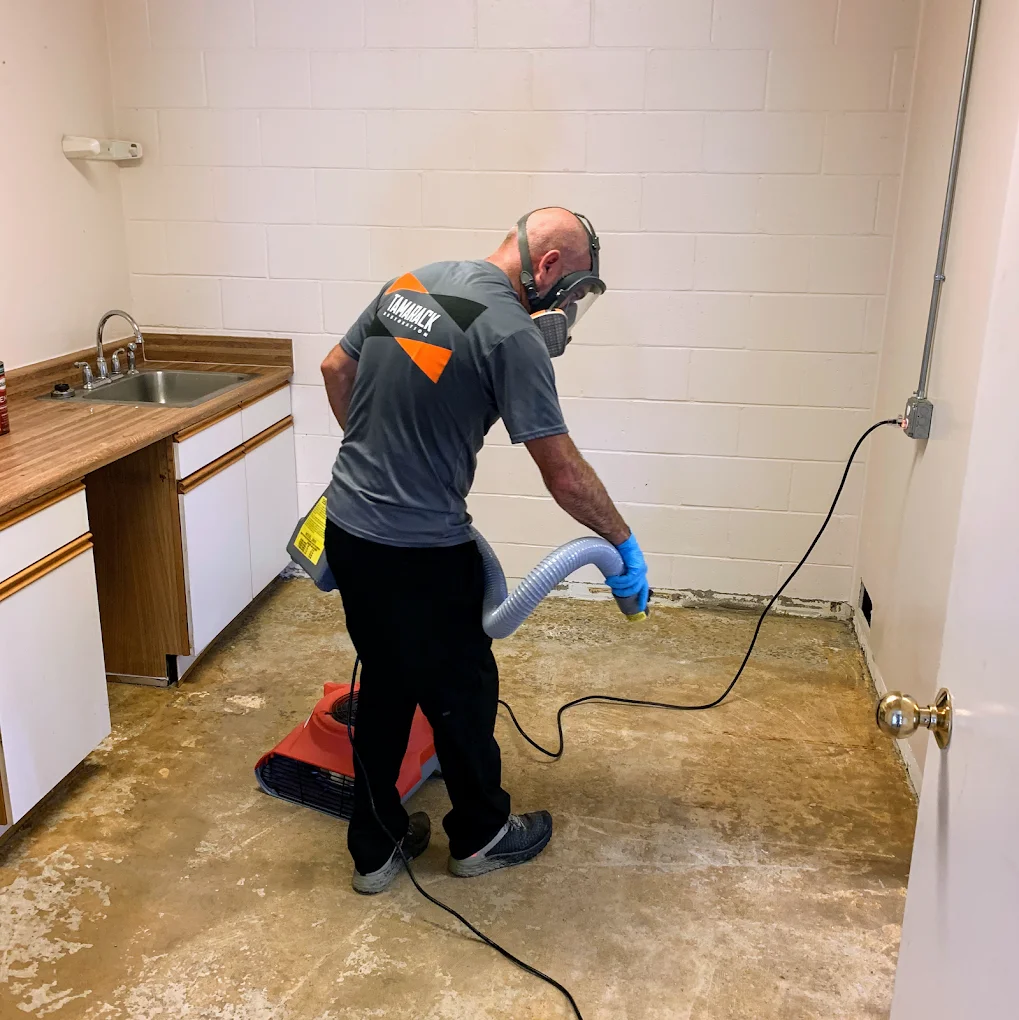
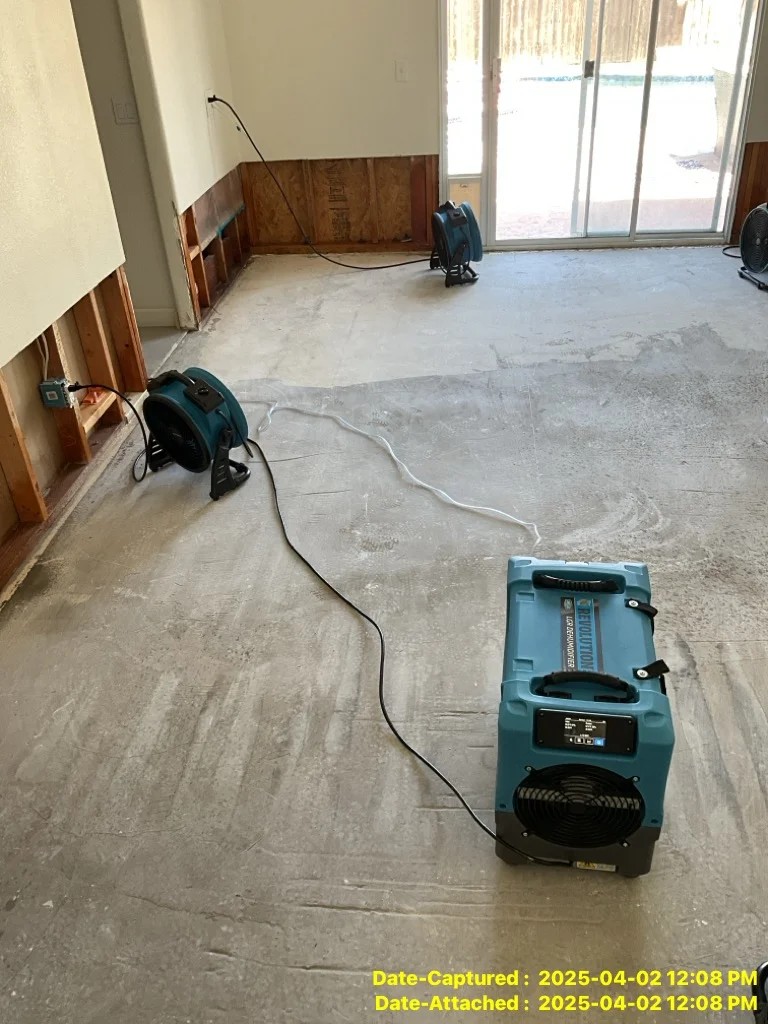
If you need professional help, restoration typically involves several steps: water extraction, drying, mold remediation (if present), and reconstruction of damaged materials. The timeline and cost depend on the extent of damage, but professional water damage restoration in San Marcos can often be completed within 2–4 weeks for moderate cases.
For an estimate of what restoration might cost in your situation, review how much does water damage restoration cost in san diego county. Costs vary based on the size of the affected area, materials involved, and whether mold remediation is needed.
If you suspect a leak but aren’t sure, professional water leak repair in San Marcos companies can use moisture detection equipment to pinpoint the source before damage spreads.
Don’t Wait—Act Now
Hidden water damage in San Marcos homes is common, but it doesn’t have to become catastrophic. By knowing where to look and acting quickly when you find signs of water intrusion, you can protect your home’s structure, your family’s health, and your finances.
If you’ve noticed any of the signs mentioned in this guide—soft drywall, musty odors, discoloration, or visible mold—don’t delay. Professional assessment and remediation now prevent far costlier problems later. Contact Us or call us at (760) 500-2211 to request a free estimate and get your San Marcos home inspected today.