When water invades your Oceanside home, you face a critical decision: do you need water damage restoration or flood cleanup? While these terms are sometimes used interchangeably, they describe different scenarios with distinct restoration approaches. Understanding the difference ensures you get the right service, the right equipment, and the right timeline for your specific situation.
Water Damage vs. Flood Cleanup: The Core Difference
The distinction hinges on the water’s origin and the scope of contamination.
Water damage stems from internal sources: a burst pipe under your bathroom sink, a leaking water heater, an overflowing toilet, or a roof leak during Oceanside’s rare heavy rains. The water is typically clean (category 1) or lightly contaminated (category 2), and the affected area is usually localized—a single room, a wall cavity, or a basement corner. Restoration focuses on extracting water, drying materials, and preventing mold.
Flood cleanup addresses large-scale water intrusion from external sources: storm surge from Pacific storms, heavy rainfall overwhelming drainage systems, a swollen creek, or a failed municipal water main. Floodwater is often contaminated with soil, sewage, chemicals, or saltwater (category 3), and the damage spans multiple rooms or the entire home. Cleanup requires hazmat protocols, specialized equipment, and often structural assessment.
For Oceanside homeowners, both risks are real. Your proximity to the coast and seasonal storm activity create flood vulnerability, while aging plumbing and coastal humidity increase water damage incidents year-round.
When You Need Water Damage Restoration
Water Damage Restoration Oceanside services address sudden water intrusion from household systems or weather events affecting a limited area. Common scenarios include:
- Burst or frozen pipes in walls, crawlspaces, or attics
- Appliance failures (washing machine hoses, dishwasher leaks, water heater ruptures)
- Roof leaks during storms or from aging materials
- Toilet overflows or plumbing backups
- Condensation damage in attics or crawlspaces (common in Oceanside’s marine layer climate)
Water damage restoration typically involves:
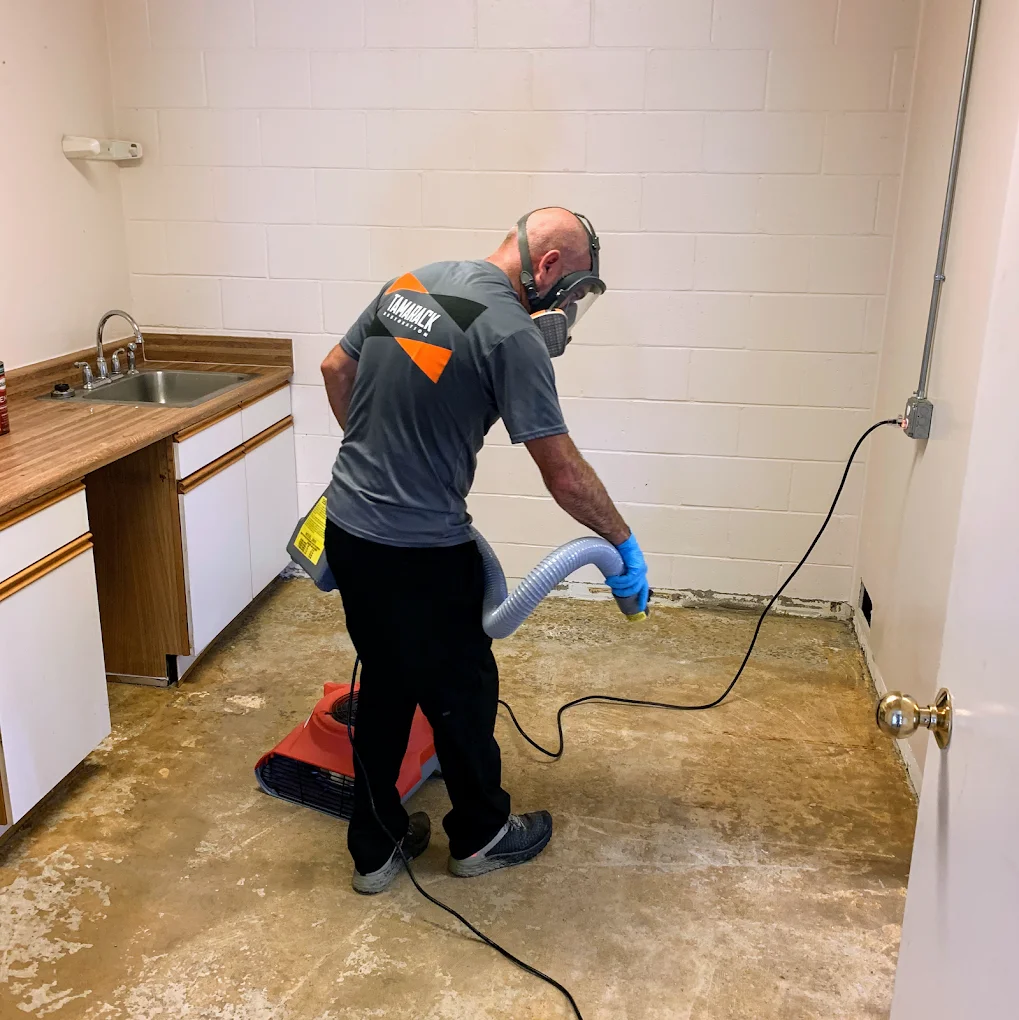
- Water extraction using submersible pumps and wet vacuums
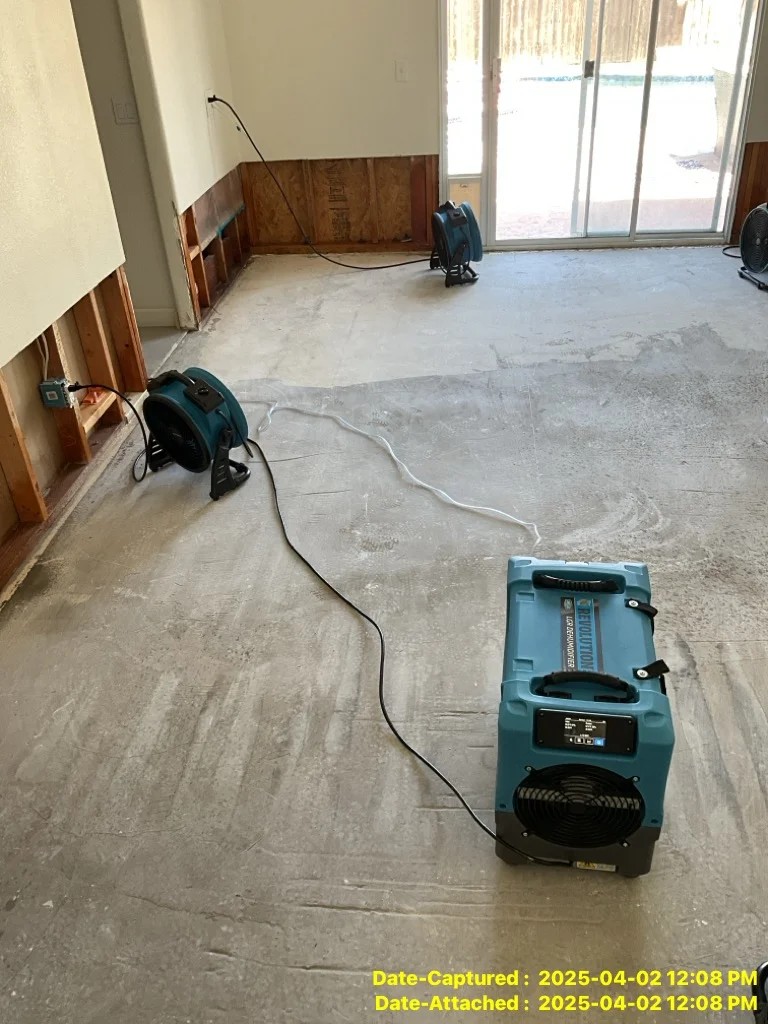
- Structural drying with dehumidifiers and air movers
- Material assessment to determine what can be salvaged
- Mold prevention through antimicrobial treatments
- Restoration of affected drywall, flooring, insulation, and finishes
The process usually takes 3–7 days for small incidents, though larger jobs may extend longer. If you’ve experienced a pipe burst or appliance failure, water damage restoration is your service.
When You Need Flood Cleanup
Flood Cleanup Oceanside services handle large-scale water intrusion, typically involving contaminated water and extensive structural exposure. Scenarios include:
- Storm surge or coastal flooding from hurricanes or nor’easters
- Heavy rainfall overwhelming storm drains and causing street flooding into homes
- River or creek overflow near low-lying Oceanside neighborhoods
- Municipal water main breaks affecting multiple homes
- Sewage backup during flooding events
- Saltwater intrusion in coastal properties
Flood cleanup involves:
- Hazmat assessment to identify water contamination levels
- Large-scale water extraction using industrial-grade equipment
- Structural evaluation for safety and integrity
- Contaminated material removal (drywall, insulation, flooring often cannot be salvaged)
- Deep cleaning and disinfection of all affected surfaces
- Mold remediation protocols specific to flood scenarios
- Documentation for insurance claims and public disaster assistance
Flood cleanup is more invasive, time-intensive (often 2–4 weeks or longer), and costlier than water damage restoration. If your home experienced external flooding, this is the appropriate service.
Oceanside-Specific Considerations
Your location amplifies both risks. Oceanside sits in San Diego County’s flood-prone zone, with neighborhoods near the Carlsbad Village Drive corridor, the San Luis Rey River basin, and coastal low-lying areas facing seasonal storm surge and drainage challenges. The marine layer and coastal humidity also accelerate mold growth after any water event—whether a small leak or major flood.
Additionally, Oceanside’s aging residential stock means older plumbing, roofing, and foundations are more susceptible to water damage. If you’re in a pre-1980s home, water damage from internal sources is statistically more likely than in newer construction.
Key Operational Differences
Response time: Water damage restoration typically begins within 24 hours. Flood cleanup may require longer initial assessment and hazmat coordination, especially if contamination testing is needed.
Equipment: Water damage uses standard extractors, dehumidifiers, and air movers. Flood cleanup deploys industrial-grade pumps, commercial dehumidifiers, negative air machines, and specialized containment systems.
Crew size: A water damage job might involve 2–4 technicians. Flood cleanup often requires 6–10+ personnel working in shifts.
Duration: Water damage restoration completes in days. Flood cleanup spans weeks.
Cost: Water damage restoration typically costs $2,000–$10,000 for residential incidents. Flood cleanup ranges from $10,000–$50,000+ depending on square footage and contamination severity.
Insurance: Standard homeowner’s policies often cover water damage from internal sources. Flood damage requires separate flood insurance (NFIP or private), though we work with your insurance company to document and support your claim.
How to Know Which Service You Need
Ask yourself:
- Did the water come from inside or outside your home? (Internal = water damage restoration; external = flood cleanup)
- Is the affected area one room or multiple rooms/the entire home? (Localized = water damage; widespread = flood cleanup)
- Is the water clean or visibly contaminated with mud, sewage, or debris? (Clean = water damage; contaminated = flood cleanup)
- Did the incident happen during heavy rain or a storm? (Yes = likely flood cleanup; no = likely water damage)
If you’re uncertain, call immediately. A certified technician can assess the situation in your first conversation and recommend the appropriate service.
Why Timing Matters in Oceanside
Oceanside’s coastal climate—high humidity, salt air, and marine layer—creates ideal conditions for mold growth within 24–48 hours of water exposure. Whether you need water damage restoration in Oceanside or flood cleanup, delay increases mold risk, structural damage, and restoration costs exponentially.
For perspective, read our detailed guide on north county water damage vs flood cleanup which service to see how these distinctions play out across similar coastal communities.
Our Recommendation: Know Your Service—Act Fast
If your water damage is localized and internal (burst pipe, appliance leak, roof drip), water damage restoration is your answer. It’s faster, less invasive, and typically covered by standard insurance. Our team can extract water, dry your home, and prevent mold within days.
If your home experienced external flooding, storm surge, or contaminated water intrusion, flood cleanup is essential. Attempting water damage restoration protocols on flood-damaged homes risks incomplete contamination removal and mold recurrence. Flood cleanup ensures proper hazmat handling, structural assessment, and comprehensive remediation.
The bottom line: Both services are critical—but applying the wrong one to your situation delays recovery and increases costs. Oceanside homeowners should understand which applies to their incident and call a certified restoration company immediately.
Our team at Tamarack Restoration has handled both water damage restoration and flood cleanup across Oceanside and North County San Diego for over a decade. We’ll assess your situation, identify the right service, coordinate with your insurance, and get your home restored. Request a Free Estimate or call us at (760) 500-2211 to get started today.