A water leak in your Vista home is stressful enough without the added threat of mold. The good news: mold is preventable if you act decisively in the first 24-48 hours after a leak. This is your critical window. Miss it, and you’re facing expensive remediation, potential health risks, and structural damage. This guide walks Vista homeowners through the exact steps to take immediately after a leak, with local logistics and practical timelines.
Why the 24-48 Hour Window Matters in Vista
Mold spores are everywhere—in the air, on surfaces, in soil. They’re dormant until moisture gives them a reason to wake up. Once water saturates drywall, carpet, insulation, or subflooring, mold colonies can establish themselves within 24-48 hours. In Vista’s warm climate—with average summer temperatures in the mid-80s and occasional humidity spikes—that window closes fast.
The reason timing is critical: mold feeds on organic material (wood, drywall, carpet) and moisture. Remove the moisture before 48 hours pass, and you starve the mold before it takes hold. Wait longer, and you’re dealing with visible growth, air quality issues, and the need for professional mold removal in Encinitas or mold after water damage timeline risk safe remediation.
Step 1: Stop the Water Source (First 30 Minutes)
Before you dry anything, stop the leak.
- If it’s a burst pipe: Shut off the main water supply. Your Vista home’s main valve is typically located near the street-facing side of your house, often in a concrete box or near the foundation. If you can’t locate it, call a plumber immediately—every minute counts.
- If it’s a roof leak: Move valuables away from the affected area and place buckets to catch dripping water. If the leak is active and severe, call an emergency restoration service right away.
- If it’s a toilet overflow or appliance leak: Turn off the water supply to that specific fixture if possible (look for a shutoff valve behind the toilet or under the sink). If you can’t find it, shut off the main.
For Vista residents, the local water utility is Valley Center Municipal Water Company (if you’re in that district) or San Diego County Water Authority. Emergency shutoff support is your responsibility, but a professional water leak repair Vista contractor can handle this as part of their initial response.
Step 2: Document and Remove Standing Water (First 2 Hours)
Take photos and video of all damage for insurance purposes. Then remove standing water.
- Shallow water (less than 1 inch): Use a wet/dry vacuum or mop and towels. Work systematically from one corner to another.
- Deep water (more than 1 inch): Call a professional water extraction service. Attempting this yourself risks spreading contaminated water and missing water trapped under flooring or in wall cavities.
Vista’s proximity to I-15 and the surrounding commercial areas means some leaks involve category 2 or 3 water (gray or black water from sewage, appliances, or contaminated sources). If you suspect anything other than clean water from a burst pipe or roof leak, do not touch it. Call professionals immediately. A vista flooded bathroom category 2 3 water loss situation requires trained technicians with proper PPE and disposal protocols.
Step 3: Dry Aggressively Within 24 Hours
This is where most Vista homeowners fall short. Opening a window and hoping for the best doesn’t work. You need active, mechanical drying.
Equipment to deploy:
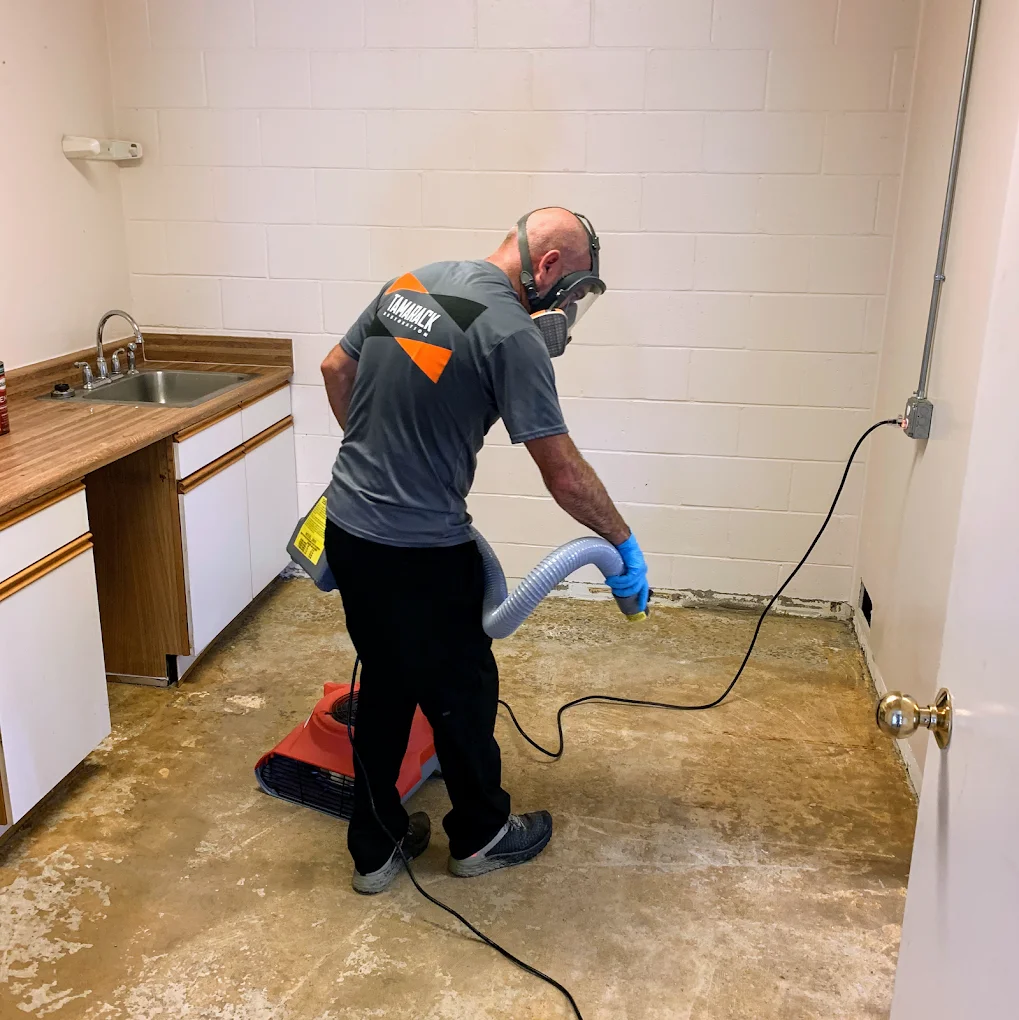
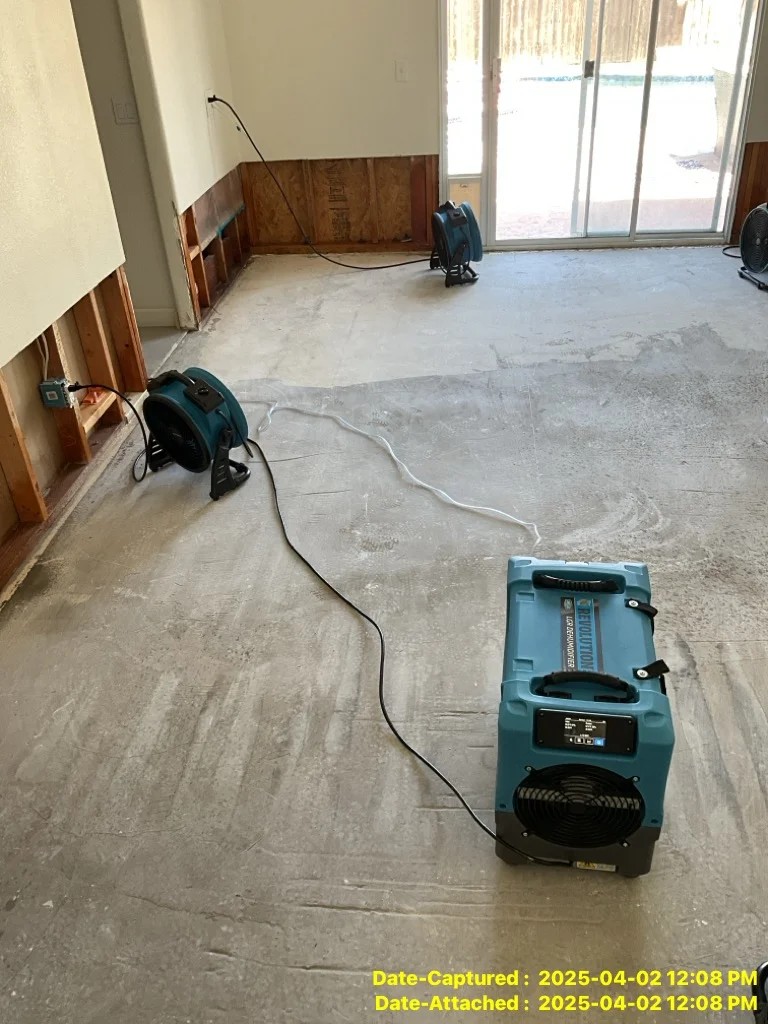
- Dehumidifiers: Rent or purchase commercial-grade dehumidifiers (capacity 100+ pints per day). Place one in the affected room and one in adjacent spaces. Set to run continuously.
- Air movers (fans): Position 2-3 high-velocity fans to push air across wet surfaces and toward open windows or doors. Do not point fans directly at wet drywall for extended periods—this can push moisture deeper into wall cavities.
- HVAC system: Run your air conditioning or heating system continuously to circulate air. Set the thermostat to cool (even if it’s warm outside) to promote evaporation.
- Windows and doors: Open them if outdoor humidity is below 60% and temperature is moderate. Vista’s summer humidity can exceed 70%, so check a weather app before opening. If humidity outside is high, keep windows closed and rely on mechanical drying.
Humidity targets:
- Hour 0-12: Bring humidity from 80%+ down to 70%.
- Hour 12-24: Continue to 60%.
- Hour 24-48: Reach below 50%.
Use an inexpensive humidity meter (available at any hardware store) to track progress. Place it in the center of the affected room, away from direct airflow.
Step 4: Remove Saturated Materials (Hours 24-48)
By hour 24, you’ll know which materials are salvageable and which aren’t.
Materials that dry well if caught early:
- Hardwood flooring (if water is clean and drying is aggressive)
- Concrete subfloors
- Tile and grout
- Solid wood furniture (if dried within 24 hours)
Materials that should be removed:
- Carpet and carpet padding (nearly impossible to fully dry; mold risk is high)
- Drywall (if saturated above 2 feet or if water is category 2 or 3)
- Insulation (absorbs and retains moisture; removes easily and is inexpensive to replace)
- Particleboard, MDF, or plywood (swells, warps, and molds easily)
In Vista, many homes built in the 1980s-2000s have original carpet. If your leak affected carpet, remove it and the padding. This is your single best mold prevention move. Drywall removal is more involved—if water reached higher than 2 feet, or if you’re unsure about water category, hire a professional. Improper removal can spread mold spores throughout your home.
Step 5: Monitor Humidity and Air Quality (Days 3-7)
Even after visible water is gone, moisture can linger in wall cavities, subflooring, and HVAC ducts.
- Continue mechanical drying for at least 3-5 days. Dehumidifiers and fans should run continuously.
- Check humidity daily. If it creeps back above 60%, increase dehumidifier capacity or add another unit.
- Inspect for visible mold daily. Look for black, green, or white spots on drywall, wood, or insulation. If you see growth, call a professional immediately.
- Ventilate HVAC ducts. If water entered your furnace or air handler, have ducts inspected and cleaned by an HVAC professional before running the system normally.
Vista’s warm weather accelerates evaporation, which is an advantage. However, if your leak occurred during cooler months (November–March), drying takes longer. Plan for 7-14 days of active drying in winter.
Step 6: Know When to Call Professionals
DIY drying works for small, clean-water leaks caught immediately. Call a professional if:
- Water volume is large (more than 100 gallons or covering more than 10% of your home’s square footage).
- Water is category 2 or 3 (gray water from appliances, sewage backup, or contaminated sources).
- The leak involves HVAC, electrical, or structural systems.
- You cannot reach 50% humidity within 48 hours despite running dehumidifiers and fans.
- You see visible mold growth at any point.
- Drywall or flooring is saturated and you’re unsure about removal.
A professional water damage restoration in Carlsbad or Vista service can deploy industrial-grade extraction, drying, and monitoring equipment. They’ll also work with your insurance company to document the loss and ensure proper remediation. If you’re in Vista and face a significant leak, calling within the first 2 hours of discovery gives professionals time to arrive and begin extraction before mold risk escalates.
Vista-Specific Considerations
Vista’s location in North County San Diego means you’re served by several water utilities and emergency services. If you need professional help:
- Tamarack Restoration serves Vista with 60-minute emergency response times, IICRC certification, and direct insurance coordination.
- Local hardware stores (Home Depot on Escondido Boulevard, Ace Hardware on Vista Village Drive) stock dehumidifiers, fans, and moisture meters.
- HVAC contractors in the Vista area can inspect and clean ducts post-leak; this is especially important if water entered your furnace.
The Cost of Prevention vs. Remediation
Preventing mold after a water leak costs time and equipment rental—typically $500–$2,000 for dehumidifiers, fans, and labor if you handle it yourself. Professional drying services run $1,500–$4,000 depending on affected area and water category.
Mold remediation, by contrast, can cost $5,000–$20,000+ if growth spreads to walls, HVAC systems, or crawl spaces. Insurance may cover water damage restoration, but mold coverage is often limited or excluded. Prevention is always cheaper than remediation.
For specifics on water leak repair cost carlsbad 2026 pricing guide and what to expect, review your homeowner’s policy and get quotes from local contractors before an emergency strikes.
Summary: Your 48-Hour Action Checklist
- Hour 0: Stop the water source.
- Hour 0–2: Document damage and remove standing water.
- Hour 2–24: Deploy dehumidifiers, fans, and HVAC. Bring humidity to 60%.
- Hour 24–48: Continue drying to below 50% humidity. Remove saturated materials.
- Days 3–7: Monitor humidity and inspect for mold daily.
- Ongoing: Keep humidity below 50% and ensure proper ventilation.
If at any point you’re unsure, call a professional. Vista homeowners have access to rapid-response restoration services that understand the local climate and can prevent mold before it starts.
Don’t let a water leak become a mold problem. Act within 24-48 hours, stay aggressive with drying, and you’ll protect your home and your family. If you need professional guidance or emergency water extraction, Contact Us or call (760) 500-2211 to Request a Free Estimate.
Related
- mold after water damage timeline risk safe remediation
- Water Leak Repair Vista
- oceanside ceiling leak steps before mold starts
Ready to get started? Get in touch and we’ll help you from there.