Black mold is one of the most stressful discoveries a homeowner can make. If you’ve spotted dark, slimy growth in your bathroom, basement, or around a water-damaged area, you’re right to take it seriously. This guide walks you through identifying black mold, assessing the scope of the problem, and finding the right professional help in Carlsbad, Oceanside, and surrounding North County communities.
Step 1: Identify the Mold and Assess the Risk
The first step is confirming what you’re looking at. Black mold typically appears as dark greenish-black or black spots, often with a slimy or powdery texture. It grows on porous surfaces like drywall, wood, insulation, and carpet—especially in damp areas.
However, don’t assume all dark mold is black mold. Many common household molds are also dark-colored. Visual inspection alone cannot definitively identify Stachybotrys chartarum (true black mold). If you suspect black mold, professional testing is the only reliable way to confirm.
That said, the species matters less than the size and location:
- Under 10 square feet in a non-HVAC area (like a small bathroom corner) may be manageable with careful cleaning.
- Over 10 square feet, in crawlspaces, attics, ductwork, or affecting structural materials requires professional remediation.
- Any mold in HVAC systems must be handled by professionals to prevent spore spread throughout your home.
Step 2: Locate the Moisture Source
Mold cannot grow without moisture. Before you address the mold itself, you must find and stop the water intrusion. Common sources include:
- Roof leaks (especially after heavy rain or coastal storms common in Oceanside and Carlsbad)
- Plumbing failures (burst pipes, slow leaks under sinks, toilet base leaks)
- Poor drainage around the foundation or inadequate gutter systems
- High indoor humidity from inadequate bathroom or kitchen ventilation
- Flood damage or water intrusion from storms
Walk through your home and look for water stains, soft drywall, discoloration, or musty odors. Check under sinks, around the water heater, in basements or crawlspaces, and in attics after rain. If the moisture source isn’t fixed, the mold will return—even after removal.
Step 3: Document the Extent of the Problem
Take photos and measurements of affected areas. Note:
- The size of the mold-affected area (width × length)
- Whether it’s on one surface or multiple surfaces
- The room(s) affected
- Any visible water damage, soft spots, or structural concerns
- Whether anyone in the household has experienced new respiratory issues or allergies
This documentation helps when you contact a professional and is valuable for insurance claims if the mold resulted from a covered water damage event.
Step 4: Decide Between DIY Cleaning and Professional Removal
When DIY cleaning might work:
For small, isolated spots (under 10 sq ft) on non-porous surfaces like tile or sealed concrete in a well-ventilated bathroom, you can attempt cleaning with proper precautions:
- Wear an N95 respirator, gloves, and eye protection.
- Ventilate the area well (open windows, use fans).
- Use a solution of 1 part bleach to 10 parts water, or a commercial mold cleaner.
- Scrub the surface and allow it to dry completely.
- Address the moisture source immediately.
When to hire professionals:
You should absolutely call a certified restoration company if:
- The affected area exceeds 10 square feet
- Mold is in crawlspaces, attics, or inside walls
- Mold is in your HVAC system or ductwork
- You have respiratory issues, asthma, or a compromised immune system
- The mold is on porous materials like drywall, insulation, or wood framing
- You’re uncertain about the moisture source
- Previous cleaning attempts haven’t worked
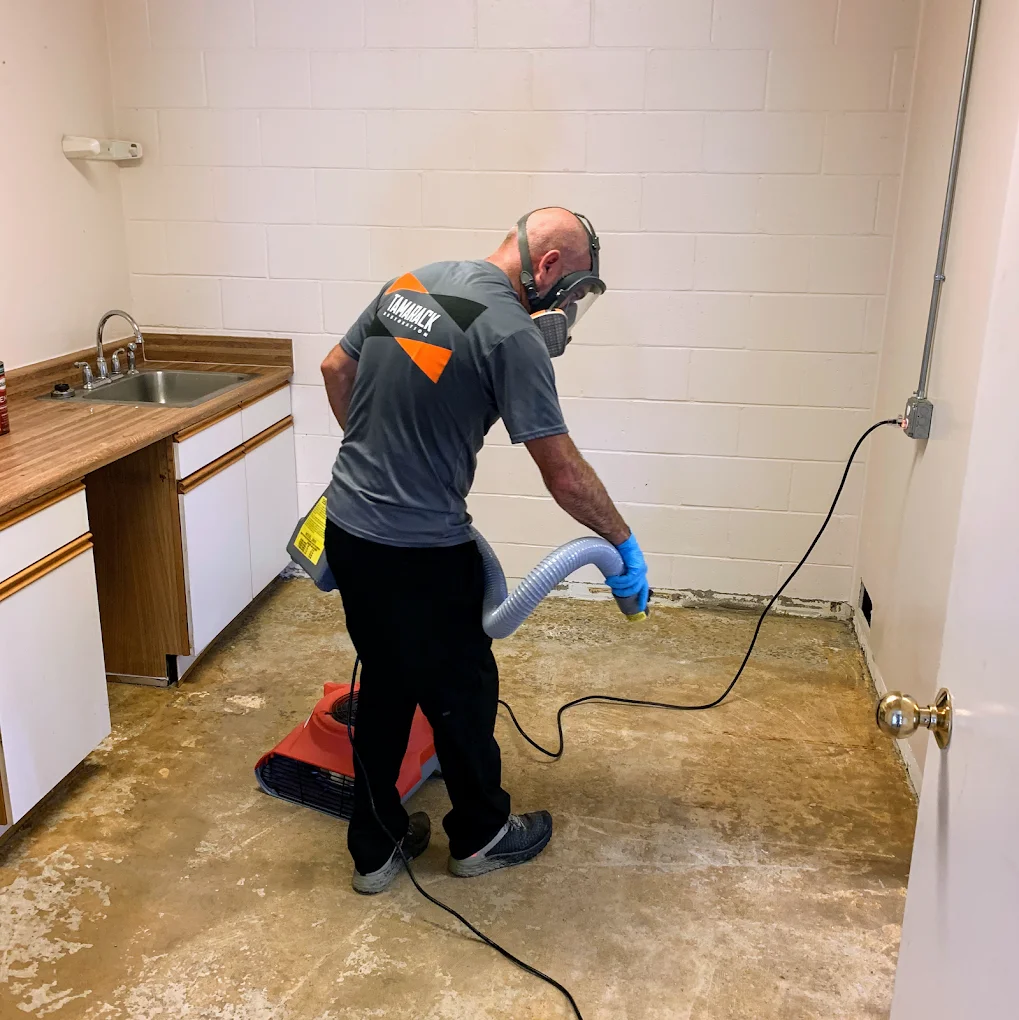
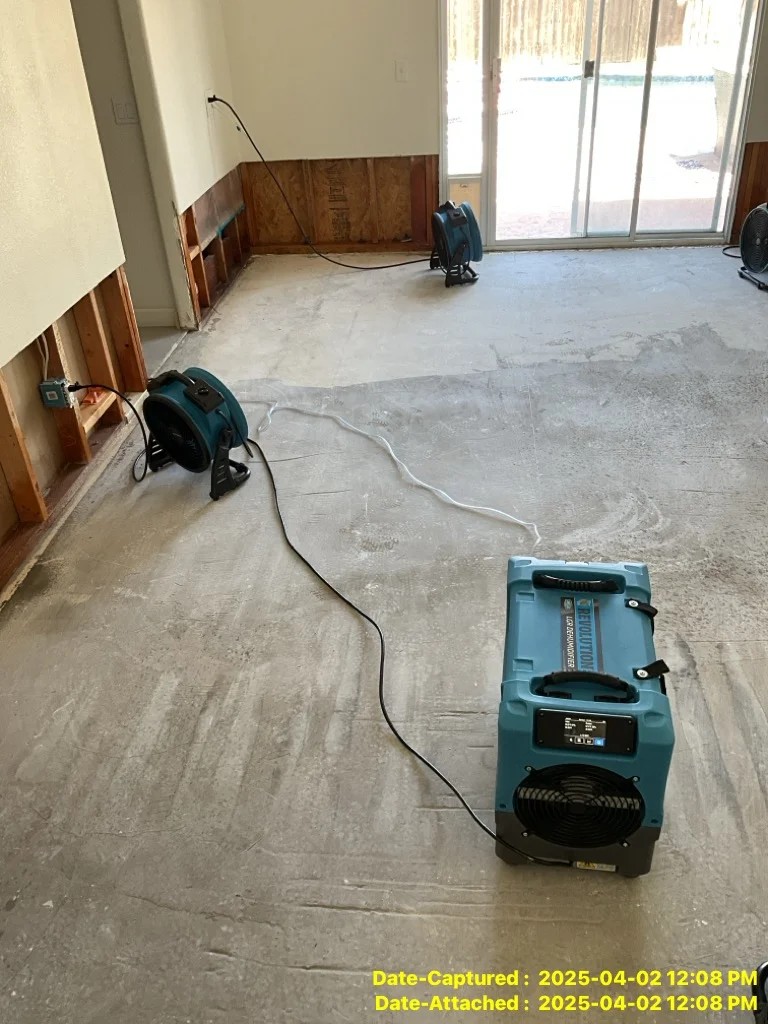
Professional teams use containment barriers, HEPA-filtered air scrubbers, and proper disposal methods to prevent spore spread and ensure thorough removal.
Step 5: Choose a Certified Mold Removal Company
When searching for “black mold removal near me,” look for these credentials:
- IICRC Certification (Institute of Inspection, Cleaning and Restoration Certification)
- State licensing and bonding
- Insurance (general liability and workers’ compensation)
- Local references and verifiable reviews
- Written estimates with clear scope and pricing
In the Carlsbad and Oceanside areas, several reputable companies specialize in mold remediation. Comparing your options helps ensure you get quality work at a fair price. If you’re in Oceanside, Encinitas, or surrounding communities, look for companies with local experience and fast response times—coastal humidity makes mold a common issue here.
When evaluating companies, ask:
- Do you provide a detailed inspection before quoting?
- What containment and air filtration methods do you use?
- Will you identify and address the moisture source?
- Do you provide a warranty on the work?
- Can you work with my insurance company?
Step 6: Understand the Remediation Process
A professional mold removal typically includes:
- Inspection and testing to confirm mold species and extent
- Moisture source identification and correction plan
- Containment of the affected area to prevent spore spread
- HEPA air filtration during removal
- Removal and disposal of affected materials
- Cleaning and treatment of surrounding surfaces
- Post-remediation verification (sometimes with air quality testing)
The timeline depends on the scope. Small jobs may take one day; larger infestations can take several days or weeks.
Step 7: Address the Underlying Moisture Problem
Removing mold without fixing the moisture source is like treating a symptom without curing the disease. Work with your restoration company or a qualified contractor to:
- Repair roof leaks or flashing issues
- Fix plumbing leaks
- Improve drainage around the foundation
- Install or upgrade bathroom and kitchen exhaust ventilation
- Consider a dehumidifier if indoor humidity consistently exceeds 60%
- Ensure crawlspaces and attics have proper ventilation
Step 8: Prevent Future Mold Growth
Once remediation is complete:
- Monitor humidity levels (aim for 30–50%)
- Use exhaust fans during and after showers
- Fix any new leaks immediately
- Keep gutters and downspouts clean
- Ensure proper grading around your foundation
- Inspect attics and crawlspaces seasonally
- Address any musty odors or water stains right away
Insurance and Cost Considerations
If the mold resulted from a covered water damage event (burst pipe, storm damage, etc.), your homeowner’s insurance may cover remediation. When you contact a restoration company, ask about their experience working with insurance. Many companies can help document the damage and communicate with your insurer, though coverage depends on your specific policy.
For prevention and long-term peace of mind, investing in mold removal now is far cheaper than dealing with structural damage, health issues, or a major remediation project later.
Finding Help in Your Area
Whether you’re in Carlsbad, Oceanside, Encinitas, or nearby communities, the key is acting quickly. Mold spreads, and the longer it grows, the more damage it causes. Look for a Mold Removal Carlsbad company with IICRC certification, local experience, and strong reviews. If you’re comparing options, reading about the top mold removal companies in Carlsbad, CA can help you understand what to expect.
Many homeowners also find it helpful to understand the difference between professional remediation and DIY approaches. The mold removal vs DIY Encinitas comparison guide breaks down when each approach makes sense.
If you’ve discovered black mold in your home and need expert guidance, don’t wait. A certified restoration company can inspect the damage, identify the moisture source, and provide a clear path to safe removal. Contact Us or call (760) 500-2211 to Request a Free Estimate and get your home back to healthy today.
Related
- mold removal vs diy encinitas comparison guide
- top 10 mold removal companies carlsbad ca
- top mold removal companies encinitas 2026 local guide
Ready to get started? Get in touch and we’ll help you from there.