Professional Water Leak Repair in North San Diego County
Expert leak detection and repair before major damage occurs.
Get Help Now
60-minute emergency response
Your information is secure and never shared
Why Water Leak Repair Requires Professional Attention
Hidden water leaks cause more damage than sudden floods because they go unnoticed for weeks or months. A small leak can waste thousands of gallons of water, rot structural members, and create perfect conditions for mold—all while you're unaware. By the time you notice, significant damage has already occurred.
We use advanced leak detection technology to find leaks without unnecessary demolition. Thermal imaging, acoustic listening devices, and moisture meters help us pinpoint leak locations precisely. Once found, we repair the leak and address any water damage that's already occurred.
Our Water Leak Repair Process
IICRC-certified approach to completely restore your property.
Leak Detection
Using thermal imaging and acoustic equipment, we locate the leak without tearing apart your home.
Access & Repair
We access the leak with minimal damage and make permanent repairs.
Damage Assessment
We evaluate any water damage caused by the leak.
Drying & Remediation
If needed, we dry affected areas and treat for mold prevention.
Restoration
We repair access points and restore affected areas.
Warning Signs
Watch for these signs that you may need water leak repair:
- Unexplained high water bills
- Sound of running water when nothing is on
- Warm spots on floor (slab leak)
- Mold or mildew growth
- Cracks in foundation
- Low water pressure
Common Causes
Water Leak Repair is often caused by:
- Corroded or aging pipes
- High water pressure
- Shifting foundation
- Temperature changes
- Poor installation
- Hard water damage
Why Choose Tamarack for Water Leak Repair?
Non-Invasive Detection
Advanced technology finds leaks without unnecessary holes in your walls.
Complete Solution
We fix the leak AND any water damage it caused—not just one or the other.
Prevent Future Damage
We identify potential problems and help you prevent future leaks.
When to Call for Water Leak Repair
Recognize these situations? Call Tamarack at (760) 500-2211 for immediate help.
Your Water Bill Spiked Unexpectedly
Your monthly water bill increased by 30 percent or more without any change in usage habits, which is one of the most reliable indicators of a hidden leak in a supply line, irrigation system, or toilet fill valve. A leak as small as a pinhole in a copper supply line can waste thousands of gallons per month and cause concealed damage inside walls or under your slab. Call us for a leak detection survey before the damage compounds.
You Hear Running Water With Nothing Turned On
A faint hissing or running sound behind a wall, under a floor, or near the water heater when every fixture in the house is off indicates a pressurized supply line leak. The sound may be intermittent if the leak only occurs when system pressure peaks. Do not ignore it, because a pressurized leak can discharge continuously and cause significant concealed damage in a short period.
There Is a Warm Spot on Your Floor
A noticeably warm or hot patch on a tile, hardwood, or concrete floor typically indicates a hot water supply line leak beneath the slab. Slab leaks in hot water lines are especially common in homes built before 1990 with copper piping, which corrodes over time from contact with the alkaline soils common in North San Diego County. The longer a slab leak runs, the more it erodes the soil beneath your foundation and the greater the risk of slab settlement or cracking.
Damp or Discolored Spots Are Appearing on Walls or Ceilings
Yellowish-brown stains, bubbling paint, or soft drywall on a wall or ceiling indicate that water has been migrating through a concealed cavity for days or weeks. The visible stain is typically smaller than the actual moisture footprint behind the wall, and mold colonization can begin within 48 to 72 hours of sustained dampness. Call us to locate the leak source with thermal imaging and moisture meters before opening the wall.
Your Water Meter Is Spinning When Nothing Is Running
Turn off every water-using fixture and appliance in your home, then check your water meter. If the flow indicator dial is still turning, you have a leak between the meter and your home or within your plumbing system. This is a definitive test and should prompt an immediate call for professional leak detection to pinpoint the location without unnecessary exploratory demolition.
You Notice Mold Growth Near a Plumbing Wall
Visible mold on or near a wall that contains plumbing supply or drain lines almost always indicates a slow, ongoing moisture source. Surface mold removal without fixing the underlying leak will result in regrowth within weeks. We locate the leak, stop the moisture source, remediate the mold, and repair the plumbing so the problem is resolved permanently rather than temporarily concealed.
Your Foundation Has Developed New Cracks
Fresh cracks in your slab, particularly near plumbing penetrations in bathrooms or kitchens, can indicate that a sub-slab leak has been eroding supporting soil and creating voids beneath the foundation. Foundation movement caused by slab leaks is a serious structural concern that worsens over time. Call us for leak detection and moisture assessment so the source can be identified and repaired before the structural damage escalates.
There Is Unexplained Pooling in Your Yard
Persistently wet or soggy areas in your lawn, especially along a line between your water meter and your home, suggest a leak in the main supply line. Underground supply line leaks can waste enormous volumes of water before they surface, and the saturated soil can undermine walkways, driveways, and foundation footings. We use acoustic listening equipment and tracer gas to locate underground leaks precisely so the repair can be made with minimal excavation.
A Fixture Shut-Off Valve Is Dripping
Angle stop valves beneath sinks and toilets corrode over time and develop slow drips that often go unnoticed inside vanity cabinets. By the time you see it, the cabinet floor, adjacent flooring, and potentially the subfloor may already be moisture-damaged. We repair or replace the valve, assess the extent of moisture penetration with meters, and dry or remediate the surrounding materials as needed.
Your Water Pressure Dropped Suddenly
A sudden loss of water pressure throughout your home can indicate a significant break in a supply line that is leaking into a wall cavity, crawl space, or under the slab. Check your main shut-off valve first to ensure it is fully open. If valve position is not the cause, call us immediately because a large-volume leak under full system pressure can cause rapid and extensive concealed damage.
What's Included in Our Water Leak Repair Service
Detailed breakdown of our professional process, equipment, and timeline.
Non-Invasive Electronic Leak Detection
Our technicians survey your entire plumbing system using a combination of electronic acoustic listening equipment, electromagnetic pipe locators, and thermal imaging cameras to identify the precise location of concealed leaks without cutting into walls or breaking concrete. Acoustic sensors amplify the sound of pressurized water escaping from pipes, and thermal cameras visualize temperature differentials caused by leaking water. In most cases we can pinpoint the leak location within inches, eliminating the need for exploratory demolition and saving you significant repair costs.
Equipment: Acoustic listening devices (ground microphones and contact sensors), electromagnetic pipe locators, FLIR thermal imaging cameras
Slab Leak Detection and Access
Slab leaks require specialized detection because the pipe is encased in or beneath four to six inches of concrete. We use acoustic amplification tuned to the frequency range of water escaping copper or CPVC pipe, combined with pressure isolation testing to determine which line is leaking. Once the leak is pinpointed, we core a precise access hole through the slab with a concrete coring drill rather than jackhammering a large area, minimizing disruption to your flooring and reducing repair costs.
Equipment: Acoustic leak correlators, static pressure test gauges, diamond-core concrete drills
Pressure Testing and Line Isolation
To determine whether the leak is on a supply line, drain line, or irrigation line, we perform systematic pressure isolation testing. Individual sections of your plumbing system are isolated and pressurized while we monitor gauges for pressure loss over a 15- to 30-minute period. This methodical approach identifies not only the leaking line but also reveals secondary leaks that may not yet be causing visible symptoms, allowing you to address all issues in a single repair visit.
Equipment: Calibrated pressure test gauges, isolation valves, nitrogen pressurization kit
Pipe Repair, Reroute, or Repipe Recommendations
Once the leak is located, we present repair options based on the pipe material, age, location, and condition of the overall system. A single pinhole in otherwise sound copper may warrant a spot repair, while multiple leaks in aging pipe or a slab leak in a corroded system may make a full or partial repipe more cost-effective in the long run. We provide a written comparison of repair versus repipe costs, expected lifespan of each option, and warranty terms so you can make an informed decision.
Moisture Mapping and Concealed Damage Assessment
Every leak detection includes a comprehensive moisture survey of the surrounding area using pin-type and pinless moisture meters and thermal imaging to map the full extent of moisture migration. We document moisture readings at grid points and identify all materials that have been affected, including those not visible without opening walls. This moisture map serves as the basis for any remediation scope and is included in your insurance claim documentation if the loss is covered.
Equipment: Tramex pinless moisture meters, Delmhorst pin-type meters, FLIR thermal cameras
Water Damage Remediation from Leak Source
If the leak has caused water damage to drywall, flooring, cabinets, or structural framing, we transition directly from detection into remediation without the delay of hiring a separate contractor. Affected materials are dried in place when possible or removed and replaced when moisture levels exceed salvage thresholds. Antimicrobial treatment is applied to any areas showing early signs of microbial growth. Combining detection and remediation under one scope streamlines both the timeline and your insurance claim.
Equipment: LGR dehumidifiers, air movers, antimicrobial solutions, moisture meters for verification
Post-Repair Verification and Warranty
After every leak repair, we re-pressurize the system and verify the repair holds under full operating pressure for a minimum of 30 minutes. We also re-scan the repair area with thermal imaging 24 hours later to confirm no residual moisture is present. All repairs include a written warranty, and we provide a summary report with before-and-after pressure test results that you can keep for your records or provide to a buyer during a future home sale.
Equipment: Calibrated pressure gauges, FLIR thermal cameras for post-repair verification
Why Our Water Leak Repair Stands Out
Recent Water Leak Repair Projects
Real before-and-after results from local homes. Hover to see the before photos.
Slab Leak Detection & Repair
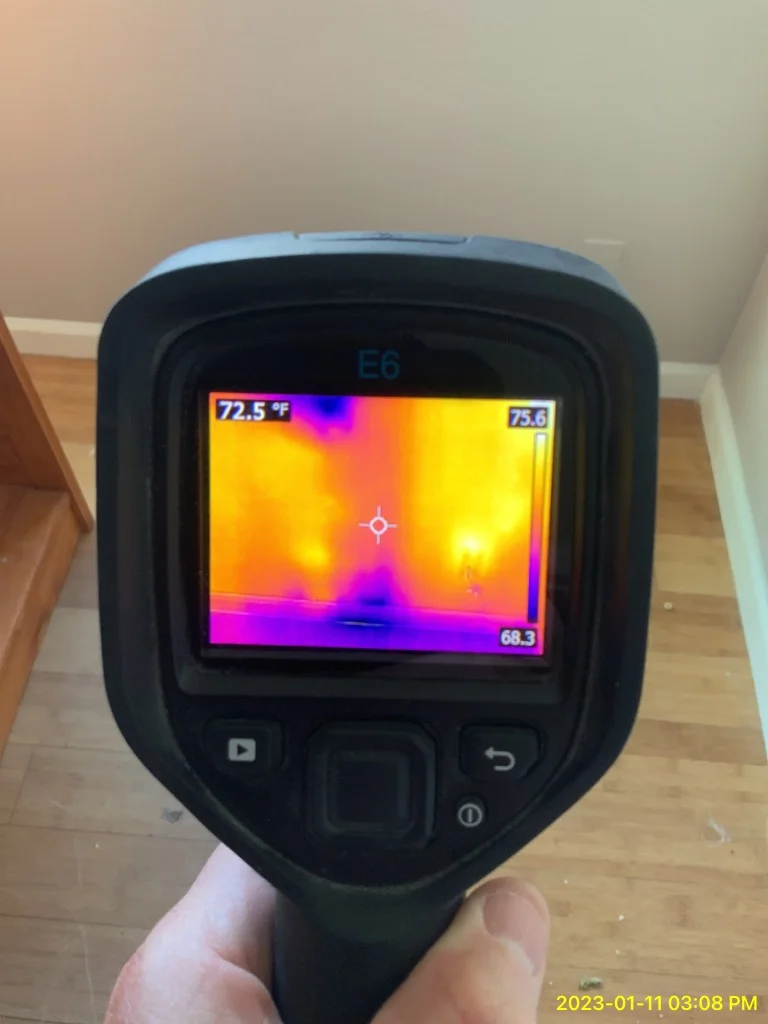
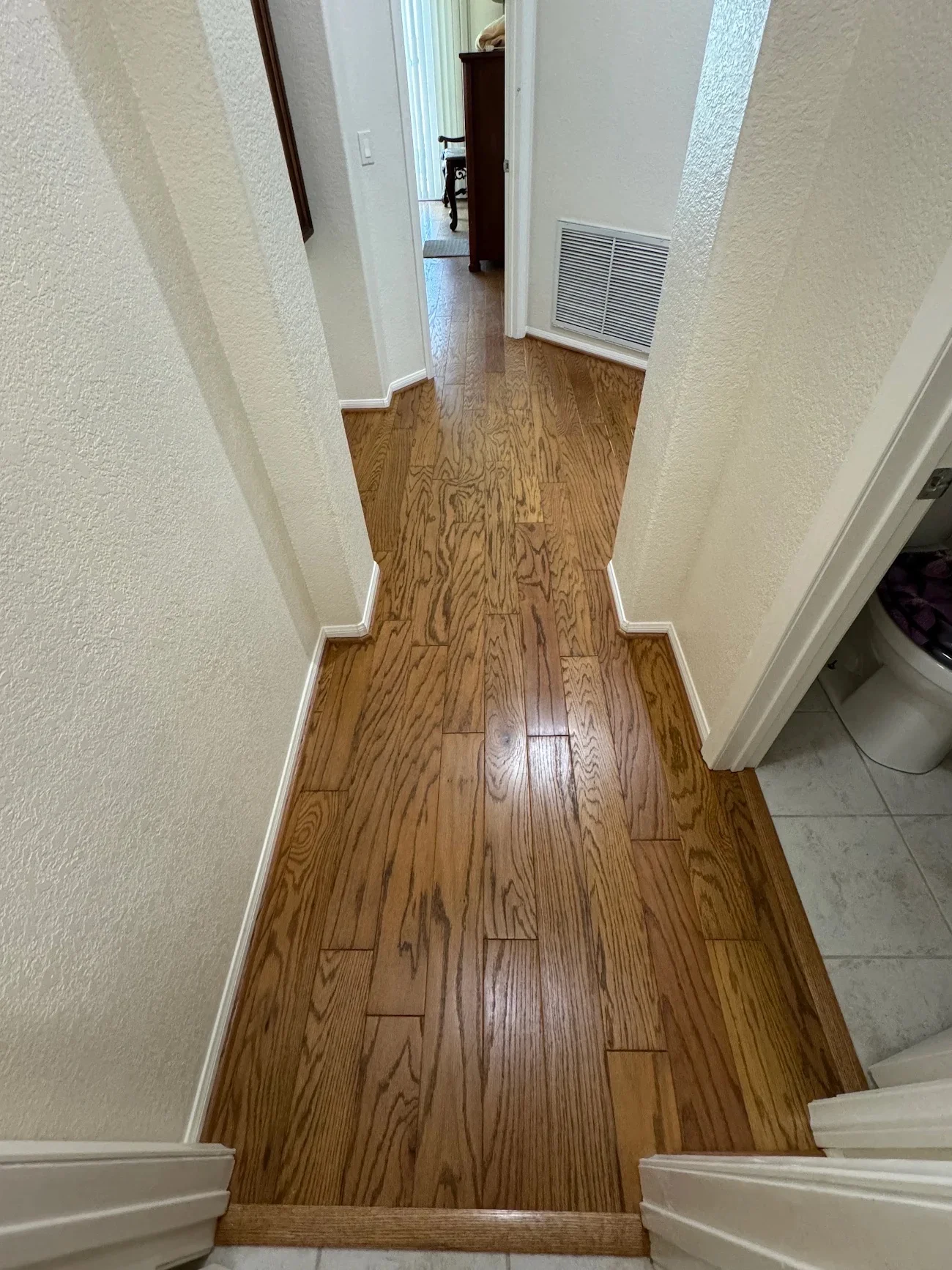
Thermal imaging revealed a hot-water slab leak beneath the master bedroom of this Calavera Hills home that had been running undetected for weeks. We pinpointed the exact location, coordinated the plumbing repair, dried the slab and surrounding materials, and restored the flooring.
Hidden Wall Leak & Mold Prevention
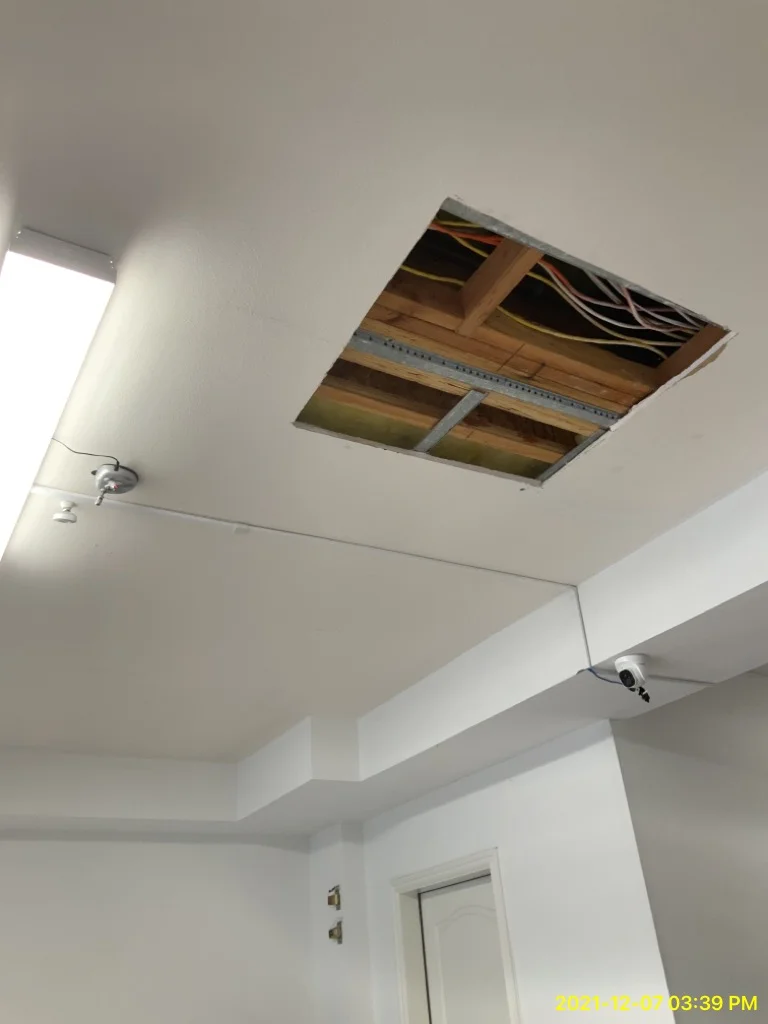
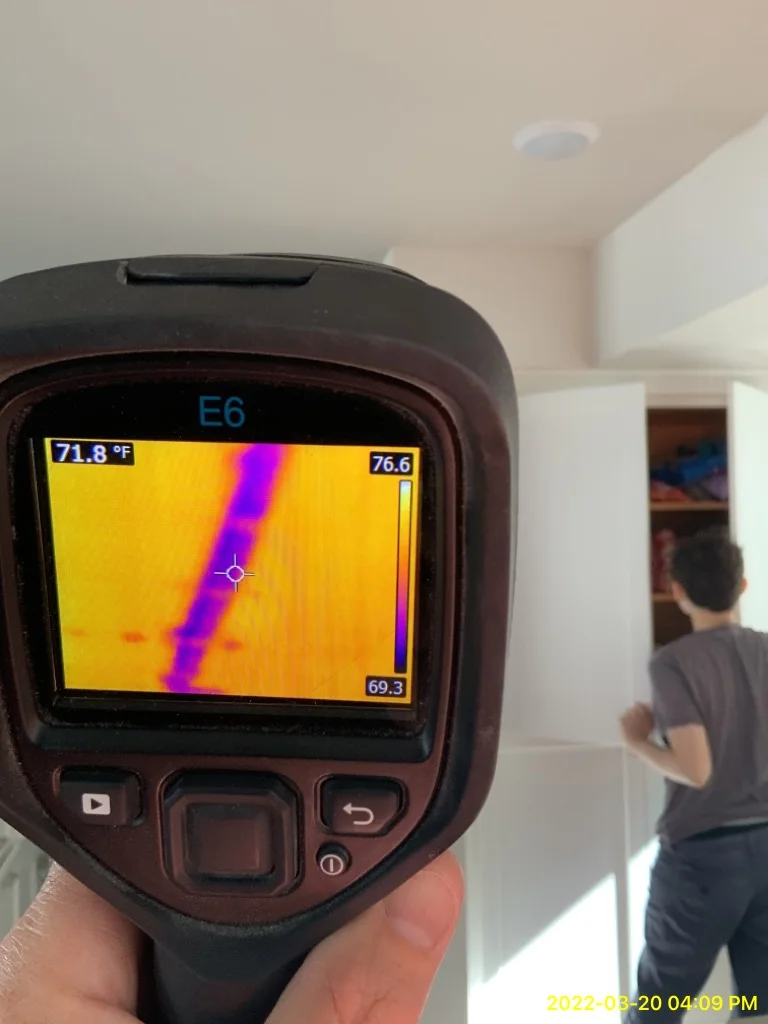
An acoustic detection assessment found a pinhole leak in a copper supply line inside the bathroom wall of this Eden Gardens home. We accessed the pipe with minimal demolition, repaired the leak, dried the wall cavity before mold could develop, and patched the drywall.
Leak Detection Technology, Slab Leaks, and the Repair vs. Repipe Decision
Modern leak detection has evolved far beyond the exploratory demolition that was common even 15 years ago. Today, a trained technician equipped with acoustic listening devices, thermal imaging cameras, electromagnetic pipe locators, and tracer gas systems can locate a concealed leak to within inches without cutting a single hole in your wall or floor. Acoustic detection works by amplifying the sound signature created when pressurized water escapes through a pipe failure. Different pipe materials, leak sizes, and soil conditions produce distinct acoustic profiles that an experienced technician can interpret to identify the precise failure point. Thermal imaging detects temperature variations caused by leaking water as it migrates through building materials, making it especially effective for hot water line leaks where the temperature contrast is significant. For complex cases involving multiple possible leak locations or non-pressurized drain lines, tracer gas (typically a hydrogen-nitrogen mixture) can be introduced into the pipe and detected at the surface using a gas-sensitive probe, even through concrete slabs.
Slab leaks deserve special attention because they are the most common and consequential type of concealed leak in North San Diego County homes. The region's housing stock includes tens of thousands of homes built between 1960 and 1990 with copper supply lines embedded directly in or beneath the concrete slab foundation. Over decades, the combination of slightly alkaline local soil chemistry, thermal expansion and contraction cycles, and the abrasive contact between copper pipe and concrete creates conditions for pinhole corrosion and joint failures. A slab leak can run undetected for weeks or months, eroding the soil beneath the foundation and creating voids that lead to slab settlement, cracking, and differential movement. The damage to the foundation itself often exceeds the cost of the plumbing repair, which is why early detection prompted by a high water bill or warm floor spot can prevent a $2,000 plumbing repair from becoming a $20,000 foundation issue.
The decision between repairing a single leak and repiping all or part of the system depends on several factors: the age and material of the existing pipe, the number of prior failures, the accessibility of the pipe, and the homeowner's plans for the property. A single leak in a 15-year-old copper system with no history of issues is usually best addressed with a spot repair. However, when a system has experienced two or more failures within a few years, statistical likelihood strongly favors additional failures in the near future because the same corrosion conditions that caused the first leak are present throughout the system. In these cases, a full repipe using modern PEX-A or PEX-B tubing routed through accessible paths like the attic or interior walls eliminates slab leak risk entirely and typically costs less than three or four individual slab leak repairs. We always present both options with transparent cost comparisons so homeowners can make the decision that best fits their budget and long-term plans for the property.
Water Leak Repair Throughout North San Diego County
We provide water leak repair services to homes and businesses across the region.
Trusted by Carlsbad Families
Don't just take our word for it. See what our customers have to say.
5 · 116 reviews on Google
"Tamarack responded within 30 minutes when our pipe burst at 2 AM. Their team was professional, efficient, and made a stressful situation much easier to handle. Robert and his crew are the best!"
"We had mold in our bathroom that we didn't even know about. Tamarack found it, removed it safely, and made sure it wouldn't come back. Great communication throughout the entire process."
"After a small kitchen fire, I was devastated. The Tamarack team not only restored my kitchen but helped me navigate the insurance process. They truly care about their customers."
Related Services
We provide comprehensive restoration for all your needs.
Water Leak Repair FAQs
Common questions about water leak repair
Get Help Now
60-minute emergency response
Your information is secure and never shared