A flooded bathroom is one of the most commonly underestimated emergencies. Homeowners often assume all bathroom floods are “clean water,” but contamination risk can escalate quickly based on source type and dwell time.
Category Basics (Why This Matters)
- Category 1: low contamination source water.
- Category 2: significant contamination with increased exposure risk.
- Category 3: gross contamination, including sewage and black water.
The category determines cleanup method, safety controls, and material salvage decisions.
When a Bathroom Flood Becomes Category 2/3
Escalation happens when:
- Overflow involves waste lines or sewage pathways.
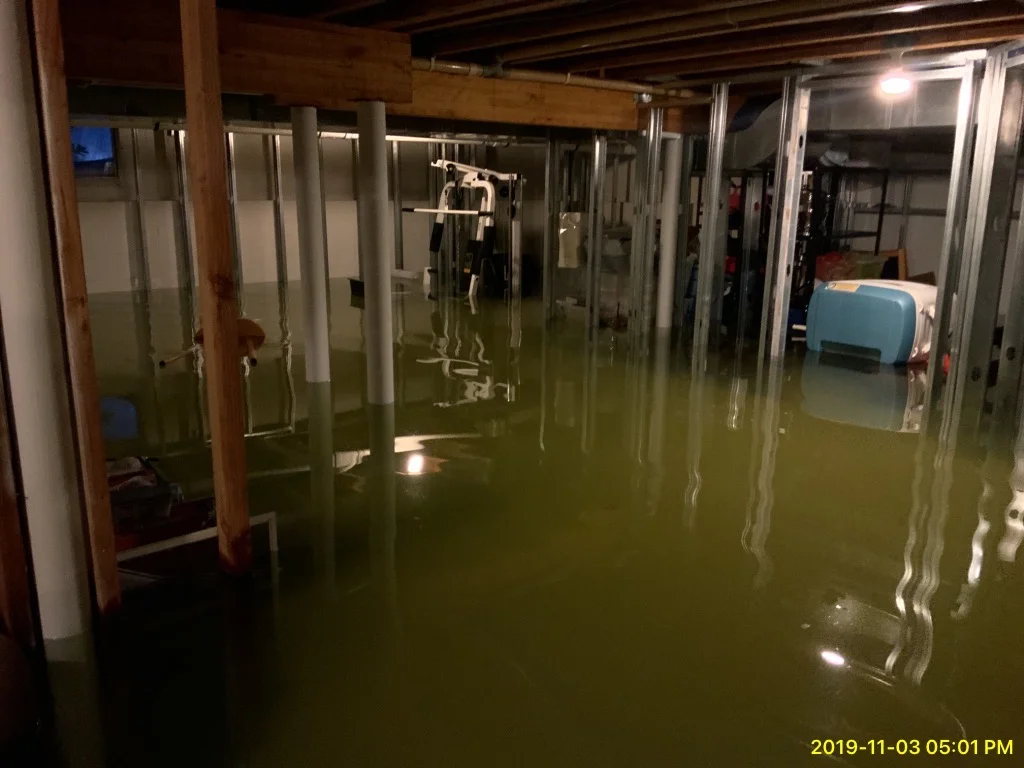
- Water sits long enough to collect contaminants.
- Porous materials absorb contaminated water.
- Visible soiling or strong odor indicates non-clean conditions.
If these conditions are present, start with Sewage Cleanup.
Immediate Safety Priorities
- Restrict access to prevent cross-contamination.
- Avoid spreading water with mops across clean areas.
- Protect occupants with respiratory or health vulnerabilities.
- Stop source flow if it is safe.
Professional Cleanup Sequence (Best Practice)
- Site safety and category assessment.
- Controlled extraction and isolation.
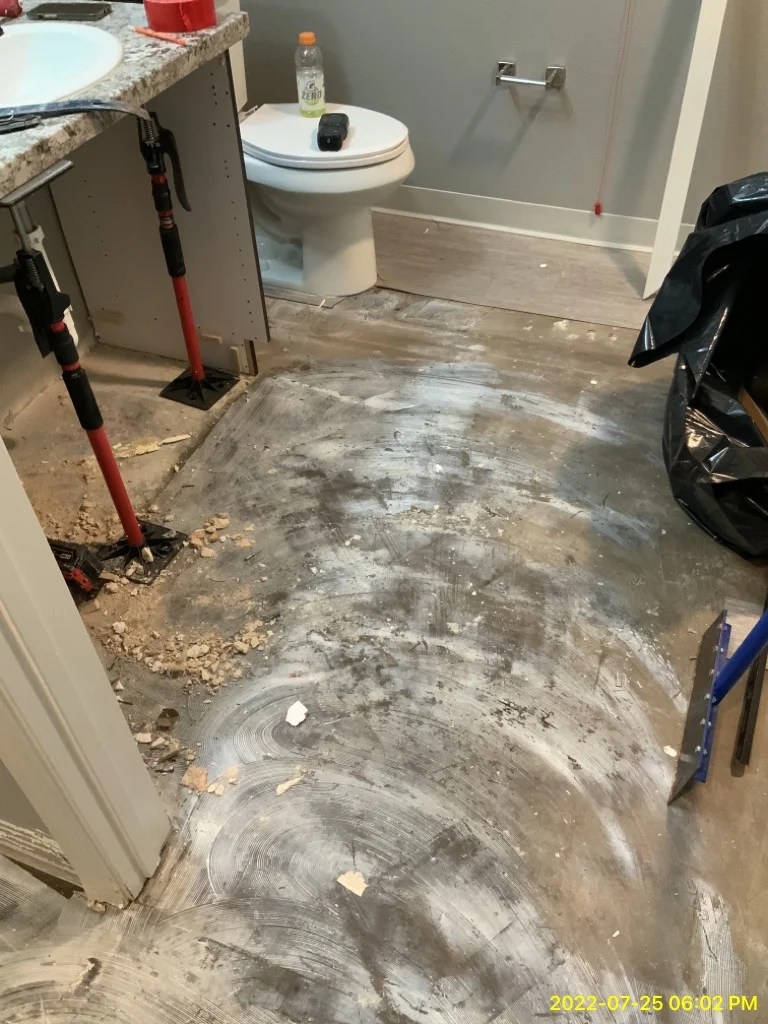
- Removal of unsalvageable porous materials.
- Cleaning/disinfection of salvageable surfaces.
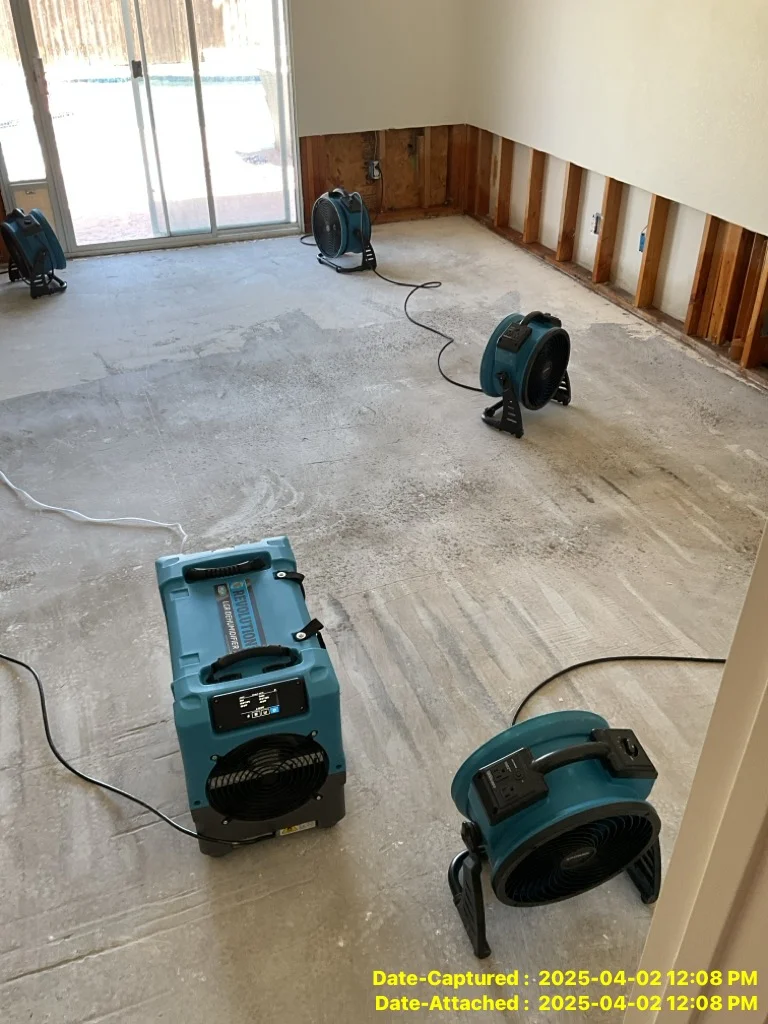
- Structural drying with moisture tracking.
- Verification before rebuild.
Supporting services:
Why DIY Can Create Bigger Problems
In contaminated losses, DIY cleanup often misses hidden moisture and spreads contaminants beyond the bathroom. This can enlarge repair scope and increase odor/microbial risk.
Local Service Area Resources
- Water Damage Restoration in Vista
- Water Damage Restoration in Oceanside
- Water Damage Restoration in San Marcos
Insurance and Documentation Tips
- Photograph room condition before removal work.
- Keep a timeline of events and mitigation actions.
- Save service records, moisture logs, and scope notes.
This supports claim clarity when contamination classification affects scope.
Final Takeaway
Bathroom flood response should be based on water category, not convenience. Fast classification, controlled cleanup, and verified drying protect health, reduce restoration risk, and improve long-term outcomes.
Contamination-Control Best Practices
For Category 2/3 losses, best practice includes:
- Isolating work zones to avoid cross-contamination
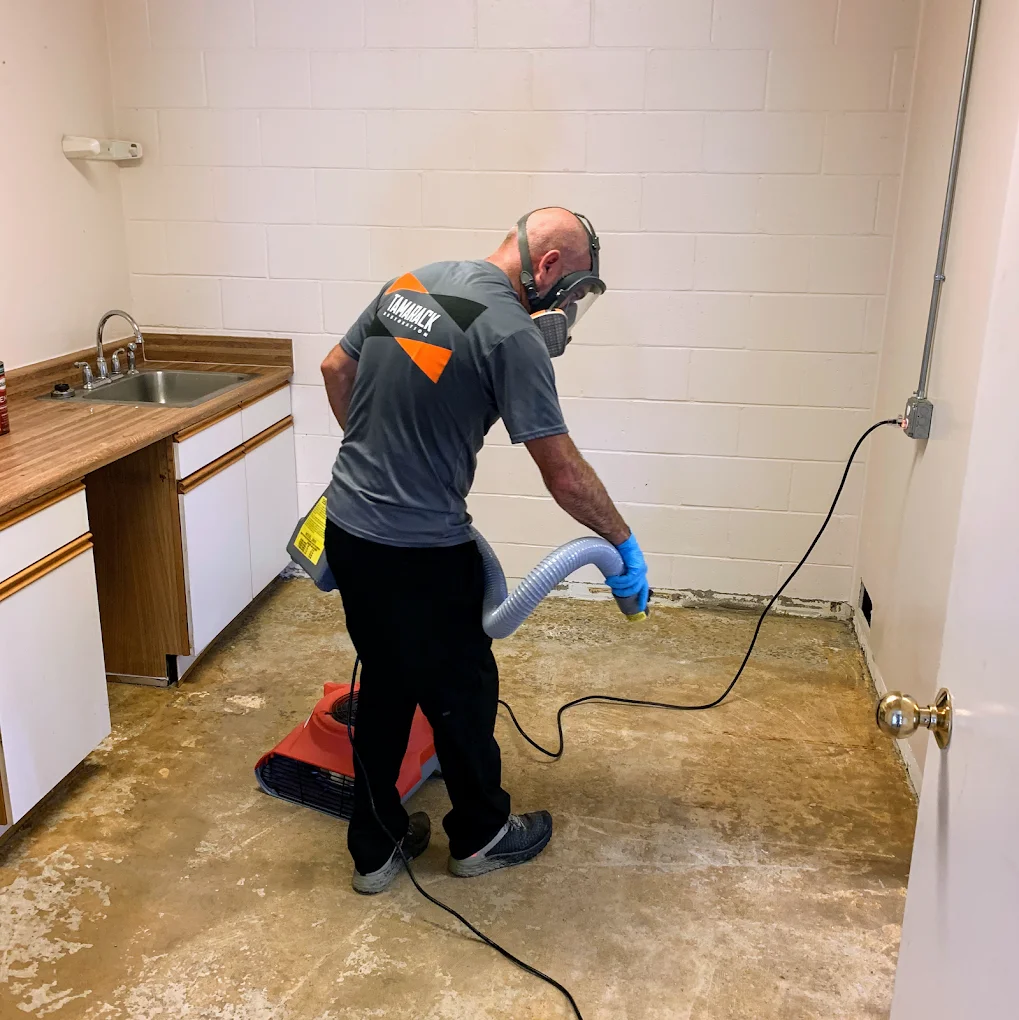
- Following proper PPE and handling procedures
- Removing porous, non-salvageable materials when required
- Documenting sanitation and moisture milestones
Material Salvage Decisions in Contaminated Losses
Homeowners often ask what can be saved. The answer depends on contamination class and material porosity.
- Non-porous surfaces may be salvageable with proper sanitation.
- Porous materials exposed to Category 3 water are often removed.
- Semi-porous materials require case-by-case evaluation.
Making salvage calls without contamination context can create health and recurrence risks.
Cross-Contamination Prevention at Home
Until professionals arrive:
- Limit foot traffic through affected zone
- Keep towels/tools used in wet area isolated
- Avoid moving contaminated items through clean rooms
- Keep HVAC airflow from spreading particulates across the home
Simple containment behavior can reduce downstream cleanup scope.
Recovery Timeline Expectations
Contaminated bathroom losses often require:
- Safety setup and classification
- Controlled removal/cleanup
- Structural drying and sanitation verification
- Rebuild planning and finish replacement
This sequence can be longer than a clean-water event, but it is necessary for safe completion.
Homeowner Decision Rule
If you’re unsure whether the event is contaminated, treat it as potentially high-risk until a professional classification is done. It is safer and usually more cost-effective than under-responding early.
What Safe Completion Looks Like
A contaminated bathroom loss should only be considered complete when classification, cleanup, drying, and reconstruction readiness are all documented. “Looks clean” is not enough without process confirmation.
Owner Checklist Before Signoff
- Was contamination category addressed with appropriate controls?
- Were unsalvageable materials removed where required?
- Was structural drying verified before rebuild?
- Are sanitation and project records complete?
Avoiding Repeat Incidents
After restoration, review plumbing maintenance priorities and overflow prevention habits in high-risk bathrooms. Small preventive actions now are significantly cheaper than another emergency contamination event later.
A strong closeout standard protects health, property condition, and claim clarity.
Clear Documentation Helps Safe Recovery
In contamination events, clear records are part of quality control. Keep photos, scope notes, sanitation steps, and dry verification in one file. It protects claim clarity and gives you confidence the bathroom was restored safely—not just made to look clean.
Bottom-Line Safety Note
When contamination is uncertain, choose the safer response path first. Early caution usually prevents bigger health and cost problems later.