Choosing the correct service category at intake improves response speed, safety controls, and claim clarity. Many homeowners use the terms interchangeably, but each service has different operational priorities.
Water Damage Restoration: Best For
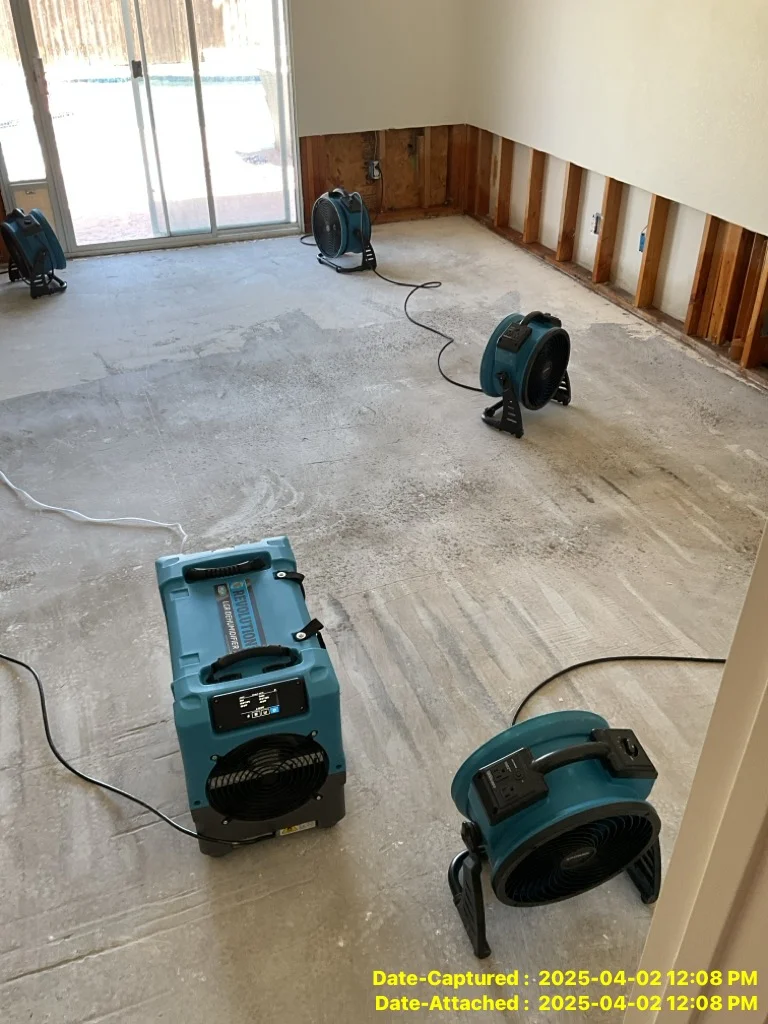
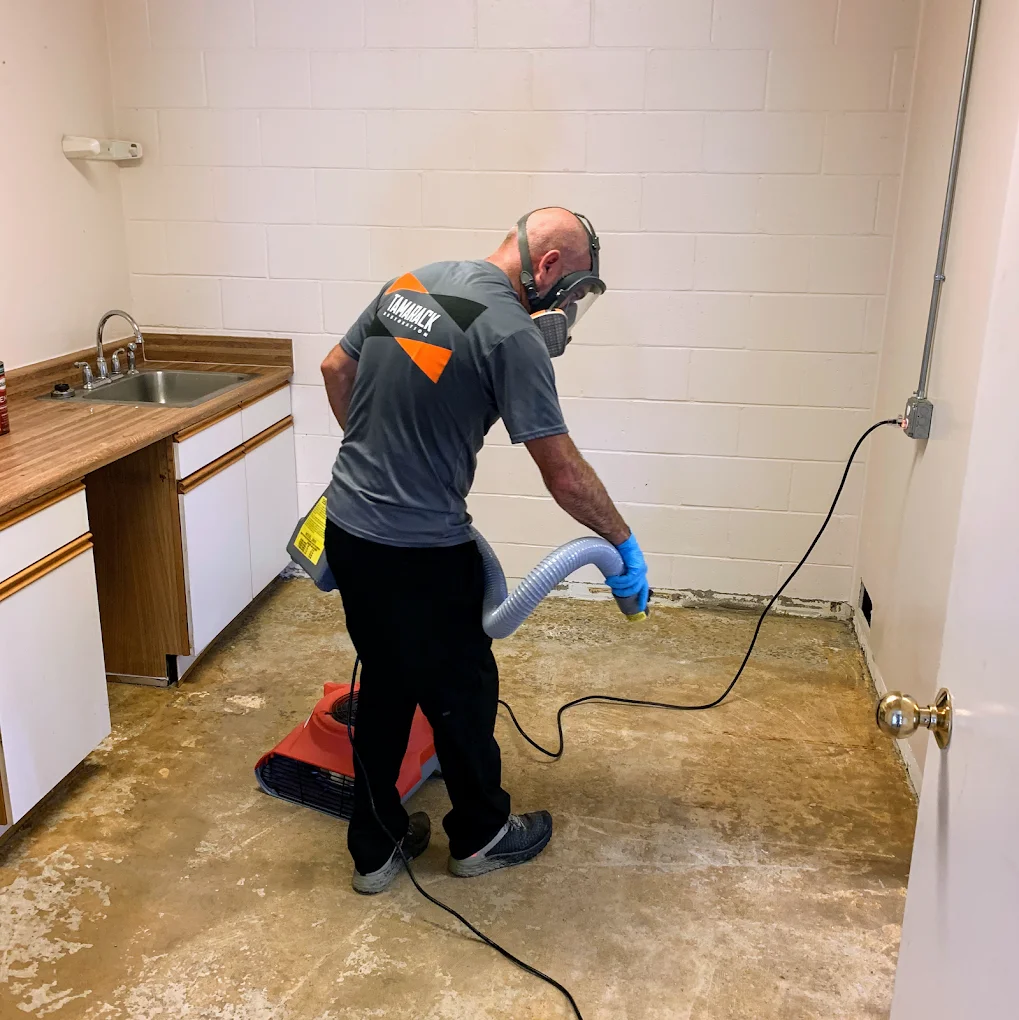
Use Water Damage Restoration when losses are primarily interior and source-driven, such as:
- Burst pipe and plumbing failures
- Appliance supply line leaks
- Interior overflows with limited contamination
- Structural drying + material restoration needs
Flood Cleanup: Best For
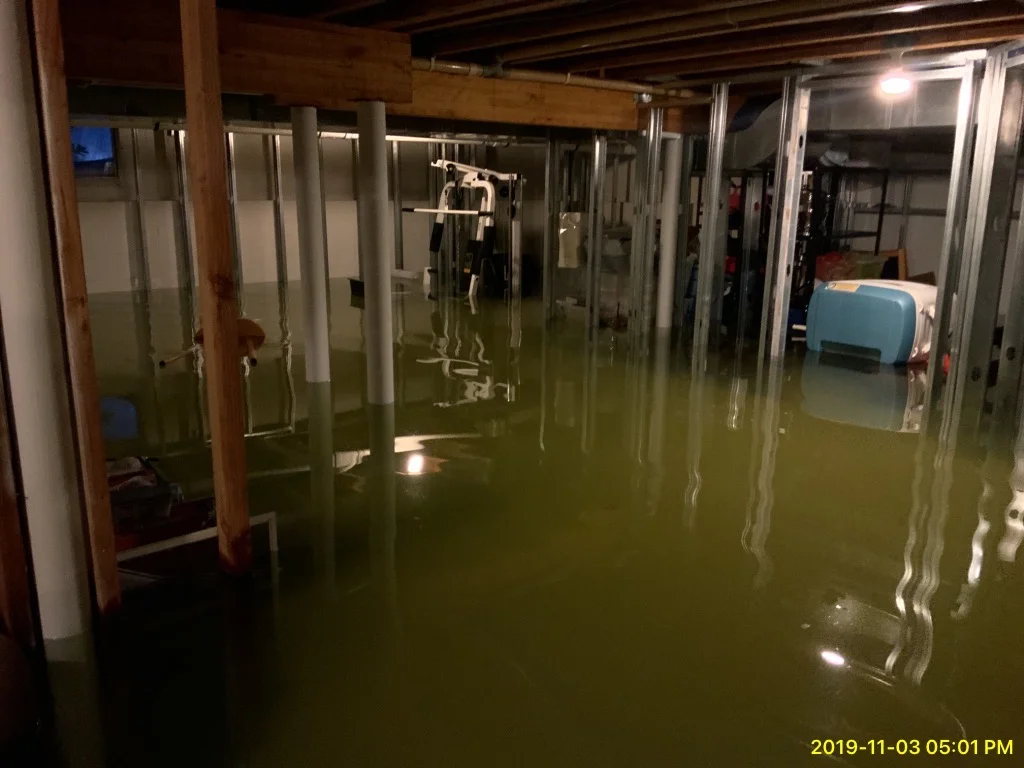
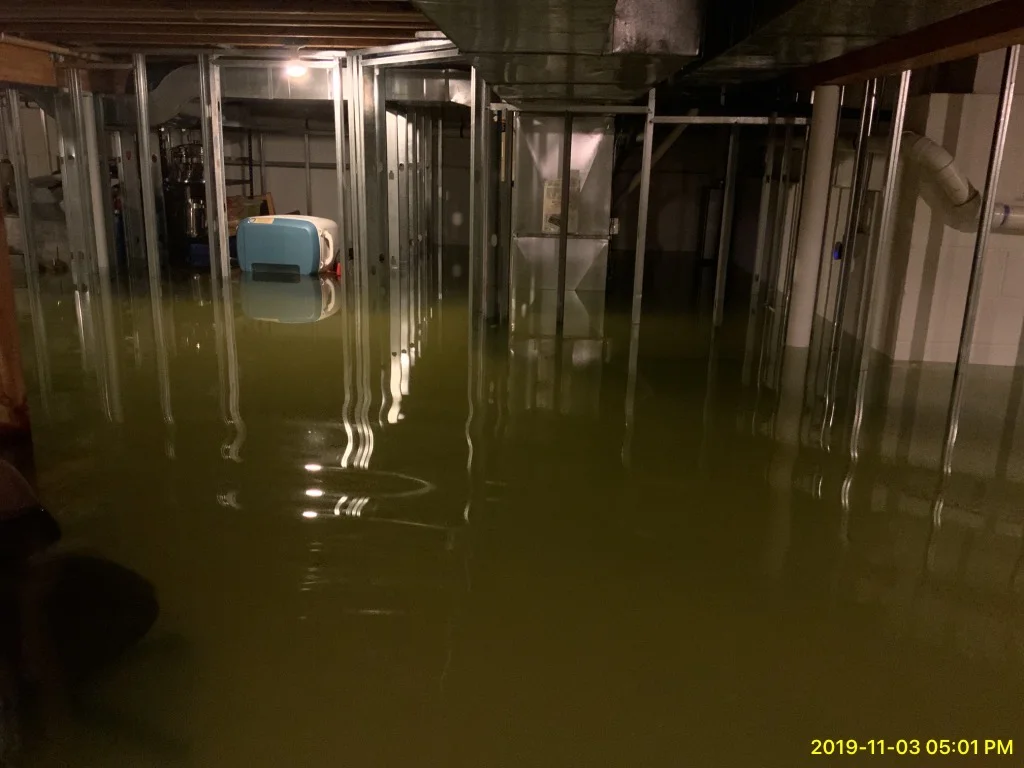
Use Flood Cleanup when water enters in larger volumes or from external pathways:
- Stormwater intrusion
- Groundwater seepage/inundation
- Debris-heavy standing water
- Multi-zone events with broad saturation
Sewage Cleanup: Required When Contaminated
If wastewater or black water is present, Sewage Cleanup protocols are essential due to health risk and cross-contamination concerns.
Intake Questions That Improve Dispatch Accuracy
- Where did the water come from?
- Is there visible contamination or odor?
- How long has water been present?
- Which materials are affected?
- Is water spreading beyond the initial area?
Why This Decision Impacts Cost and Timeline
Correct service selection early prevents:
- Re-dispatch delays
- Incomplete initial mitigation
- Containment mistakes
- Documentation mismatches for claims
Local Money Pages
- Water Damage Restoration in Carlsbad
- Water Damage Restoration in Oceanside
- Water Damage Restoration in Vista
- Water Damage Restoration in Encinitas
Insurance context: Does Homeowners Insurance Cover Water Damage?.
Final Takeaway
Selecting the right service category is a strategic decision, not just a label. Better intake classification leads to faster stabilization, clearer claims, and better final restoration outcomes.
Decision Matrix for Faster Service Selection
If source is interior plumbing and contamination is low, start with water damage restoration. If source is storm/groundwater or heavy standing water, flood cleanup is usually the right intake path. If wastewater is involved, include sewage cleanup protocols immediately.
Why This Matters for Rankings and User Value
Users searching this comparison are often close to conversion. Content that clearly maps symptom-to-service helps both user satisfaction and commercial intent alignment.
Practical Intake Examples
Example 1: Burst Supply Line in Kitchen
Primary service is usually water damage restoration, with leak repair to stop source and verify system stability.
Example 2: Stormwater Entering Ground Floor
Flood cleanup is typically appropriate first, especially if water volume and debris load are high.
Example 3: Toilet Overflow With Contamination
Sewage cleanup protocols should be included immediately due to health and sanitation requirements.
Why Misclassification Causes Delays
If a project is classified too narrowly at intake, teams may need to re-scope midstream. That can delay extraction, containment, and documentation.
Correct first classification helps:
- deploy the right safety controls,
- align claim language with actual conditions,
- reduce rework and scheduling friction.
Homeowner Checklist Before Calling
- Identify likely source type (plumbing, weather, wastewater)
- Note duration water has been present
- Capture photos before major disturbance
- List affected rooms/materials
- Mention any odor/contamination indicators
This information improves first-call accuracy and speeds dispatch decisions.
Converting Comparison Into Action
If uncertain, request an emergency assessment and explain all known symptoms clearly. A quality team can classify correctly on arrival and start the right workflow without guesswork.
Common Misclassifications and Their Consequences
A frequent issue is labeling every event as “water damage” even when contamination or external flood factors are present. This can delay the right controls and create avoidable rework.
Another common miss is treating contaminated bathroom overflow like a clean-water plumbing leak. In practice, classification drives sanitation method, PPE approach, and material salvage decisions.
Fast Path to the Right Service Call
When you call, give five facts up front:
- source type,
- time since incident began,
- number of affected rooms,
- contamination indicators,
- whether utilities or structural concerns are involved.
Clear intake details improve first-dispatch accuracy and shorten time to effective mitigation.
Final Practical Rule for Homeowners
When uncertain, describe conditions instead of guessing service labels. A good intake team will classify correctly from source type, contamination indicators, and spread pattern. Clear symptoms beat incorrect labels every time and lead to faster, safer on-site action.
Keep Intake Simple
Give source, timeline, affected rooms, and contamination clues first. That information leads to the most accurate and fastest service routing.
One-Call Goal
The goal of intake is to send the right team with the right controls the first time. Better first-call details make that possible.