Homeowners often use “mold” and “mildew” interchangeably, but they’re different organisms that require different responses. Understanding the distinction helps you know when you can handle the problem yourself and when you need professional help.
The Short Answer
Mildew is a surface fungus that typically appears flat and powdery. It’s usually white, gray, or light brown and grows on the surface of damp materials. It’s common in bathrooms and can often be cleaned with household products.
Mold penetrates beneath surfaces, forming root-like structures (hyphae) that embed into materials. It can be black, green, orange, or white and often appears fuzzy or slimy. Mold causes structural damage and can pose serious health risks.
How to Identify Mildew
Mildew is the less aggressive of the two. Here’s what to look for:
- Appearance: Flat, powdery, or downy patches on surfaces
- Color: Usually white, gray, or yellowish-brown
- Location: Typically on the surface of damp areas—bathroom tiles, shower curtains, window sills, and poorly ventilated spaces
- Texture: Sits on the surface; can be wiped away relatively easily
- Smell: Musty, but less intense than mold
When to Worry About Mildew
Mildew itself is generally manageable with regular cleaning. However, mildew is a warning sign of excess moisture. If you keep finding mildew in the same spots, you have a humidity or ventilation problem that could eventually lead to mold growth.
How to Identify Mold
Mold is more destructive and potentially hazardous:
- Appearance: Fuzzy, slimy, or raised patches that grow into materials
- Color: Can be black, dark green, blue, orange, white, or even pink
- Location: Grows on and inside organic materials—drywall, wood, carpet, insulation, and behind walls where you can’t see it
- Texture: Often fuzzy or slimy; does not wipe away easily because it grows roots into the material
- Smell: Strong, musty, or earthy odor that persists even after cleaning
Common Types Found in Homes
- Cladosporium: Olive-green to brown, found on fabrics and wood surfaces
- Penicillium: Blue or green, spreads quickly, common after water damage
- Aspergillus: Various colors, very common in homes, can cause respiratory issues
- Stachybotrys chartarum (“black mold”): Dark black or greenish-black, grows on materials with high cellulose content like drywall and wood. Requires sustained moisture.
Health Risks: Mildew vs. Mold
Mildew Health Effects
Mildew can cause minor irritation in sensitive individuals:
- Coughing or sneezing in affected areas
- Mild headaches
- Sore throat when exposed for extended periods
These symptoms are generally temporary and resolve once you leave the affected area or clean the mildew.
Mold Health Effects
Mold exposure can cause more serious health problems, especially with prolonged exposure:
- Persistent respiratory issues (coughing, wheezing, shortness of breath)
- Allergic reactions (runny nose, red eyes, skin rashes)
- Asthma attacks in people with asthma
- Headaches and fatigue
- In severe cases, neurological symptoms from certain toxic mold species
People most at risk include children, elderly adults, anyone with respiratory conditions, and those with compromised immune systems.
When You Can Handle It Yourself
You can likely address the problem yourself if:
- The affected area is less than 10 square feet (roughly a 3x3 foot area)
- The growth is on a non-porous surface (tile, glass, metal)
- It’s clearly surface mildew that wipes away
- You can identify and fix the moisture source
- No one in your household has respiratory sensitivities
DIY Cleaning Tips
- Wear gloves and a mask
- Use a solution of 1 cup white vinegar to 1 cup water, or a commercial mildew cleaner
- Scrub the area thoroughly and dry completely
- Improve ventilation to prevent recurrence
- Never mix bleach with ammonia or other cleaners
When You Need Professional Help
Call a professional mold remediation company when:
- The affected area is larger than 10 square feet
- Mold is growing on porous materials (drywall, carpet, wood framing)
- Mold is behind walls or in areas you can’t access
- There’s a strong musty odor but no visible mold (it’s probably hidden)
- The mold keeps coming back after cleaning
- Anyone in the household is experiencing health symptoms
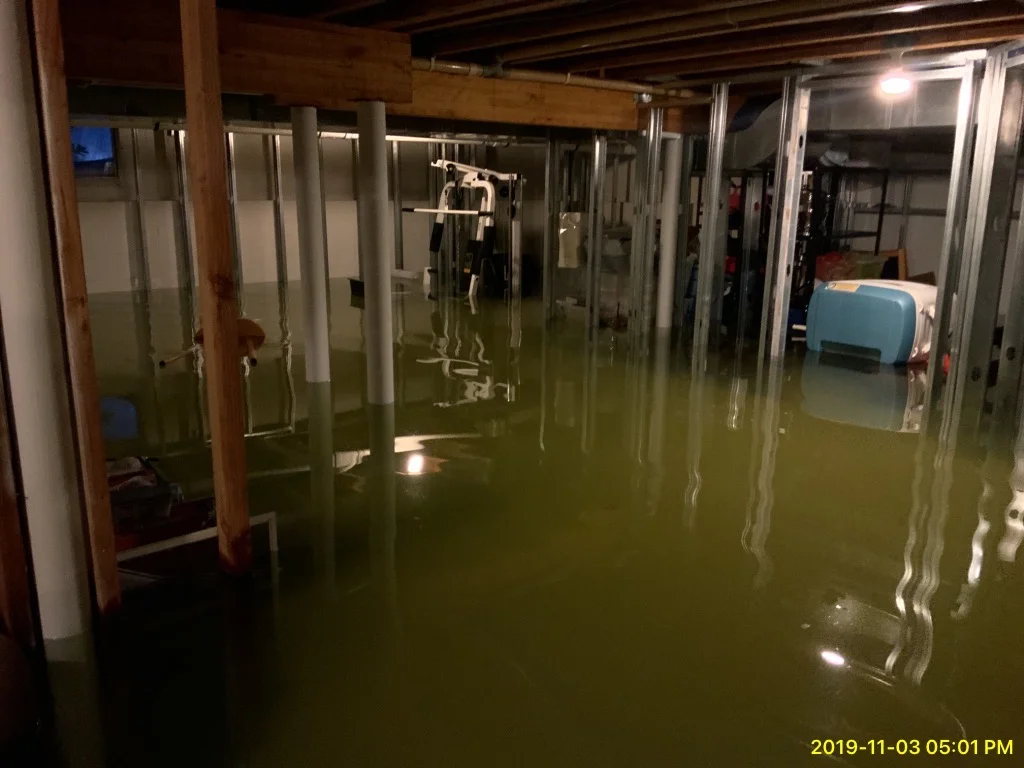
- The mold resulted from sewage or flood water contamination
- You’re selling your home and need documented remediation
Why DIY Mold Removal Often Fails
When homeowners try to remove mold themselves, common problems include:
- Disturbing spores without containment — scrubbing mold without proper containment sends millions of spores airborne, spreading contamination to clean areas
- Surface cleaning only — mold growing on drywall or wood has roots beneath the surface. Wiping the visible growth leaves the root structure intact
- Not finding the moisture source — mold will always return if the moisture problem isn’t fixed
- Using bleach on porous surfaces — bleach kills mold on non-porous surfaces but doesn’t penetrate porous materials. It can also create conditions for regrowth
Coastal San Diego and Mold Risk
Living near the coast in communities like Carlsbad, Encinitas, and Solana Beach means elevated humidity for much of the year. Coastal homes face higher mold risk due to:
- Salt air and marine layer moisture
- Condensation on windows and cool surfaces
- Older construction with less effective moisture barriers
- Properties with crawlspaces exposed to ground moisture
Regular inspection of these areas helps catch mold problems early: bathrooms, under sinks, around windows, in attics, and in crawlspaces.
Prevention Basics
The best strategy is preventing mold growth:
- Control humidity — keep indoor humidity below 60% (ideally 30-50%)
- Fix leaks promptly — any water intrusion should be dried within 24-48 hours
- Ventilate moisture-prone areas — use exhaust fans in bathrooms and kitchens
- Improve air circulation — don’t block vents or crowd furniture against exterior walls
- Inspect regularly — check under sinks, around water heaters, and in crawlspaces
Need Mold Inspection or Remediation?
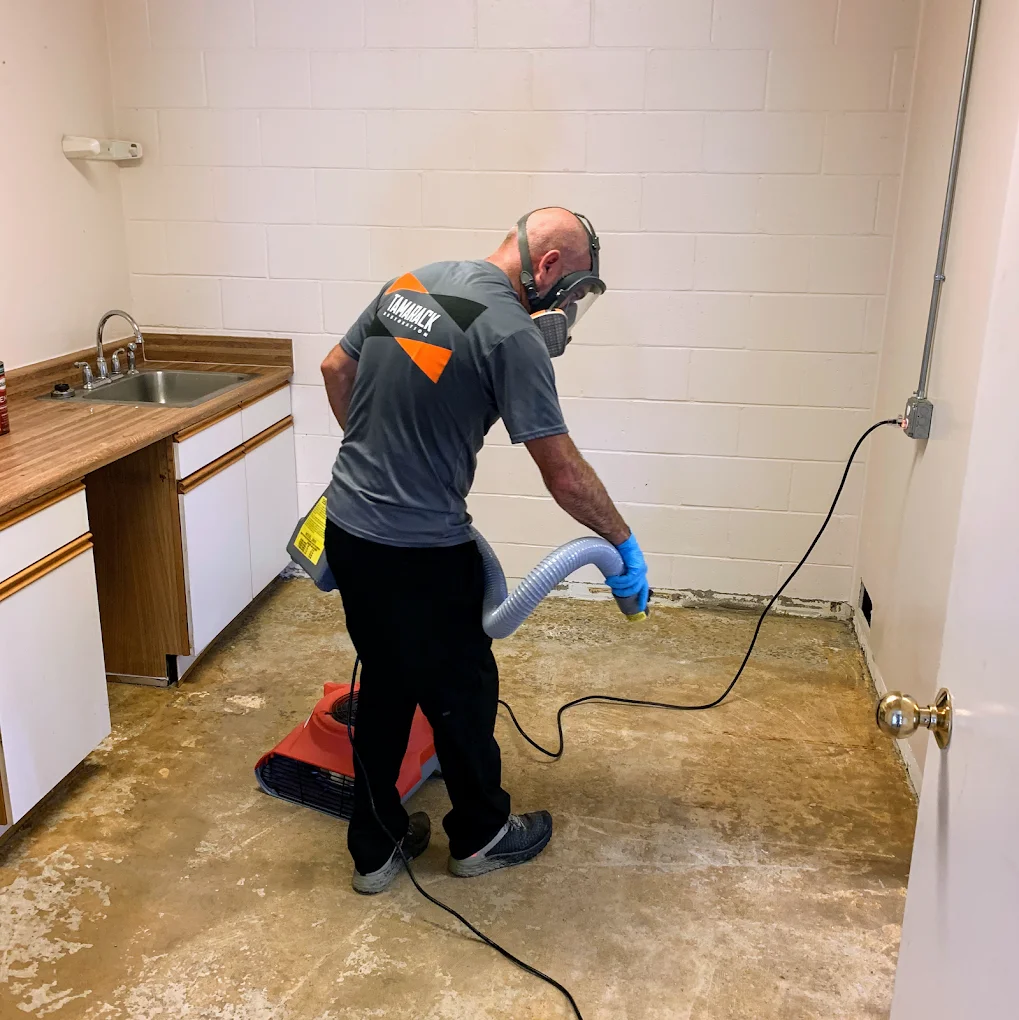
If you suspect mold in your North San Diego County home, Tamarack Restoration provides professional mold inspection, testing, and remediation. Our IICRC-certified technicians use proper containment, HEPA filtration, and clearance testing to ensure the mold is gone. Call (760) 500-2211 for a free assessment.