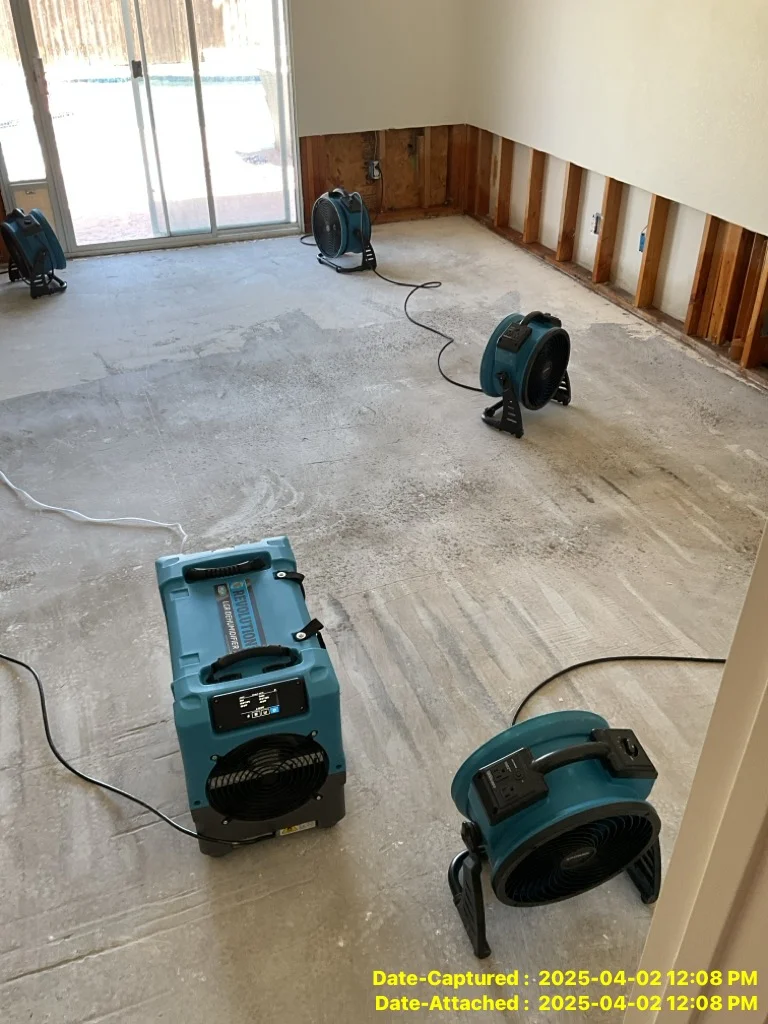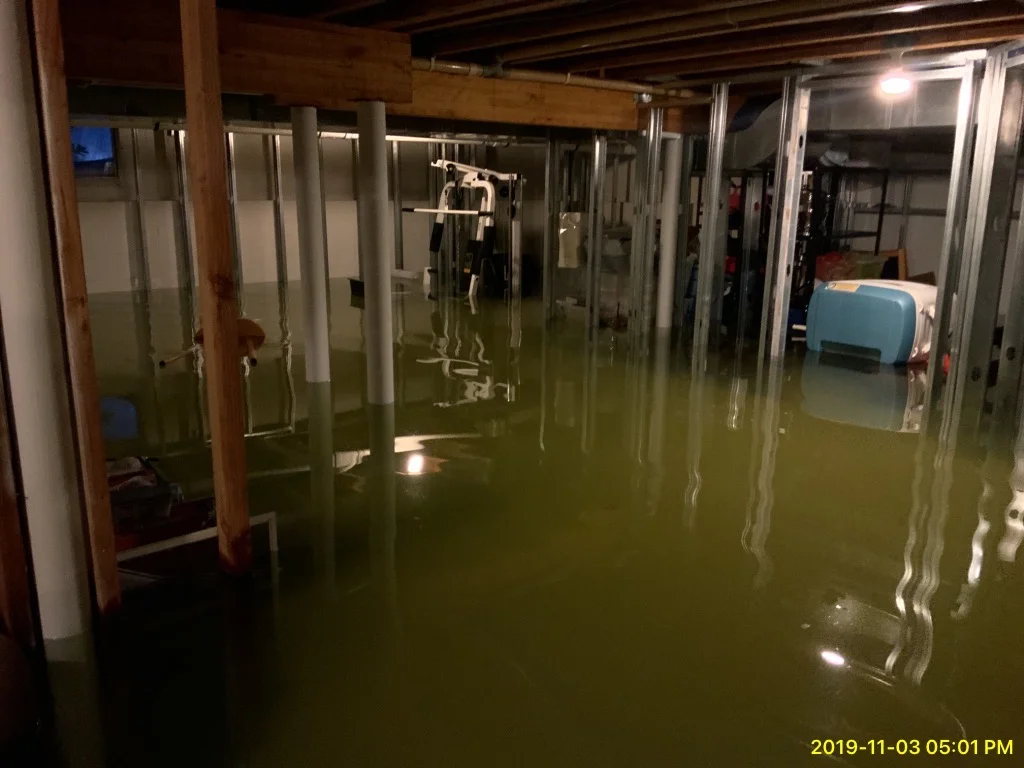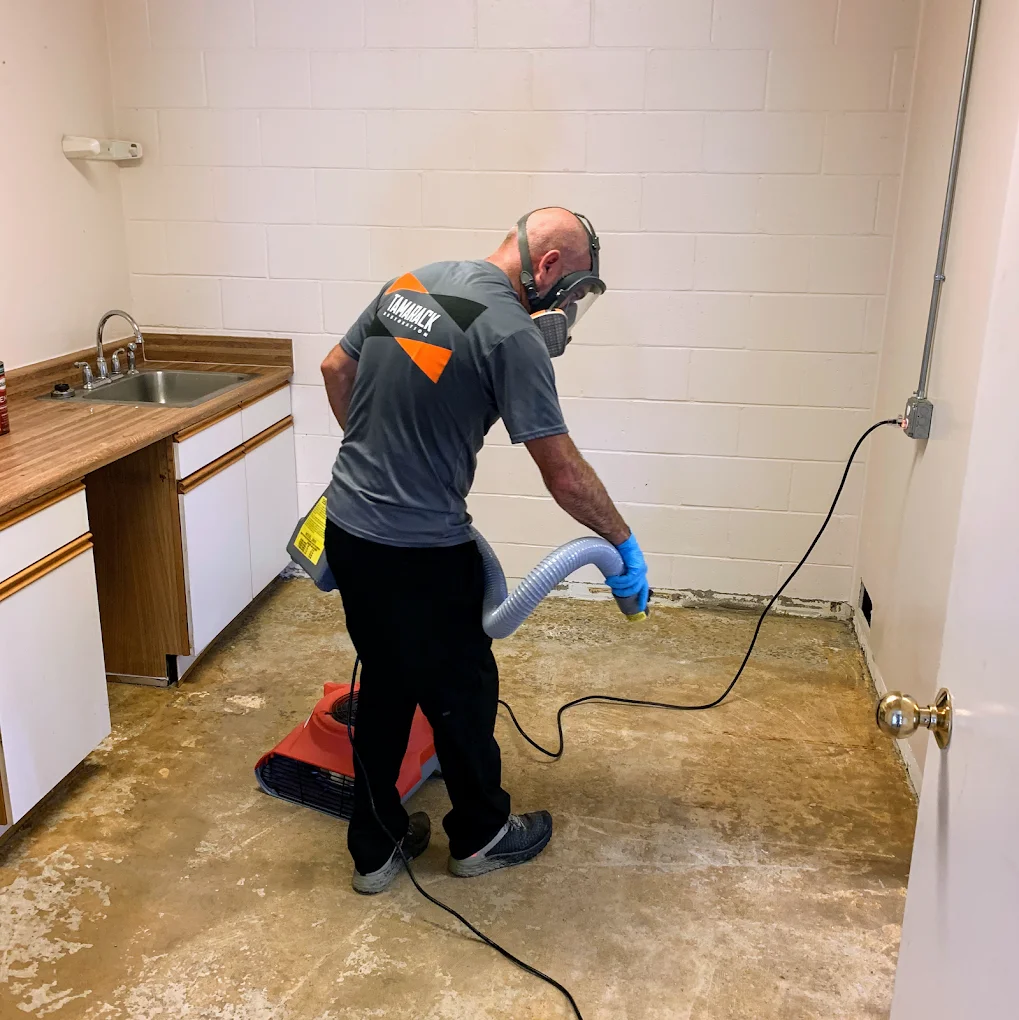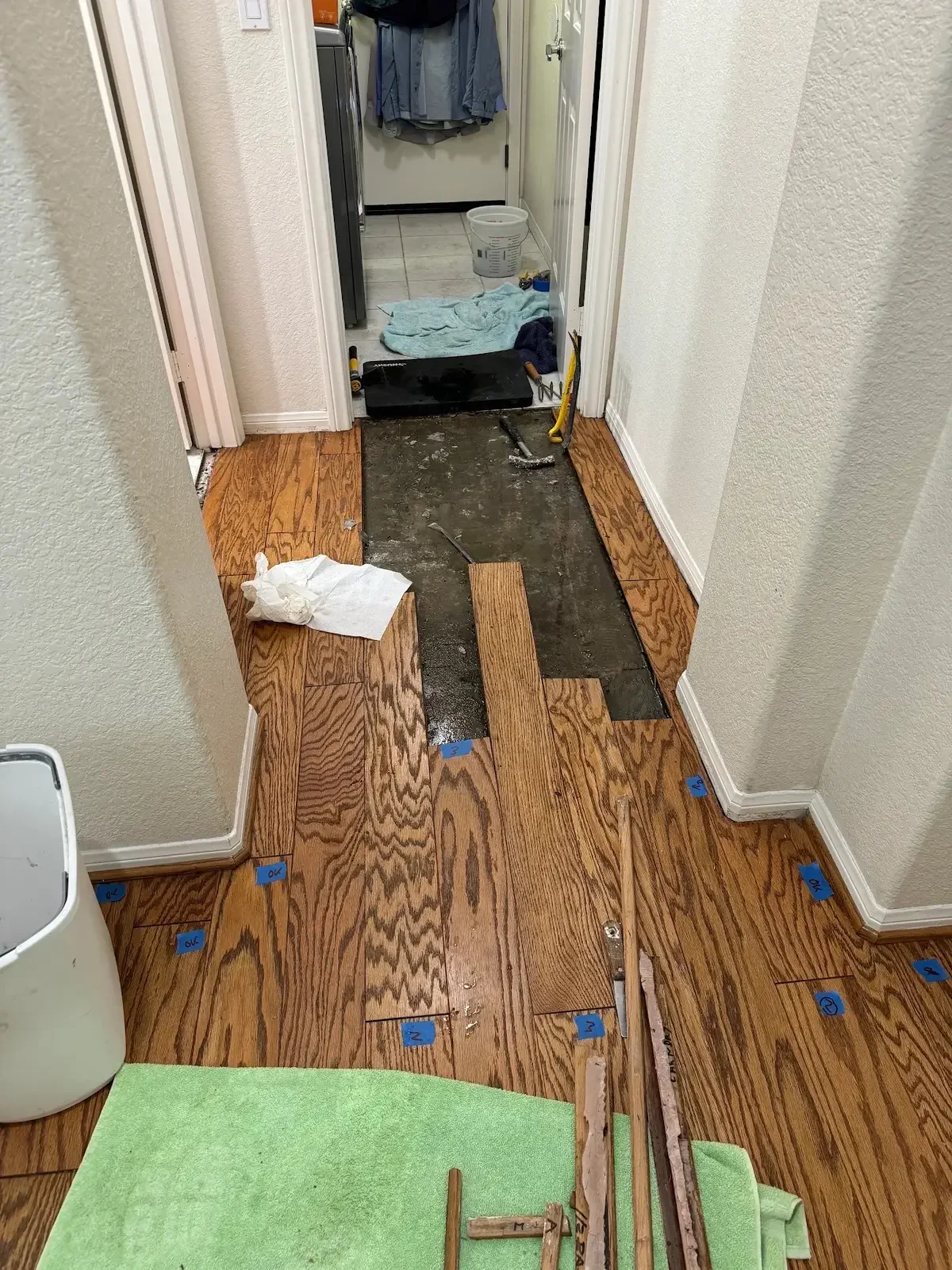
Mold concerns are one of the biggest reasons homeowners call after water damage, and for good reason. Moisture that remains in enclosed building materials can create conditions where growth risk rises quickly. The best prevention strategy is fast source control and measured structural drying.
Practical Mold Timeline
- 0–24 hours: moisture migration into porous assemblies
- 24–48 hours: growth potential increases significantly
- 48+ hours: odor and visible indicators become more likely
This timeline varies by humidity, material type, and airflow conditions.
High-Risk Conditions
- Delayed extraction and drying
- Recurrent leaks not fully repaired
- Wet insulation and enclosed cavities
- High humidity with poor ventilation
Start with Water Damage Restoration and Water Leak Repair to remove growth conditions quickly.
Early Mold Indicators
- Persistent musty odor
- Reappearing stains after cleanup
- Spotting near seams, trim, or cabinets
- Occupant discomfort in affected rooms
When indicators appear, move quickly to Mold Removal.
Safe Remediation Principles
- Contain affected zones before disturbance.
- Correct moisture source first.
- Remove unsalvageable contaminated porous materials.
- HEPA-filter and clean impacted areas.
- Verify conditions before closure.
Common Homeowner Missteps
- Surface cleaning without source correction
- Assuming bleach is a complete solution for porous materials
- Rebuilding before dry verification
- Ignoring low-level odor over time
Local City + Service Links
- Water Damage Restoration in Carlsbad
- Water Damage Restoration in Encinitas
- Water Damage Restoration in Oceanside
Related content: Mold vs. Mildew: What’s the Difference?.
Final Takeaway
Mold control is a moisture control problem first. The most reliable path is rapid source repair, measured dry-down, and contamination-aware remediation when signs indicate elevated risk.
Prevention Strategy After Any Water Event
- Stop source water quickly.
- Start extraction and drying without delay.
- Monitor enclosed assemblies, not just surface conditions.
- Correct underlying leak causes permanently.
- Escalate to remediation at first contamination indicators.
Local-Intent Questions This Content Supports
- “mold remediation after water leak in Carlsbad”
- “how soon mold starts after flood cleanup”
- “musty smell after water damage what to do”
These searches typically indicate urgent need for clear next steps and professional intervention timing.
Moisture Control vs Surface Cleaning
A common misunderstanding is thinking visible cleanup alone solves mold risk. In reality, moisture control determines whether growth conditions remain.
- Surface cleaning can improve appearance.
- Source correction and dry verification prevent recurrence.
If moisture remains in enclosed materials, problems usually return.
Areas With Higher Hidden Growth Risk
Pay close attention to these zones after any water event:
- Behind cabinetry backs and toe-kicks
- Wall cavities around plumbing penetrations
- Under floating or layered flooring systems
- Insulated ceiling cavities
These areas can stay wet after the room appears dry.
Safe Decision Points for Homeowners
Escalate to professional remediation when you have:
- Persistent musty odor despite drying efforts
- Repeat staining at the same locations
- Visible spotting near seams and trim
- Health sensitivity concerns in occupied areas
Early escalation is usually less disruptive than waiting until spread is obvious.
Prevention Plan After Restoration
- Re-check previously affected zones during seasonal humidity shifts
- Address minor leaks immediately before they compound
- Use ventilation consistently in moisture-prone rooms
- Keep records of prior moisture incidents for reference
A simple post-event prevention routine helps avoid repeat mitigation cycles.
Health and Occupancy Considerations
Not every water event creates immediate health issues, but lingering moisture and unresolved contamination can increase occupant discomfort over time. Households with children, seniors, or respiratory sensitivities should use a lower threshold for escalation and containment.
Post-Remediation Confidence Checklist
After remediation work, verify:
- source conditions are corrected,
- affected assemblies are dry,
- cleanup scope is documented,
- no active odor trend remains in previously impacted zones.
A structured closeout process helps prevent the “looks fixed, then returns” cycle that frustrates homeowners months later.
Long-term success is less about one cleanup event and more about complete moisture management from source to rebuild.
Coordination Between Trades Prevents Recurrence
Mold outcomes depend on coordination: source repair, mitigation, remediation, and reconstruction must align. If one phase finishes without clear handoff notes, recurrence risk rises. A coordinated file with readings, scope notes, and closeout confirmation is one of the strongest safeguards.
Practical Homeowner Rule
If odor persists or returns after cleanup, assume unresolved moisture conditions until proven otherwise with proper assessment and verification.