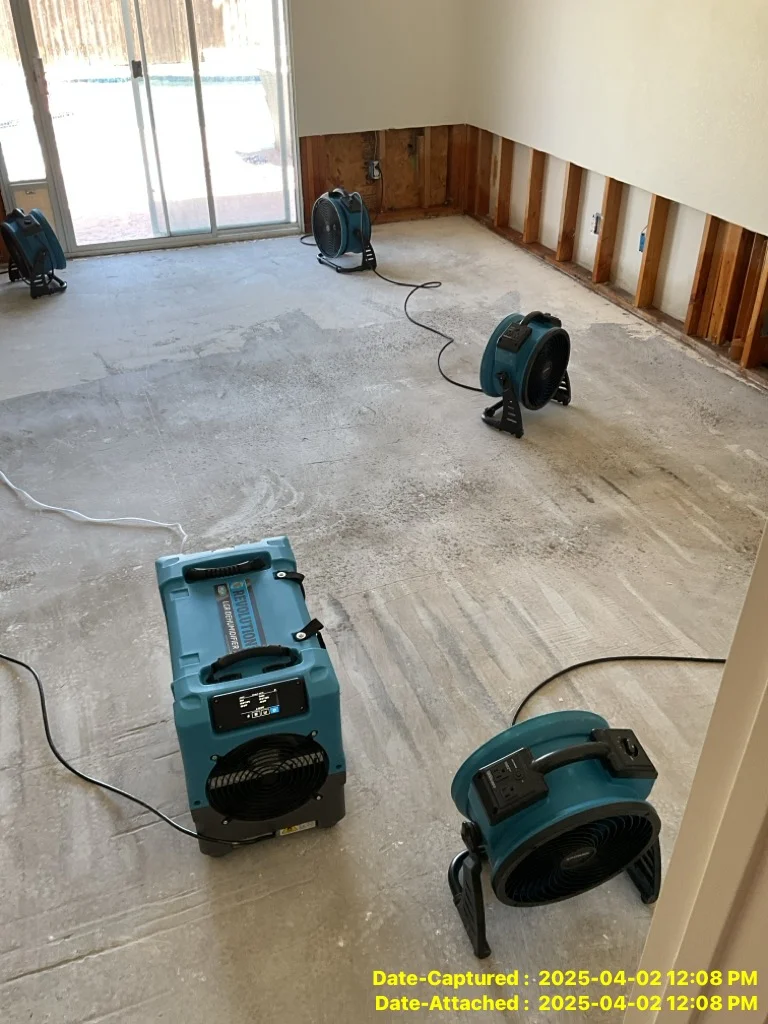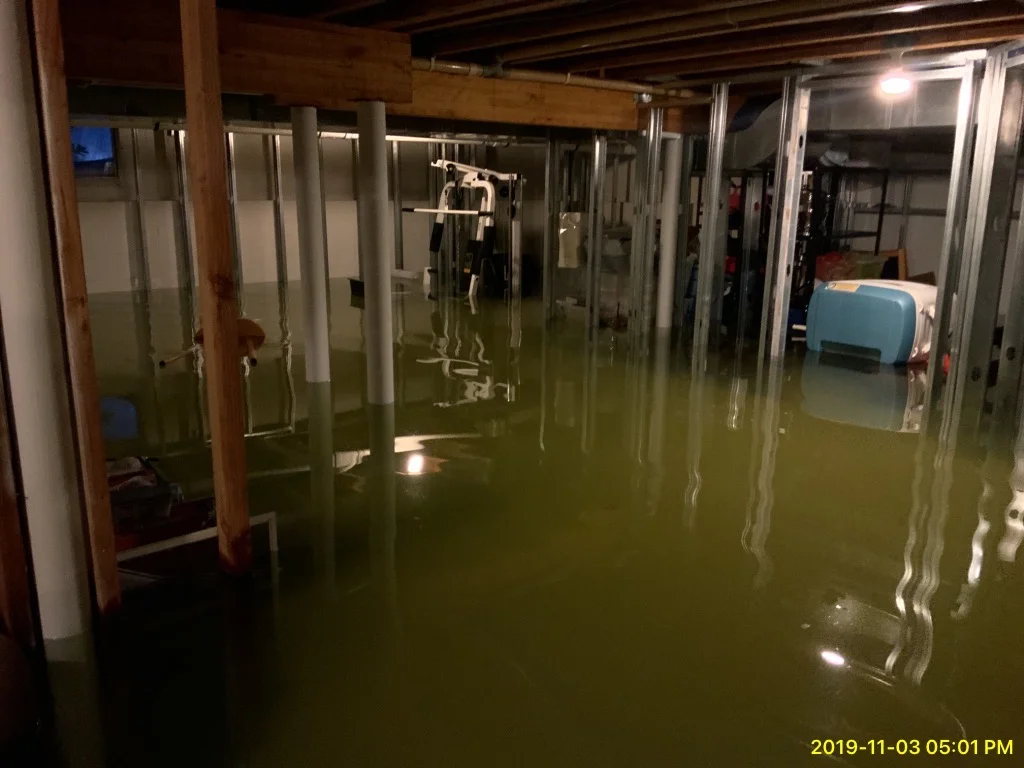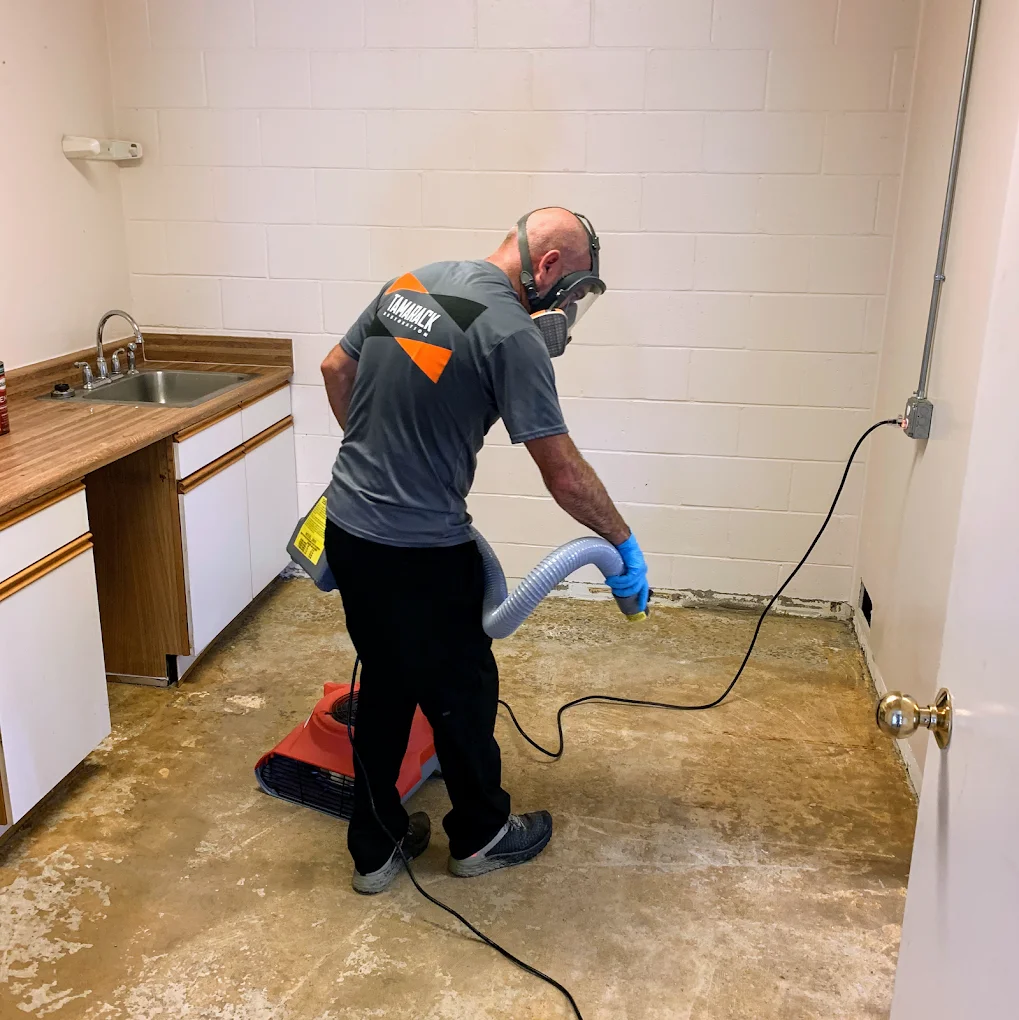
If you keep feeling congested, irritated, or just off inside your Oceanside home, mold may be part of the problem. In Oceanside, we regularly hear from homeowners who thought they were dealing with dust, seasonal allergies, or coastal humidity, only to find hidden mold behind a bathroom wall, under flooring, or in a crawl space.
The important thing is not to panic — but not to ignore it either. Mold in an Oceanside home does not always announce itself with black spots on a wall. More often, it starts quietly after a leak, chronic dampness, or trapped moisture that sits longer than it should.
Why Mold Issues Are Common in Oceanside Homes
Oceanside has several local conditions that make mold easier to miss. Coastal air, marine layer humidity, older housing stock, and a mix of owner-occupied and rental properties all create situations where moisture problems can sit unnoticed.
In Oceanside, mold often grows after a slow plumbing leak behind a wall, a roof leak that wets insulation or drywall, window or door intrusion near the coast, crawl space moisture under older homes, bathroom ventilation problems, or water damage that was dried incompletely.
That is why Oceanside homeowners need to pay attention when symptoms line up with household moisture clues. In South Oceanside beach cottages, pre-1960 construction and single-wall assemblies can make hidden moisture harder to control. In rental homes near Camp Pendleton, maintenance delays or tenant turnover can allow small leaks to become mold problems before anyone connects the dots.
Can Mold Actually Make You Feel Sick?
Mold affects people differently, and not everyone reacts the same way. But in Oceanside homes with active moisture problems, we often hear the same pattern: someone feels worse at home, especially in one room or one part of the house, and better after leaving for work, school, or the weekend.
Possible mold-related warning signs can include:
- Persistent nasal congestion
- Sneezing or watery eyes indoors
- Coughing that seems worse at home
- Throat irritation
- Headaches in certain rooms
- Increased asthma or respiratory irritation
- Fatigue in damp or musty areas
Those symptoms do not automatically prove mold is the cause. But if they happen in an Oceanside home with a musty odor, past leak history, visible staining, or chronic dampness, hidden mold should move higher on the list.
The Biggest Signs Mold May Be Hiding in Your Oceanside Home
Many homeowners in Oceanside expect mold to be obvious. It often is not. Hidden mold usually follows moisture, and moisture is what you need to think about first.
Look for these clues in your Oceanside home:
- A musty smell that keeps returning
- Discoloration on ceilings, walls, or baseboards
- Bubbling paint or soft drywall
- Warped flooring near bathrooms or kitchens
- Repeated caulking failure around tubs or showers
- Condensation problems around windows
- Past leak repairs that were only cosmetic
- Damp or stale air in one closed room
- Unexplained moisture in crawl spaces
In Oceanside, homes close to the coast or near the San Luis Rey River influence zone may hold dampness longer than owners realize, especially in shaded areas, enclosed rooms, and older construction. Marine layer humidity does not cause major mold on its own, but it can help small water problems linger.
Where Hidden Mold Shows Up Most Often in Oceanside
South Oceanside Beach Cottages and Older Homes
South Oceanside homes often have older plumbing, older windows, and more vulnerable wall assemblies. Single-wall construction in older homes can make moisture intrusion harder to isolate. Crawl space mold is also more common in these older properties, especially when airflow is poor or prior leaks were not fully corrected.
Bathrooms and Wet Walls
Bathrooms are one of the most common hidden mold zones in Oceanside. Shower pans, toilet seals, plumbing penetrations, and poorly vented bathrooms can all keep wall cavities damp longer than expected.
Under Sinks and Behind Cabinets
Kitchen and bathroom sink leaks are often slow and easy to ignore. By the time an Oceanside homeowner notices swelling under a cabinet or a smell near the vanity, the back wall and toe-kick area may already be affected.
Crawl Spaces and Lower Air Movement Areas
Crawl spaces in Oceanside can be a major problem area, especially in older homes or homes near moisture-prone zones. Damp soil conditions, plumbing leaks, and stale airflow can all contribute to mold growth below the living space.
A Practical Step-by-Step Plan for Oceanside Homeowners
If you suspect mold may be affecting how you feel at home, use this process:
- Think about where symptoms are worst inside the home
- Check whether there has been any leak, staining, odor, or dampness in that area
- Look under sinks, around baseboards, behind furniture on exterior walls, and near windows
- Pay attention to bathrooms, laundry rooms, crawl space access points, and rooms with poor airflow
- Do not disturb larger suspect areas by tearing into materials blindly
- Get professional help if the signs point to hidden moisture or ongoing mold growth
When Testing Makes Sense and When It Does Not
Homeowners in Oceanside often assume mold testing is always step one. It is not. Testing may help when the source of symptoms is unclear, when there is suspected hidden mold without visible confirmation, when documentation is needed for a tenant or property manager, or when post-remediation clearance is required.
If there is already visible growth and a clear history of water intrusion, the bigger priority is usually fixing the moisture source and planning proper mold removal. If the mold followed a leak, you may also need water damage restoration or targeted leak detection. For a deeper look at how fast mold can follow water problems, see our post on mold after water damage.
Our post on mold vs. mildew also helps explain what you are actually looking at if you are unsure whether a surface issue is minor or worth investigating further.
When to Stop Monitoring and Call a Professional
A lot of Oceanside homeowners wait too long because they want certainty before making the call. The better standard is: if symptoms keep happening and the house is giving you moisture clues, you already have enough reason to investigate.
Call a professional when symptoms keep improving outside the home, a musty smell is present more than once, you see staining or soft materials, there has been a recent or past leak in the same area, or you suspect an older home issue has been ignored too long.
Nearby homeowners comparing similar conditions can also review mold removal in Carlsbad and mold removal in Encinitas — but Oceanside homes carry their own mix of older construction, coastal exposure, and crawl space vulnerability that local experience helps navigate.
The Bottom Line for Oceanside Homeowners
If you keep wondering whether mold is making you sick in your Oceanside home, the right question is usually not just about symptoms. It is whether your home has moisture where it should not. In Oceanside, hidden mold often follows slow leaks, damp crawl spaces, coastal intrusion, and older plumbing conditions that homeowners in South Oceanside and other older neighborhoods deal with regularly.
Tamarack Restoration provides mold removal in Oceanside with a 60-minute response time across North County. Call (760) 500-2211 if your Oceanside home is showing warning signs and you want to stop guessing before a hidden mold problem gets worse.