When water damage hits your home, the clock starts immediately. What you do in the first 24 hours determines whether you’re dealing with a manageable restoration or a major reconstruction project. Here’s what you need to know.
Why the First 24 Hours Matter
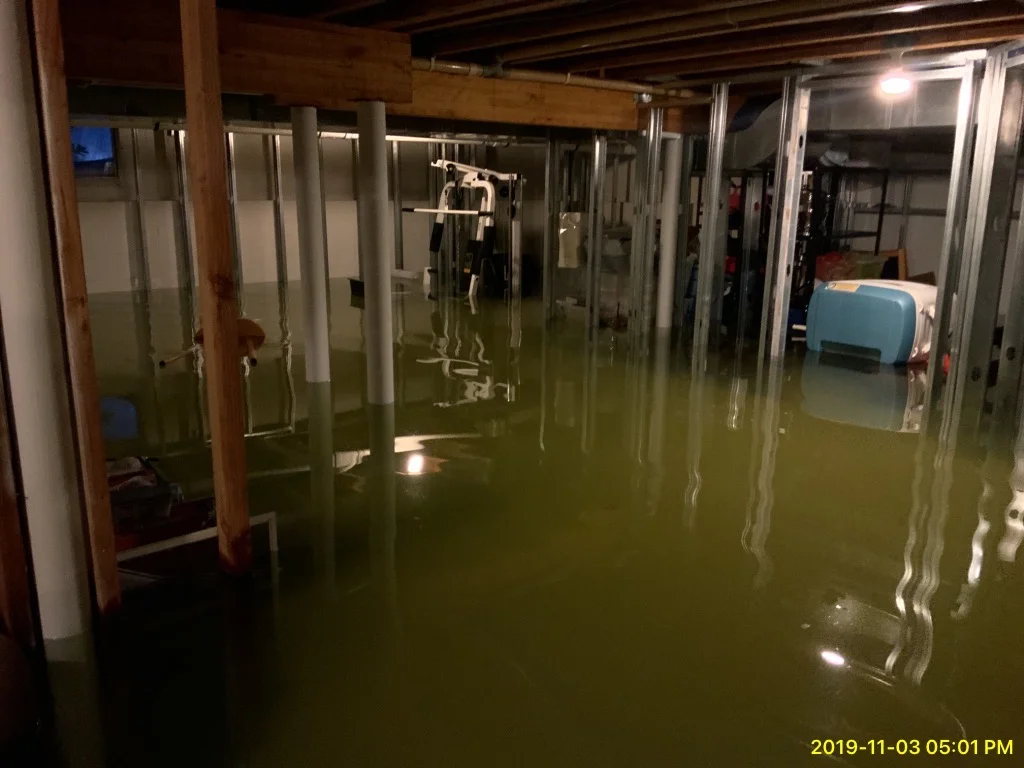
Water damage escalates fast. Within the first hour, water wicks up walls, soaks into carpet padding, and begins penetrating porous surfaces. By 24 hours, drywall is swelling, metal surfaces start corroding, and furniture is staining permanently. After 48 hours, mold begins growing—and that turns a water damage problem into a health hazard.
The faster you act, the more you save: less damage, lower costs, faster recovery.
Step 1: Ensure Safety First
Before touching anything, assess the safety situation:
- Check for electrical hazards. If water is near outlets, electrical panels, or appliances, do not wade through it. Turn off electricity at the breaker panel only if you can reach it safely without stepping in water.
- Watch for structural damage. Sagging ceilings, bulging walls, or warped floors may indicate structural compromise. Stay away from visibly damaged areas.
- Identify the water source. Clean water from a broken supply line is different from sewage backup. If you see or smell sewage, avoid contact and call professionals immediately.
Step 2: Stop the Water Source
If the flooding is coming from a plumbing failure:
- Shut off the main water supply to your home. The shutoff valve is typically near the street or where the main line enters your home.
- Turn off the water heater to prevent damage to the unit if the water supply is cut.
- Close individual supply valves if the leak is from a specific fixture (toilet, sink, washing machine).
If the water is from outside (rain, flooding), focus on keeping water from entering rather than trying to stop it at the source.
Step 3: Document Everything
Before you clean up anything, document the damage. This is critical for your insurance claim:
- Take photos and videos of all affected areas, including standing water levels.
- Photograph damaged items including furniture, electronics, personal belongings, and structural materials.
- Note the time and date you discovered the damage and what you believe caused it.
- Keep a written log of everything you do, including when you called for help.
Insurance adjusters rely on this documentation. The more thorough you are, the smoother your claim will go.
Step 4: Call a Professional Restoration Company
This is not the time for DIY. A professional restoration company has:
- Industrial extraction equipment that removes water 10-20 times faster than consumer-grade options
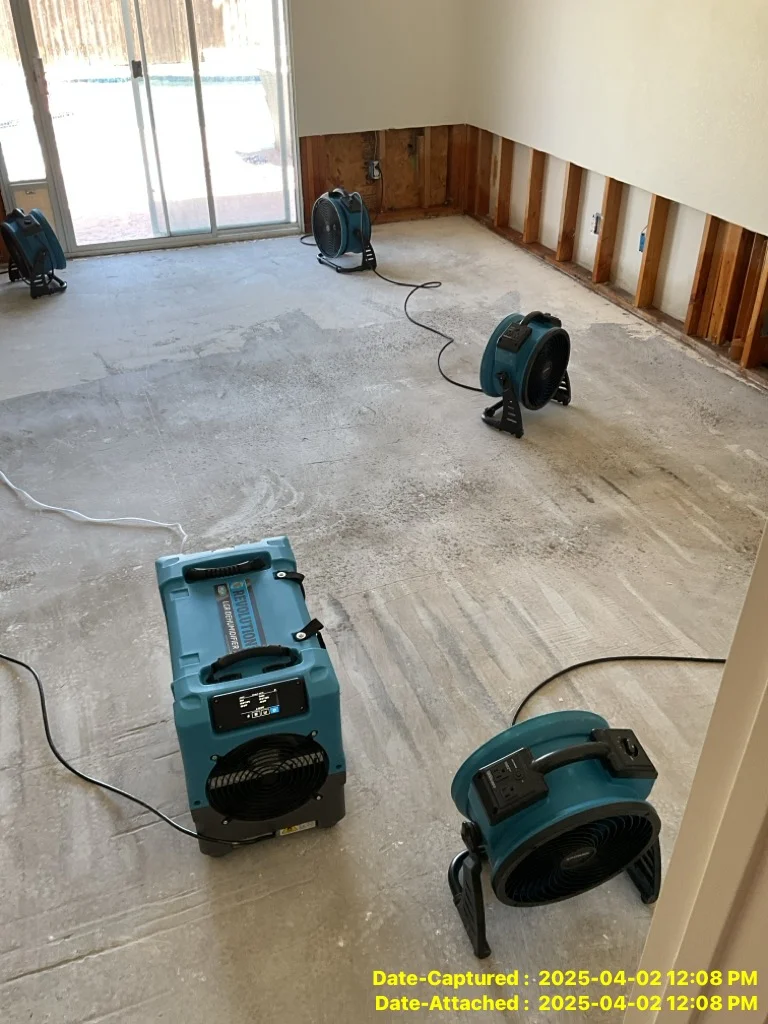
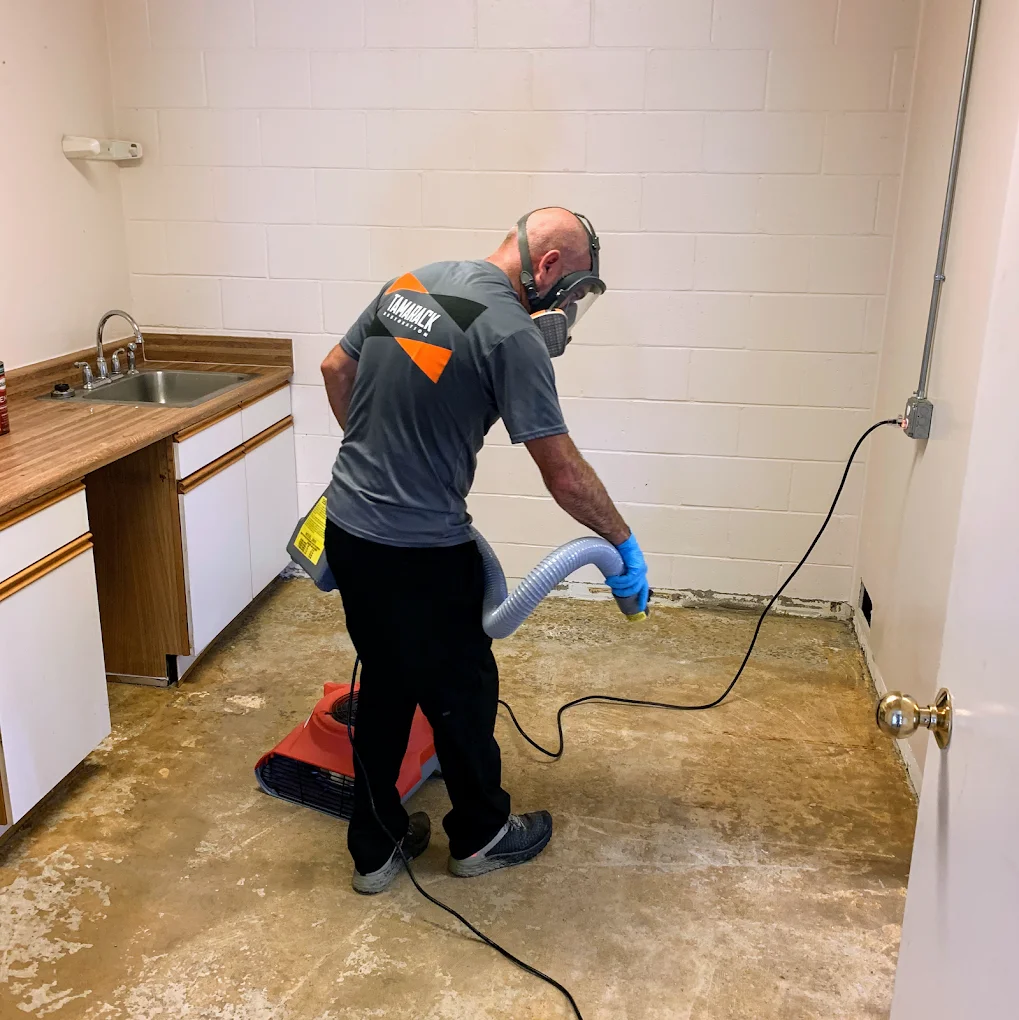
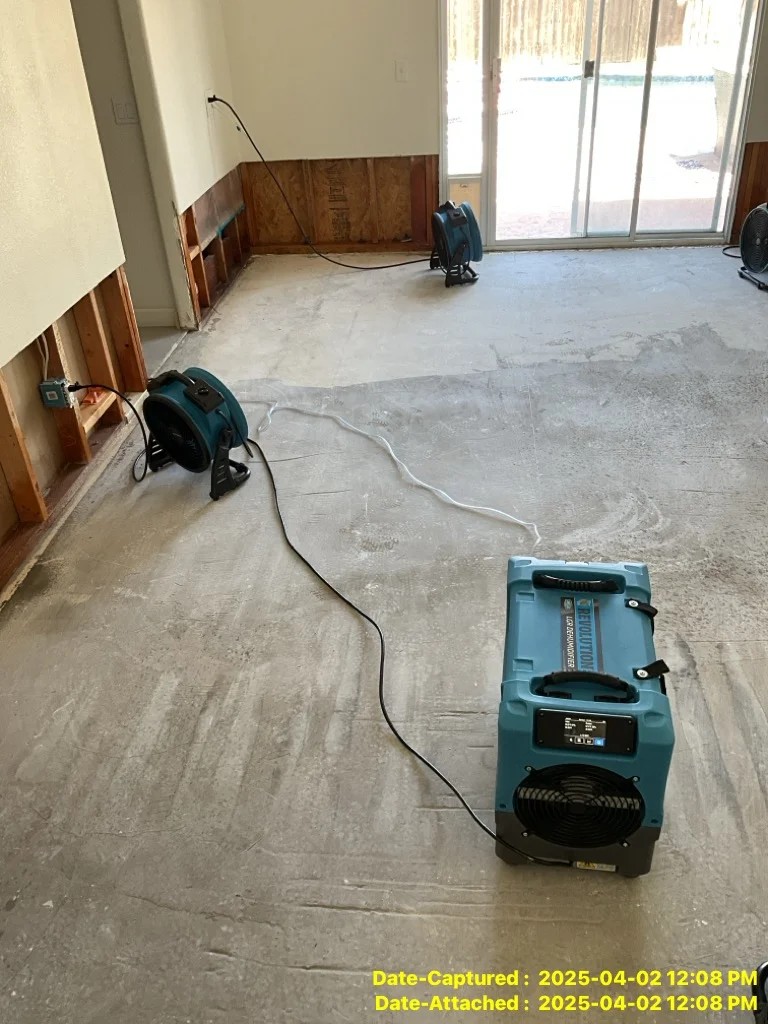
- Commercial dehumidifiers and air movers designed for structural drying
- Moisture meters and thermal imaging to find water hidden behind walls and under floors
- Training in proper drying protocols that prevent mold growth and secondary damage
When you call, ask about response time. At Tamarack Restoration, we guarantee 60-minute response times throughout North San Diego County, 24 hours a day.
Step 5: Contact Your Insurance Company
File your claim as early as possible. When you call:
- Provide your policy number and the date of the incident
- Describe the source of the water and the areas affected
- Ask about your deductible and coverage limits
- Ask whether you need approval before starting emergency mitigation (most policies do not require pre-approval for emergency measures)
A professional restoration company will work directly with your insurance adjuster, providing the documentation and communication they need to process your claim.
Step 6: Protect Undamaged Property
While waiting for professionals:
- Move furniture and belongings away from wet areas if you can do so safely
- Place aluminum foil or blocks under furniture legs to prevent staining on wet carpet
- Lift curtains and drapes off wet floors
- Remove loose items from closet floors in affected areas
- Open interior doors to improve air circulation
Step 7: Avoid Common Mistakes
In the panic of a water emergency, people often make things worse:
- Don’t use a household vacuum to remove water. Regular vacuums are not designed for water and create an electrocution risk.
- Don’t turn on the HVAC system. If there’s contamination, running the system can spread it through your entire home.
- Don’t remove carpet yourself unless you’re trained. Improper carpet removal can cause additional damage and complicate restoration.
- Don’t use electrical appliances while standing in water or on wet surfaces.
- Don’t ignore hidden water. Water behind walls and under floors causes the worst long-term damage because you can’t see it.
What Happens When Professionals Arrive
A professional restoration team will:
- Assess the damage and classify the water (Category 1, 2, or 3) to determine proper handling
- Begin extraction immediately using truck-mounted and portable extraction units
- Set up drying equipment including commercial dehumidifiers and air movers
- Monitor moisture levels daily until the structure is completely dry
- Document everything for your insurance claim with photos, moisture readings, and detailed reports
The Cost of Waiting
Every hour of delay typically increases restoration costs by 10-20%. A burst pipe that could be resolved with extraction and drying may require full drywall replacement, mold remediation, and flooring replacement if left untreated for just 48 hours.
Emergency Checklist
Keep this checklist accessible:
- Ensure everyone is safe
- Turn off water supply (if plumbing failure)
- Turn off electricity (if safe to do so)
- Document damage with photos and video
- Call a restoration company
- Contact your insurance company
- Move valuables away from water
- Do not attempt DIY water removal
Get Help Now
If you’re dealing with water damage in Carlsbad, Oceanside, Vista, San Marcos, Encinitas, or anywhere in North San Diego County, call Tamarack Restoration at (760) 500-2211. We respond within 60 minutes, 24/7.