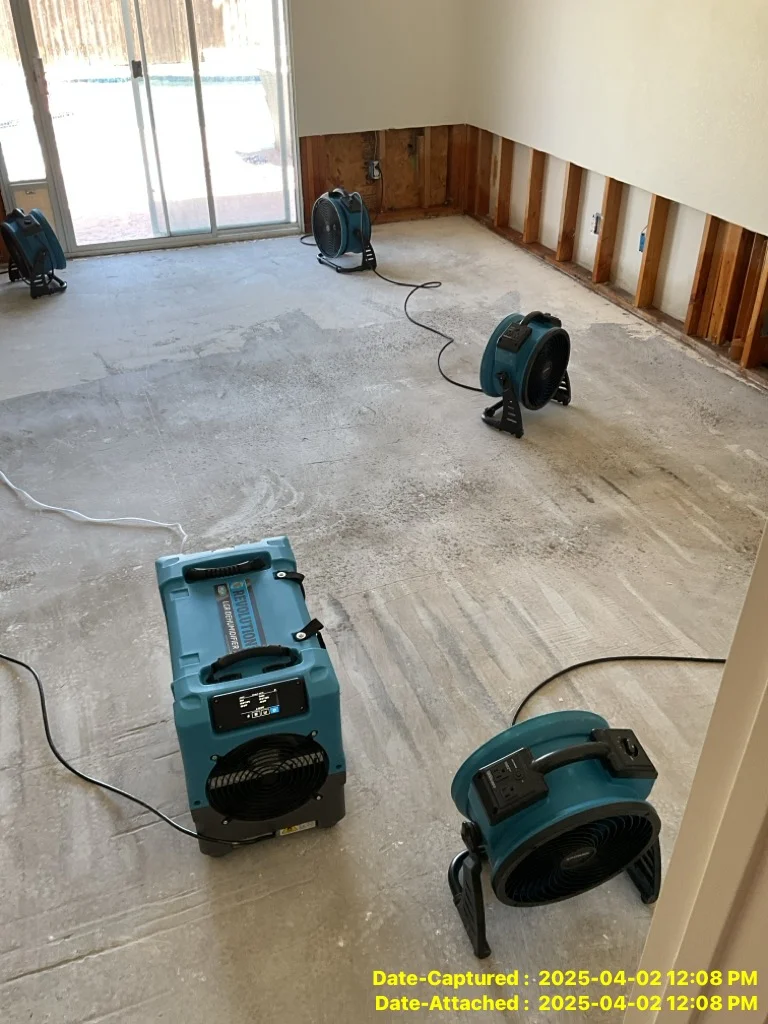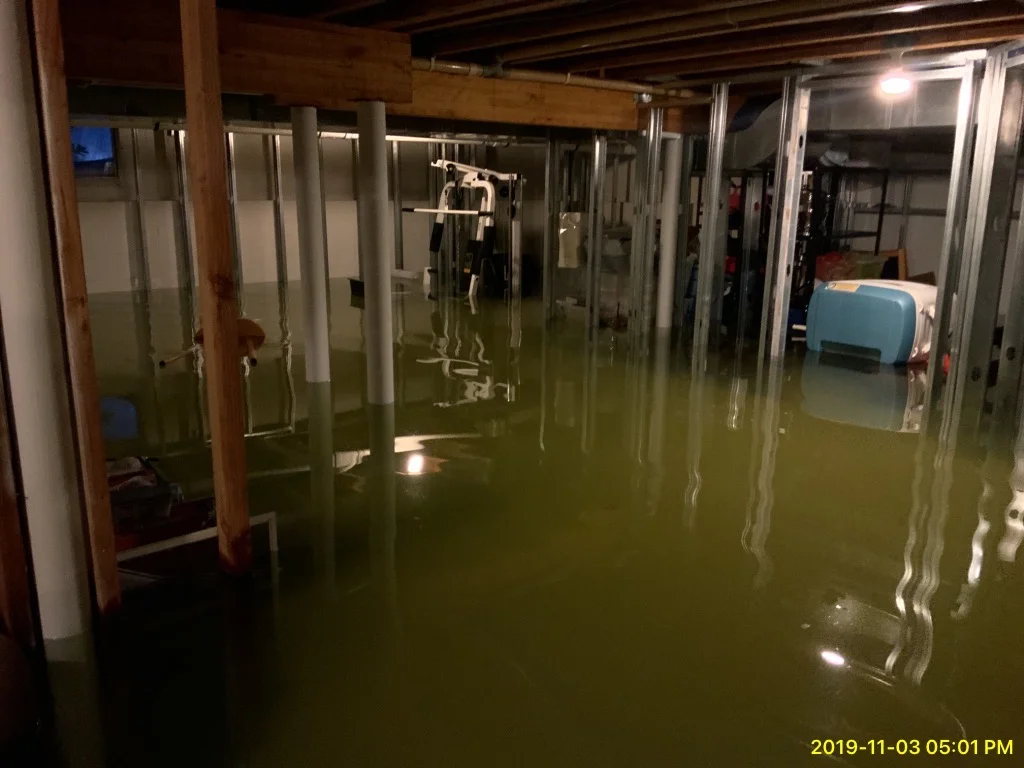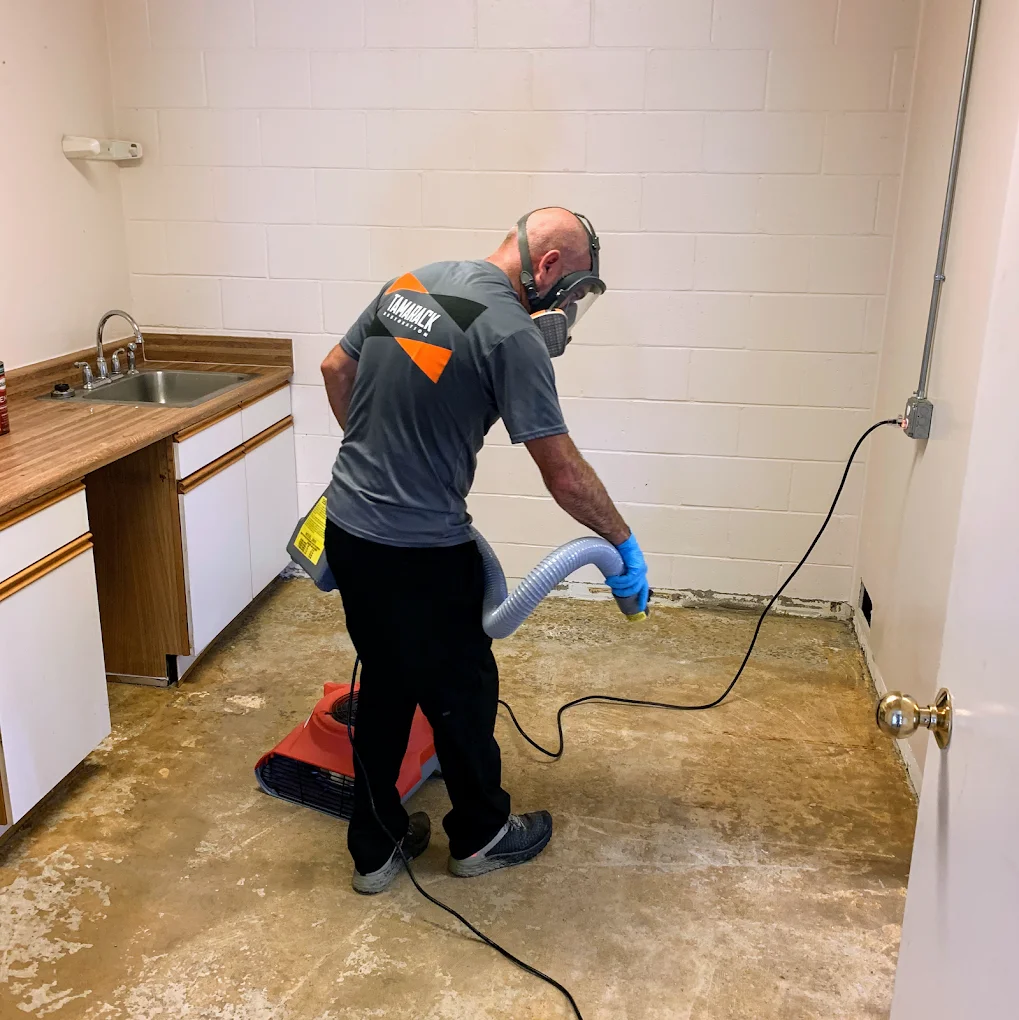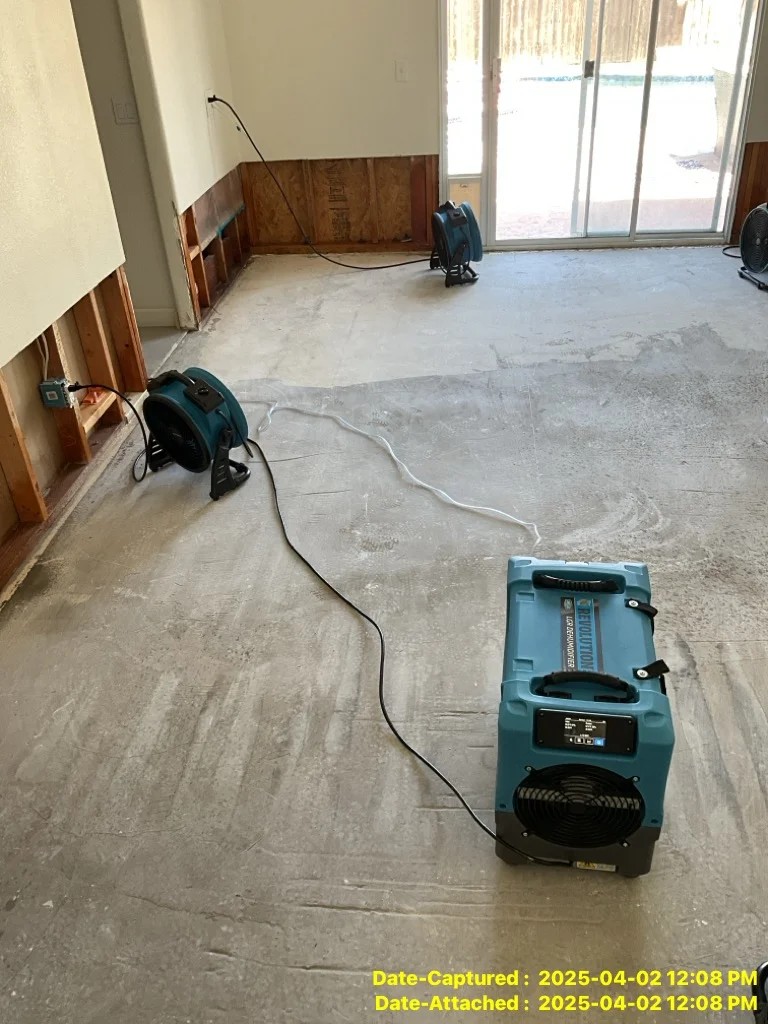
One of the first questions after a water loss is: “How long will drying take?” For many homes, structural drying falls in the 3–5 day range, but that estimate can shift significantly depending on water category, material type, and how quickly mitigation started.
Typical Structural Drying Timeline
Day 1: Stabilization and Extraction
- Source control and safety check
- Water extraction
- Baseline moisture mapping
- Initial equipment placement
Day 2–4: Controlled Drying and Monitoring
- Daily moisture checks
- Airflow and dehumidification adjustments
- Isolation of stubborn wet pockets
Day 5+: Verification and Transition
- Dry standard confirmation
- Documentation completion
- Reconstruction planning handoff
Why Drying Time Varies
Drying duration depends on:
- Material density (drywall vs hardwood vs multi-layer systems)
- How long water remained present
- Hidden moisture migration behind finishes
- Indoor humidity and ventilation conditions
- Contamination class requiring extra controls
”Looks Dry” vs. “Is Dry”
A room can feel dry while moisture remains in framing, subfloor, or insulation. That hidden moisture can cause odor, microbial growth, and future finish failures.
Professional Water Damage Restoration should include measured verification, not just visual checks.
Common Delays That Extend Projects
- Late call after initial incident
- Incomplete source repair
- Premature reconstruction before dry verification
- DIY equipment without moisture tracking
If microbial risk appears during dry-down, escalate to Mold Removal.
Local Money Pages
- Water Damage Restoration in Carlsbad
- Water Damage Restoration in Encinitas
- Water Damage Restoration in San Marcos
- Water Damage Restoration in Vista
Related Reads
- How to Handle Water Damage Emergency in the First 24 Hours
- Top 7 Hidden Costs of Delaying Water Damage Cleanup
Final Takeaway
A realistic timeline comes from measurement, not guesswork. Fast source control, proper equipment strategy, and daily monitoring are what keep drying efficient and reconstruction on schedule.
What Professionals Monitor Daily
A quality drying program does more than “leave fans running.” It includes:
- Daily moisture readings by material zone
- Humidity and airflow adjustments
- Equipment repositioning based on trend data
- Documentation showing progress toward dry goals
Practical Timeline Expectations by Loss Type
- Single-room clean-water events: typically shorter stabilization windows
- Multi-room or delayed events: longer drying plus broader repairs
- Contaminated losses: additional controls that can extend total project timeline
The key is measured progress, not calendar guesses.
Drying Phases in More Detail
Phase 1: Extraction and Stabilization
This phase removes the bulk water load and prevents immediate spread. Decisions made here determine how efficient later drying can be.
Phase 2: Controlled Evaporation
Airflow and dehumidification are balanced so moisture leaves materials without creating new problems in neighboring zones.
Phase 3: Verification and Transition
Moisture readings are compared against dry targets before closing assemblies. This is the quality gate that protects long-term results.
Why Some Rooms Dry Faster Than Others
Drying is not uniform across a house. Differences usually come from:
- Material composition (tile over slab vs engineered wood over underlayment)
- Air movement constraints in enclosed spaces
- Hidden insulation saturation in walls/ceilings
- Equipment placement limitations due to occupancy or layout
This is why two adjacent rooms can show very different drying timelines.
What to Ask During Daily Drying Updates
- What moisture trend are we seeing since yesterday?
- Which areas are drying as expected and which are lagging?
- Are there newly identified wet zones?
- What changes are being made to the equipment plan?
- What conditions must be met before reconstruction starts?
Clear daily answers keep expectations realistic and reduce surprises at handoff.
Rebuild Readiness Criteria
A project is ready for reconstruction when:
- Source repair is confirmed complete
- Target materials meet dry standards
- No active spread or unresolved wet pockets remain
- Scope documentation is complete for next-phase trades
Skipping these checks is one of the top reasons for post-repair callbacks.
How Occupancy Affects Drying Efficiency
Occupied homes can still dry effectively, but equipment strategy must adapt to real-life constraints like access, noise windows, and room usage. The best teams account for this without sacrificing measurement quality.
What “Done Drying” Should Mean in Writing
Ask for a concise closeout statement that confirms:
- source issue addressed,
- drying targets achieved in impacted materials,
- no unresolved active moisture zones,
- project ready for reconstruction handoff.
Written clarity at closeout protects both homeowner expectations and contractor accountability.
When this handoff is vague, post-repair disputes and callbacks become much more likely.