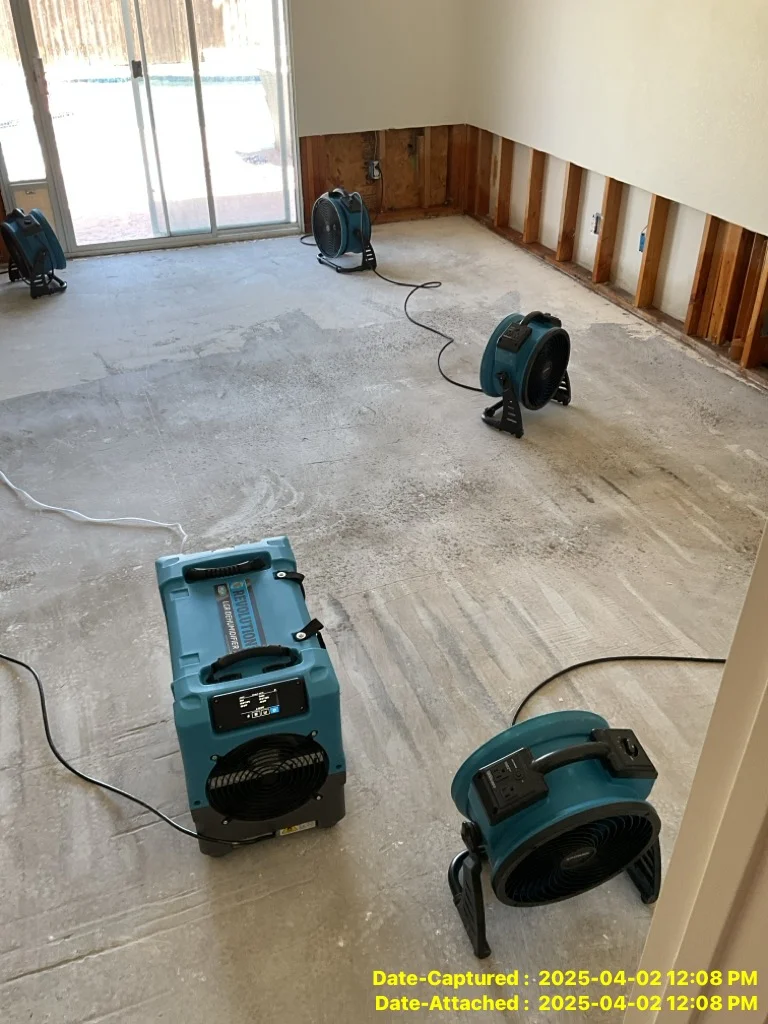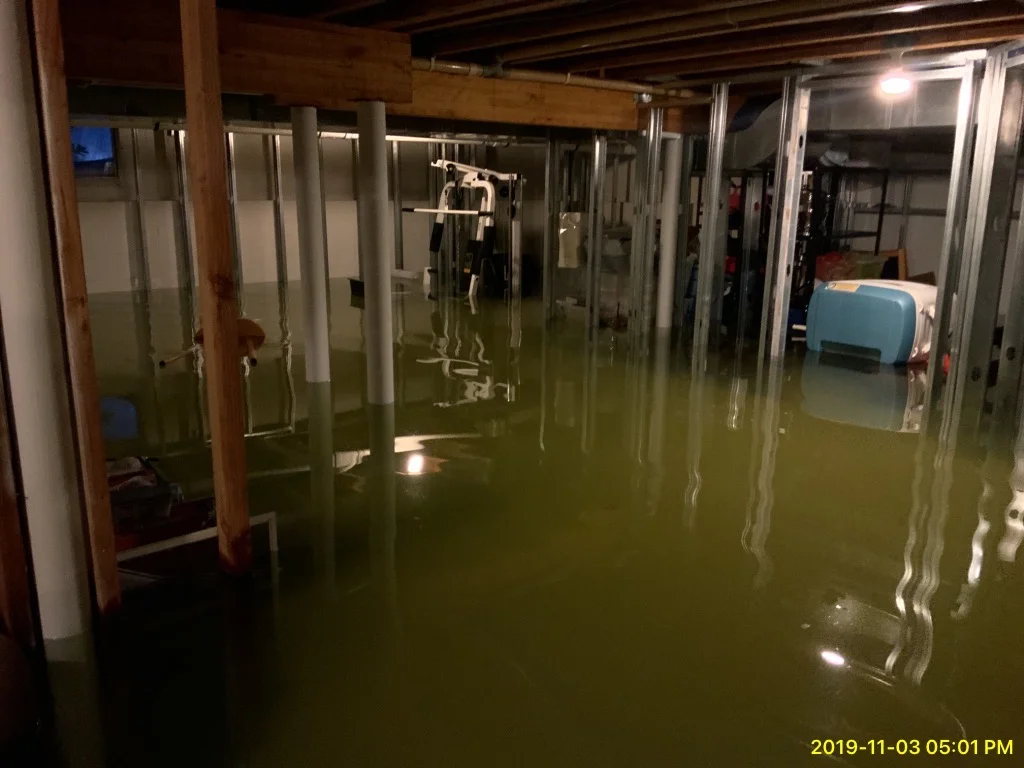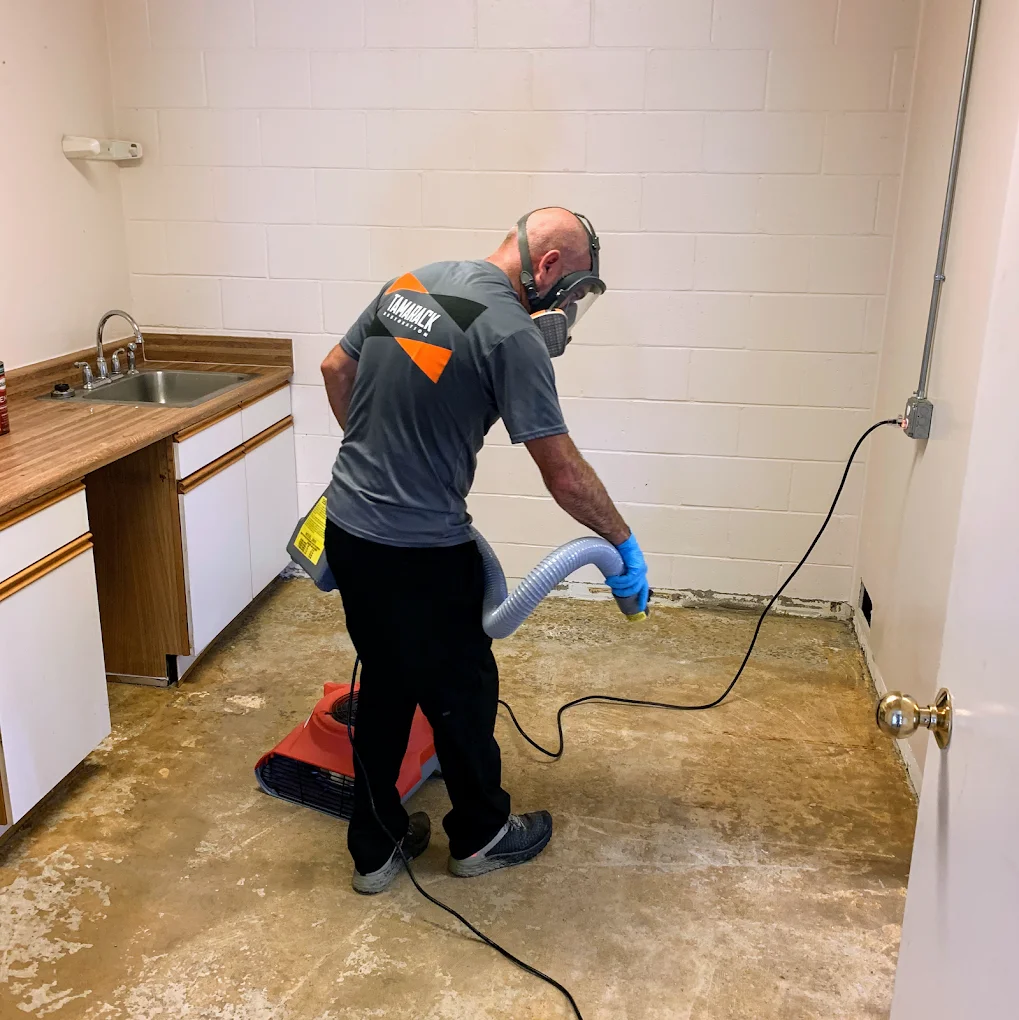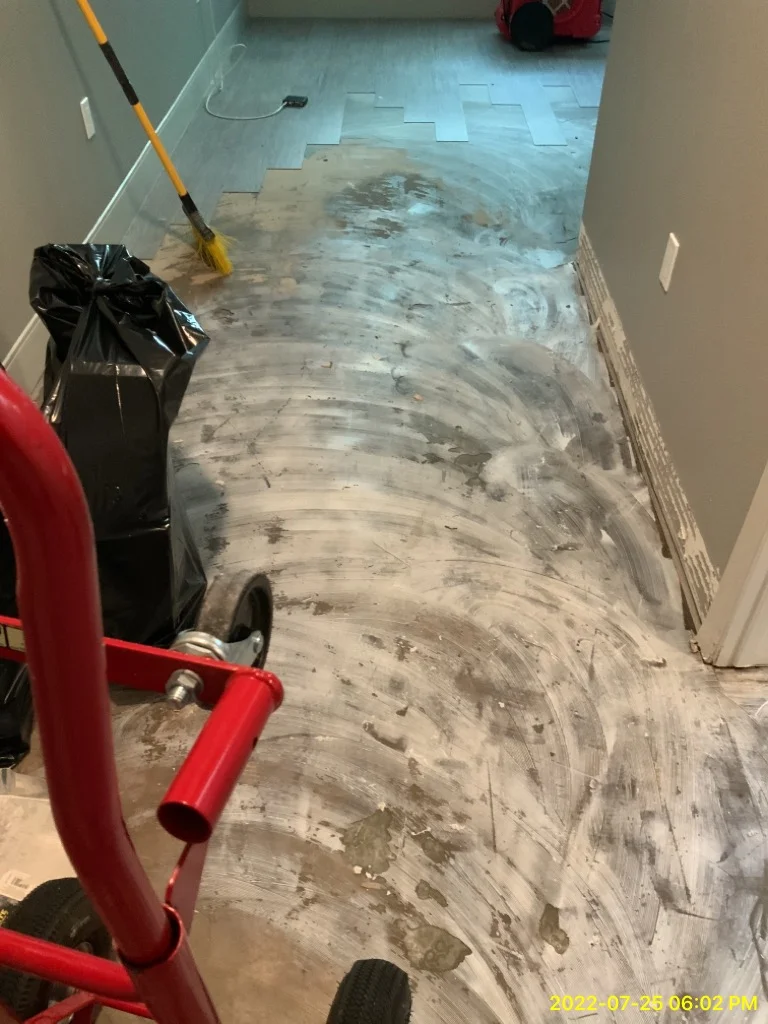
The most expensive water loss is often not the initial event — it is the delayed response. Time allows moisture to spread, materials to degrade, and small repairs to become larger reconstruction projects.
Hidden Cost #1: Secondary Material Failure
Moisture in drywall, trim, cabinetry, and flooring can quickly move materials from salvageable to non-salvageable.
Hidden Cost #2: Expanded Demolition Scope
Late mitigation often requires larger cut-outs and broader replacement boundaries.
Hidden Cost #3: Longer Drying Timeline
More saturation means more equipment runtime, more monitoring days, and more disruption.
Hidden Cost #4: Mold and Microbial Escalation
Delayed dry-down can trigger separate Mold Removal procedures.
Hidden Cost #5: Embedded Odor and IAQ Impacts
Persistent hidden moisture can produce odor issues that require deeper corrective work.
Hidden Cost #6: Insurance Friction
Many policies expect timely mitigation. Delays can complicate claim scope decisions.
Hidden Cost #7: Lifestyle and Productivity Loss
Longer projects increase household disruption, scheduling stress, and possible relocation costs.
The Best-Practice Cost-Control Sequence
- Stop source water safely.
- Start Water Damage Restoration immediately.
- Confirm source fix with Water Leak Repair.
- Document mitigation and drying progression.
- Rebuild only after dry verification.
Final Takeaway
Speed is your most reliable cost-control lever. The sooner you stabilize, document, and dry correctly, the lower your probability of expanded scope and avoidable reconstruction expense.
Delay vs. Immediate Action: Practical Comparison
Immediate mitigation usually means smaller demolition boundaries, shorter drying windows, and clearer claims. Delayed mitigation typically produces hidden moisture spread, higher reconstruction scope, and greater schedule disruption.
Cost Escalation Example: 24 Hours vs 72 Hours
A useful way to understand delay is to compare project paths:
Early Response Path (within first day)
- Smaller wet footprint
- More salvageable finishes
- Shorter drying duration
- Lower reconstruction burden
Delayed Response Path (2–3 days)
- Moisture migration into adjacent assemblies
- Greater probability of demolition expansion
- Higher labor/equipment runtime
- Increased risk of odor and microbial work
The same original incident can produce two very different invoices based on response speed.
Hidden Non-Contractor Costs Homeowners Feel
Beyond direct restoration expense, delays often create:
- Lost work time for appointments and coordination
- Extra childcare or pet-care logistics
- Temporary housing stress and transportation impacts
- Ongoing uncertainty from stop/start project changes
These are real costs even when they don’t appear on a contractor estimate.
How to Minimize Total Loss Cost
- Stop source and call mitigation immediately.
- Document conditions before major disturbance.
- Use measurement-based drying, not appearance-based assumptions.
- Confirm source repair before reconstruction begins.
- Keep one organized file for claim and project records.
Red Flags That Delay Is Already Increasing Scope
- New rooms becoming affected after initial discovery
- Odor intensity increasing over time
- Baseboards/flooring continuing to deform
- Reappearing stains after basic drying attempts
If these are present, treat the loss as escalating and move to full professional mitigation.
Case Pattern: Why “Wait and See” Usually Fails
The wait-and-see approach feels reasonable in the moment, especially when visible water appears to stop. The problem is that moisture behavior is often delayed and hidden. By the time warning signs become obvious, damage has usually expanded into assemblies that are more expensive to restore.
Better Response Habit for Future Incidents
Use this simple rule: if moisture source is unclear or materials are wet beyond the surface, assume professional mitigation is required and act immediately.
A repeatable habit for homeowners:
- stop source,
- document quickly,
- call mitigation,
- confirm source repair,
- verify dryness before rebuild.
Consistency in this sequence is what keeps small incidents from becoming high-cost projects.
Contractor Selection Matters to Cost Control
Even with fast response, project cost can drift if scope communication is weak. Choose teams that explain assumptions, document changes in writing, and provide measurable progress updates. Transparency reduces surprise charges and improves trust during stressful timelines.
Final Cost-Control Reminder
If your goal is lower total cost, speed and documentation are your two strongest tools. Fast mitigation limits spread, and clear records keep scope decisions grounded in evidence.
Project Discipline Prevents Rework
Clear sequencing, documented scope changes, and verified drying before rebuild are the foundation of lower total-loss cost.
Final Homeowner Action
Treat uncertain moisture like active risk until qualified inspection confirms otherwise. That mindset prevents costly delay decisions.