Many homeowners hear “you have a leak” and assume the fix is simple. But there is a major difference between a slab leak and a standard pipe leak. Misidentifying the source often causes delayed mitigation, higher repair cost, and recurring moisture issues.
Quick Difference
- Slab leak: Water escapes from plumbing under or within slab-adjacent foundation paths.
- Pipe leak (non-slab): Water escapes from accessible or semi-accessible lines in walls, fixtures, attics, or cabinets.
Understanding the difference early helps choose the right repair and mitigation plan.
Slab Leak Warning Signs
- Warm or damp floor areas with no obvious source.
- Unexplained increase in water bill.
- Moisture at baseboards away from plumbing fixtures.
- Flooring distortion in isolated but persistent zones.
If these apply, request Water Leak Repair diagnostics immediately.
Non-Slab Pipe Leak Warning Signs
- Active drips at exposed valves or supply lines.
- Wall staining near bathrooms and kitchens.
- Cabinet swelling around sinks/appliances.
- Intermittent pressure drops at fixtures.
Why Diagnosis Speed Matters
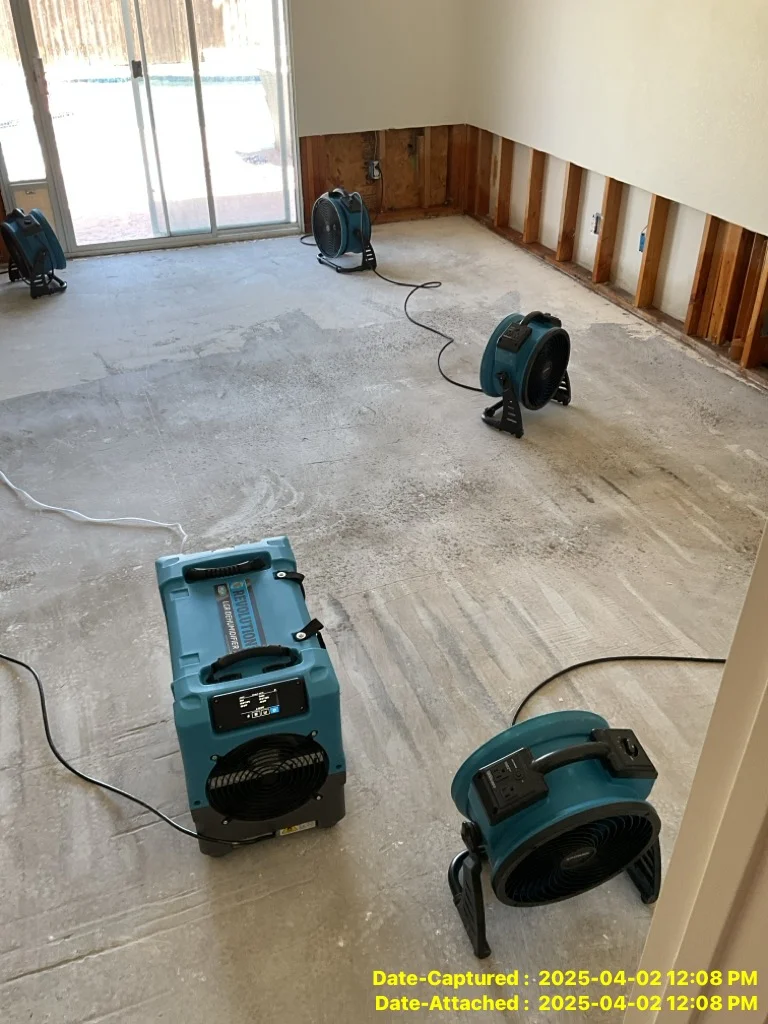
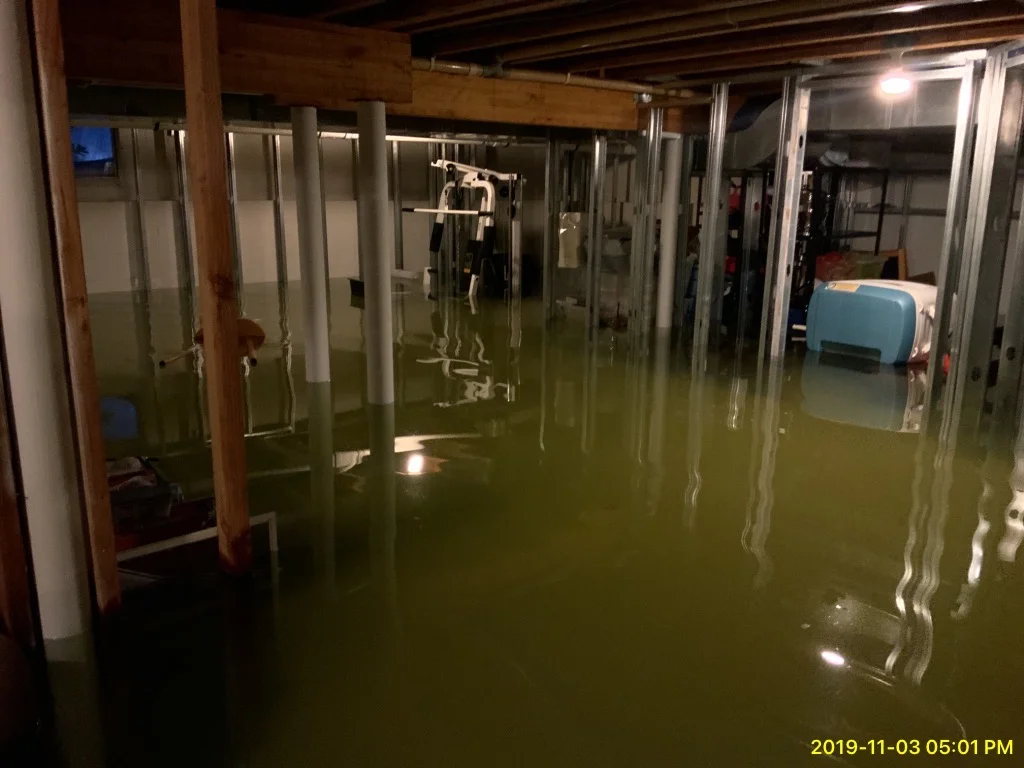
Leaks do not wait for scheduling convenience. Delay allows moisture to migrate under flooring and behind walls, often converting a plumbing repair into a broader Water Damage Restoration project.
Cost Drivers Homeowners Should Understand
Cost is less about the word “leak” and more about these variables:
- Location accessibility (easy access vs. concealed path).
- Time to mitigation after leak start.
- Material saturation depth in drywall, flooring, cabinetry.
- Need for mold controls via Mold Removal.
- Rebuild scope after dry-down is complete.
For broader numbers, read How Much Does Water Damage Restoration Cost in San Diego County?.
Recommended Response Workflow
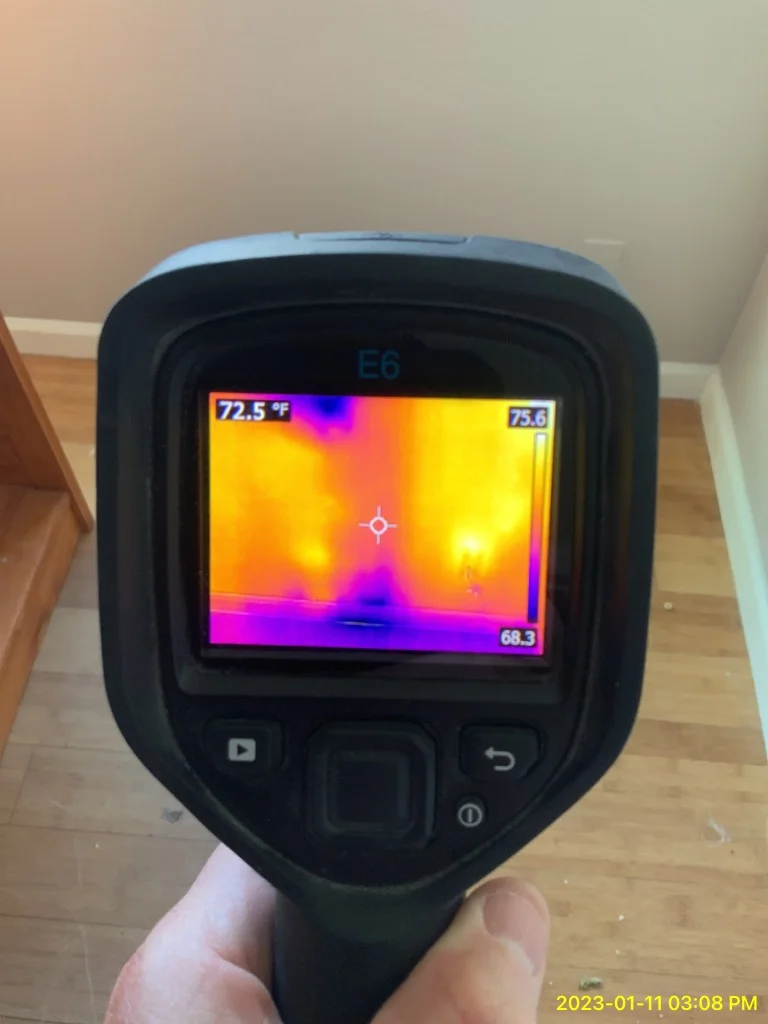
- Confirm source with non-invasive diagnostics where possible.
- Stop active water flow.
- Document all affected finishes and content conditions.
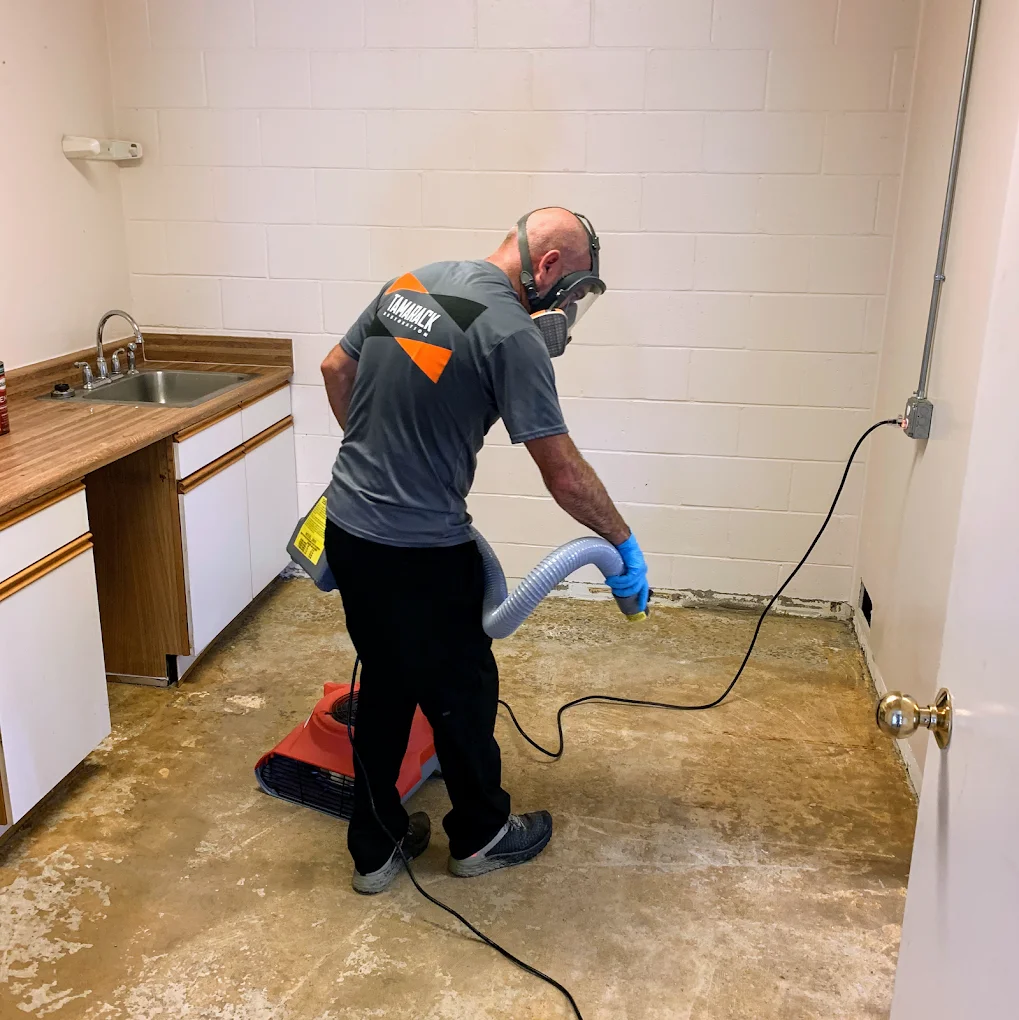
- Start mitigation and moisture mapping.
- Execute plumbing repair path.
- Verify dryness before reconstruction.
Encinitas and Nearby Local Pages
- Water Damage Restoration in Encinitas
- Water Damage Restoration in Carlsbad
- Water Damage Restoration in San Marcos
Mistakes That Increase Total Cost
- Treating unexplained moisture as minor condensation.
- Repairing pipe source but skipping structural drying.
- Closing walls before moisture verification.
- Ignoring musty odor after “repair complete.”
Final Takeaway
Correct leak classification is one of the highest-value decisions in the first day of a water event. Fast diagnostics, documented mitigation, and full dry verification are what keep a leak from becoming a long and expensive restoration cycle.
Field-Proven Questions to Ask Before Approving Repairs
Before approving a repair scope, ask:
- What evidence confirms slab leak vs non-slab leak?
- Has lateral moisture migration been mapped?
- What drying verification is required before closing finishes?
- Is source repair expected to prevent recurrence?
- What reconstruction is necessary after dry standard is met?
Advanced Diagnostic Clues Homeowners Overlook
Some leak symptoms are subtle and easy to dismiss. Watch for these patterns:
- Persistent moisture near floor transitions even after surface drying
- Recurring paint bubbling at the same wall section
- Odor returning after temporary cleaning
- Intermittent pressure shifts tied to time of day or fixture use
A repeated pattern usually indicates unresolved source conditions, not random moisture.
Repair Strategy: Why One Size Does Not Fit All
Depending on leak type and location, repair pathways differ:
- Targeted accessible repair for isolated non-slab lines
- Broader route correction when pipe condition indicates systemic risk
- Combined plumbing + mitigation sequence when spread has already occurred
The best strategy balances source reliability with minimal disruption, then confirms dryness before closure.
Reconstruction Planning After Leak Mitigation
Homeowners should expect reconstruction decisions to be based on measurable outcomes:
- Which materials failed and must be replaced
- Which surfaces are structurally dry and salvageable
- Whether odor or microbial risk remains
- What finish matching is realistic for flooring/cabinetry/paint
A clear rebuild plan prevents partial fixes that later require reopening walls or floors.
Communication Best Practices During the Project
To avoid confusion across trades and insurance:
- Keep one written timeline of source repair, mitigation, and drying milestones
- Request updated scope notes when new damage is identified
- Confirm who owns each step (plumber vs mitigation vs reconstruction)
- Save all change records and approvals in one place
This improves both execution quality and claim consistency.
Budget Planning: What to Set Aside
Homeowners usually budget too narrowly for leak events. A more realistic planning approach includes:
- source diagnosis and repair,
- mitigation and drying,
- possible material removal,
- reconstruction and finish restoration,
- contingency for hidden findings.
Building a contingency buffer helps prevent rushed decisions when additional affected areas are discovered mid-project.
Quality Control Questions at Project Closeout
Before signing off, ask:
- Were all affected zones measured and verified dry?
- Are there any unresolved odor or moisture indicators?
- Is documentation complete for both source repair and restoration phases?
- What maintenance steps reduce recurrence risk?
These final checks are one of the best defenses against repeat issues after leak events.