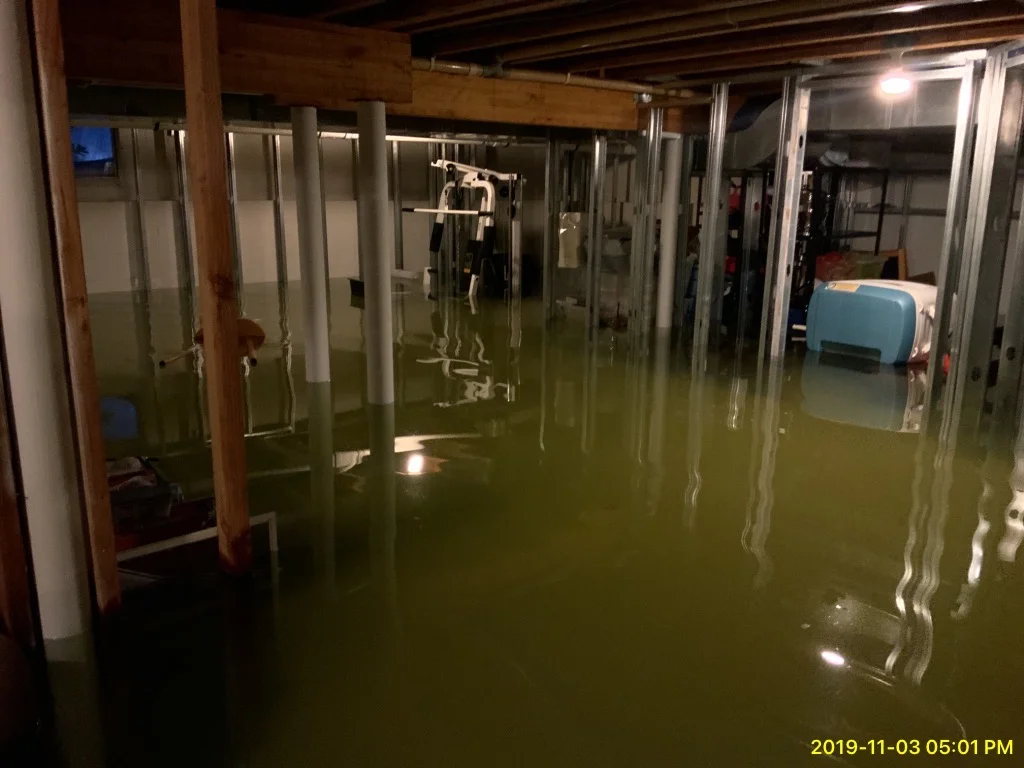
If water is actively entering your home, the first 60 minutes determine whether the loss stays manageable or turns into a high-cost reconstruction project. In Carlsbad, we regularly see two similar losses end very differently based on how quickly the homeowner controls the source, documents conditions, and starts professional mitigation.
If you need immediate help now, start here: Water Damage Restoration in Carlsbad.
Quick Answer: What Should You Do First?
- Protect people from electrical and slip hazards.
- Stop the water source if it is safe.
- Document damage before major cleanup begins.
- Start emergency mitigation and moisture control.
- Bring in professional structural drying and leak diagnostics.
Those five steps align with both restoration best practices and insurance claim expectations.
Minute 0–10: Safety and Source Control
Your first priority is safety, not cleanup speed.
- Avoid rooms with sagging ceilings, active drips through light fixtures, or water near outlets.
- Shut off the nearest valve or main line when possible.
- If electrical risk is present, isolate power to the affected area only if safe.
- Keep pets and children out of wet zones.
If you cannot identify the source quickly, request Water Leak Repair immediately. Hidden slab and wall leaks can keep feeding water while the visible area seems stable.
Minute 10–25: Prevent Secondary Damage
Once active flow is controlled, reduce spread:
- Move electronics, documents, and valuables to dry rooms.
- Put foil or blocks under furniture legs.
- Remove wet rugs, runners, and textiles.
- Create a designated traffic lane so contamination is not spread through the home.
This step is where many homeowners lose time. They focus on towels and mops while moisture continues migrating into baseboards, drywall cavities, and subfloor assemblies.
Minute 25–40: Capture Insurance-Ready Documentation
Before tearing out material or moving too much furniture, create evidence quality documentation:
- Wide-angle photos of each impacted room.
- Close-up images of water lines, staining, and damaged finishes.
- Video walkthrough with date/time context.
- A basic log of when you discovered the issue and what actions were taken.
For coverage context, review Does Homeowners Insurance Cover Water Damage?.
Minute 40–60: Start Professional Mitigation
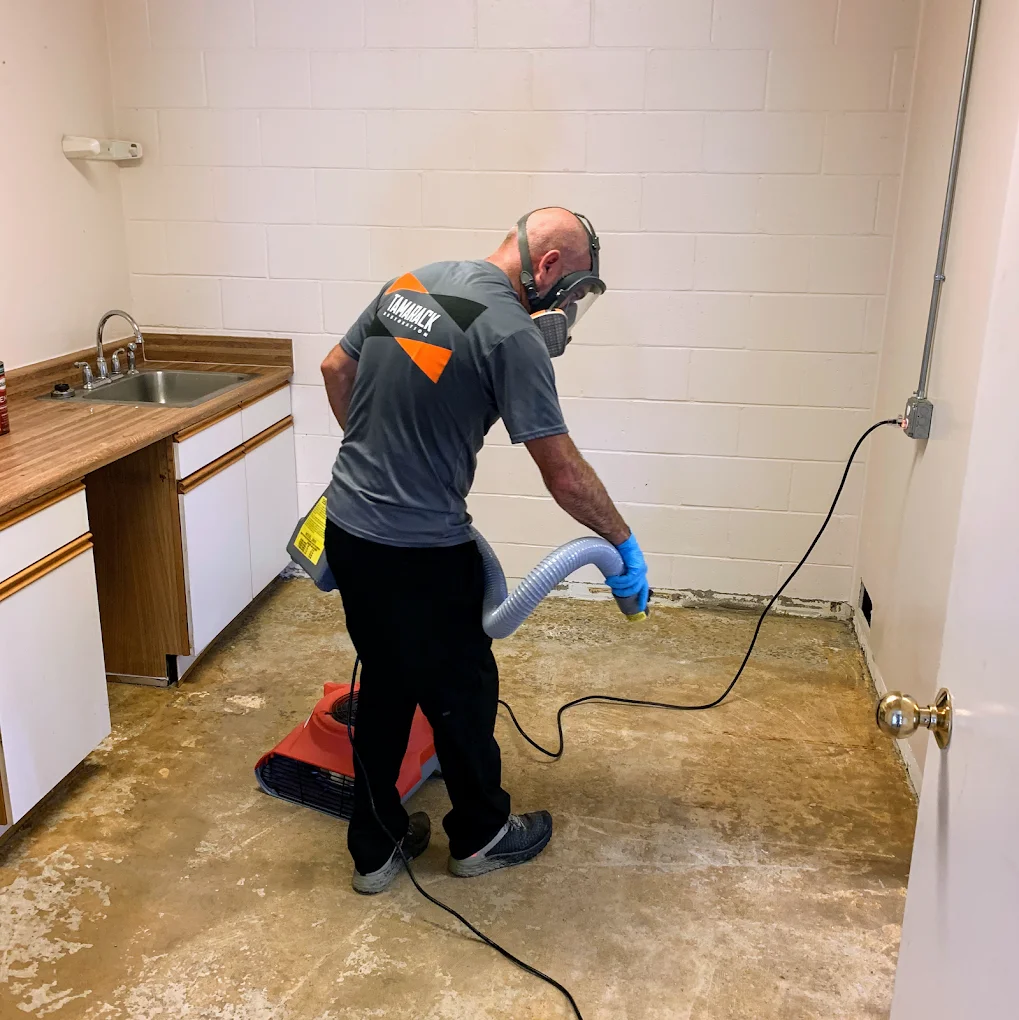
At this stage, most losses need more than homeowner-level airflow.
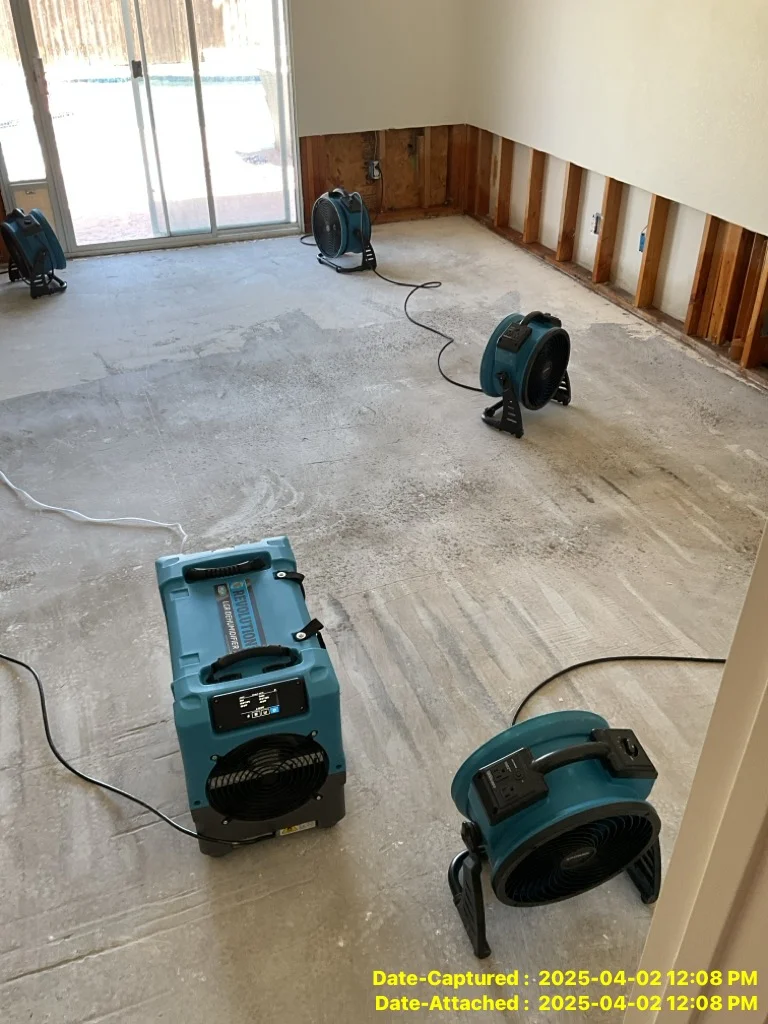
Professional Water Damage Restoration should include:
- Moisture mapping across visible and hidden assemblies.
- Extraction plus targeted dehumidification.
- Daily monitoring and drying adjustments.
- Documentation suitable for claim and scope review.
Nearby city pages for fast dispatch:
- Water Damage Restoration in Oceanside
- Water Damage Restoration in Encinitas
- Water Damage Restoration in Vista
Why Fast Action Saves Money
Homeowners often ask whether waiting a day really matters. In practice, delay increases cost in four ways:
- Larger demolition scope once moisture spreads behind finishes.
- Longer drying timeline and more equipment runtime.
- Higher mold risk requiring separate remediation workflows.
- Insurance friction around preventable secondary loss.
For pricing context, see How Much Does Water Damage Restoration Cost in San Diego County?.
Common First-Hour Mistakes to Avoid
- Waiting to call professionals until after visible water is gone.
- Painting or patching before moisture is verified dry.
- Throwing out damaged contents before photographing and listing them.
- Running HVAC aggressively through wet/contaminated zones.
- Assuming one fan in one room is enough for structural drying.
Common Emergency Scenarios We See in Carlsbad Homes
- Emergency water damage restoration after upstairs toilet overflow.
- Burst pipe water damage cleanup in slab-on-grade homes.
- Ceiling leak emergency response after roof intrusion.
- Fast mitigation to prevent mold after water damage.
These are high-intent scenarios where speed and process quality matter more than cosmetic quick fixes.
Final Takeaway
The first hour is not about making the home look dry. It is about safety, source control, documentation, and professional mitigation. If you act quickly and follow a structured process, you greatly improve both restoration outcomes and claim clarity.
Expert Checklist for Carlsbad Homeowners
Use this decision checklist during any emergency water damage restoration in Carlsbad:
- Confirm source is fully stopped, not temporarily slowed.
- Verify moisture mapping includes adjacent rooms, not only visible wet spots.
- Ask for documented drying targets and daily progress notes.
- Confirm whether any materials are salvageable vs. non-salvageable.
- Ensure insurance communication is synchronized with mitigation milestones.
Local Risk Patterns We Commonly See
In North County homes, fast-moving interior leaks often spread into: kitchen toe-kicks, wall-bottom plates, and laminate transitions that look dry on top but remain wet underneath. This is why “surface dry” and “structurally dry” are not the same outcome.
When response is delayed, projects can shift from targeted extraction to mixed demolition, odor control, and microbial mitigation. Acting early limits this cascade.