“Will my insurance cover this?” It’s the first question most homeowners ask after discovering water damage. The answer depends on what caused the water damage, how your policy is written, and how quickly you respond. Here’s a straightforward breakdown.
The General Rule
Homeowners insurance typically covers water damage that is sudden and accidental. It generally does not cover water damage that results from gradual deterioration, lack of maintenance, or flooding.
That distinction—sudden vs. gradual—is the most important concept in water damage insurance coverage.
What’s Usually Covered
Sudden Pipe Bursts
If a pipe bursts unexpectedly, your homeowners policy will typically cover the resulting water damage. This includes:
- Extraction and drying of affected areas
- Replacement of damaged drywall, flooring, and other materials
- Repair or replacement of damaged personal property
- Mold remediation if it results from the covered water event
The pipe repair itself may or may not be covered depending on your policy. Many policies cover the damage caused by the burst but not the plumbing repair.
Appliance Failures
Water damage from a sudden appliance malfunction is generally covered:
- Washing machine hose rupture
- Dishwasher line failure
- Water heater tank rupture
- Refrigerator ice maker line break
Accidental Overflows
Overflowing bathtubs, toilets (clean water), and sinks are typically covered when the overflow is accidental.
Storm Damage
Water intrusion from wind-driven rain (through a damaged roof or broken window during a storm) is usually covered under windstorm provisions. If a storm damages your roof and rain gets in, that water damage is typically a covered loss.
Firefighting Water
Water damage from firefighting efforts is covered as part of a fire damage claim, even if the fire itself was minor.
What’s Usually NOT Covered
Gradual Leaks and Seepage
This is where most coverage denials happen. If a pipe has been slowly leaking for weeks or months, the resulting damage is typically excluded. Insurance companies classify this as a maintenance issue, reasoning that the homeowner should have discovered and repaired the leak.
The key question: Was the damage sudden, or did it develop over time?
Flood Damage
Standard homeowners insurance does not cover flood damage. Flooding is defined as water that enters your home from outside at ground level—rain accumulation, storm surge, rising rivers, or overflowing drainage systems.
For flood coverage, you need a separate flood insurance policy through the National Flood Insurance Program (NFIP) or a private flood insurer.
Important for North San Diego County: Even if you don’t live in a designated flood zone, intense rain events can cause localized flooding. Consider whether separate flood coverage makes sense for your property.
Sewer Backup
Standard policies typically exclude sewer and drain backup damage. However, many insurers offer a sewer backup endorsement (sometimes called “water backup coverage”) that you can add to your policy for a relatively small additional premium—often $50-100 per year.
Given that sewer backups are one of the most common and destructive water damage events, this endorsement is worth adding.
Maintenance Neglect
If the insurance company determines that damage resulted from failure to maintain your property, the claim may be denied. Examples include:
- A roof that should have been replaced years ago
- Corroded pipes that were visibly deteriorating
- Foundation cracks that were never addressed
- Gutters that were clogged and caused water intrusion
Ground Water Seepage
Water seeping through the foundation from underground sources (high water table, poor drainage) is generally excluded as it’s considered a construction or maintenance issue.
The Gray Areas
Slab Leaks
Slab leaks fall into a complicated category. If a pipe under your slab suddenly fails, the resulting water damage is typically covered. However, if the pipe has been gradually corroding (common in older homes), the insurer may argue it’s a maintenance issue.
Tip: If you suspect a slab leak (warm spots on the floor, unexplained water bill increases), have it inspected promptly. Demonstrating that you discovered and reported the issue quickly strengthens a coverage argument.
Mold From Water Damage
Mold coverage depends on the source:
- Mold from a covered water event (burst pipe, appliance failure) — typically covered, though many policies cap mold coverage at $5,000-$25,000
- Mold from a non-covered event (gradual leak, humidity) — typically not covered
- Mold from neglect (failing to dry after a covered event) — may be denied
The critical factor is acting quickly. If you have a covered water event and mold develops because you waited too long to begin restoration, the insurer may deny the mold portion of the claim.
How to Maximize Your Water Damage Claim
1. Act Immediately
Policies require you to mitigate further damage. Don’t wait for insurance approval to begin emergency measures. If you have standing water, you should be extracting it now—not waiting for an adjuster.
2. Document Before Cleanup
Before you touch anything:
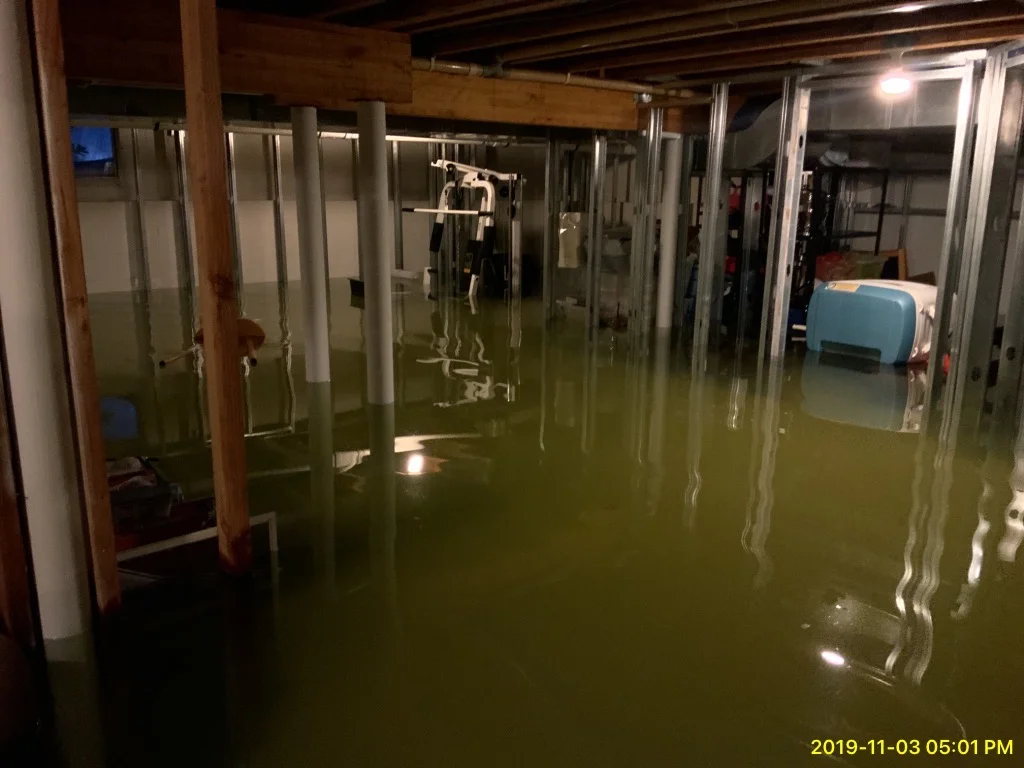
- Take photos and videos of all damage
- Record the water source
- Note dates and times
- Keep damaged items for the adjuster to see
3. Hire a Professional Restoration Company
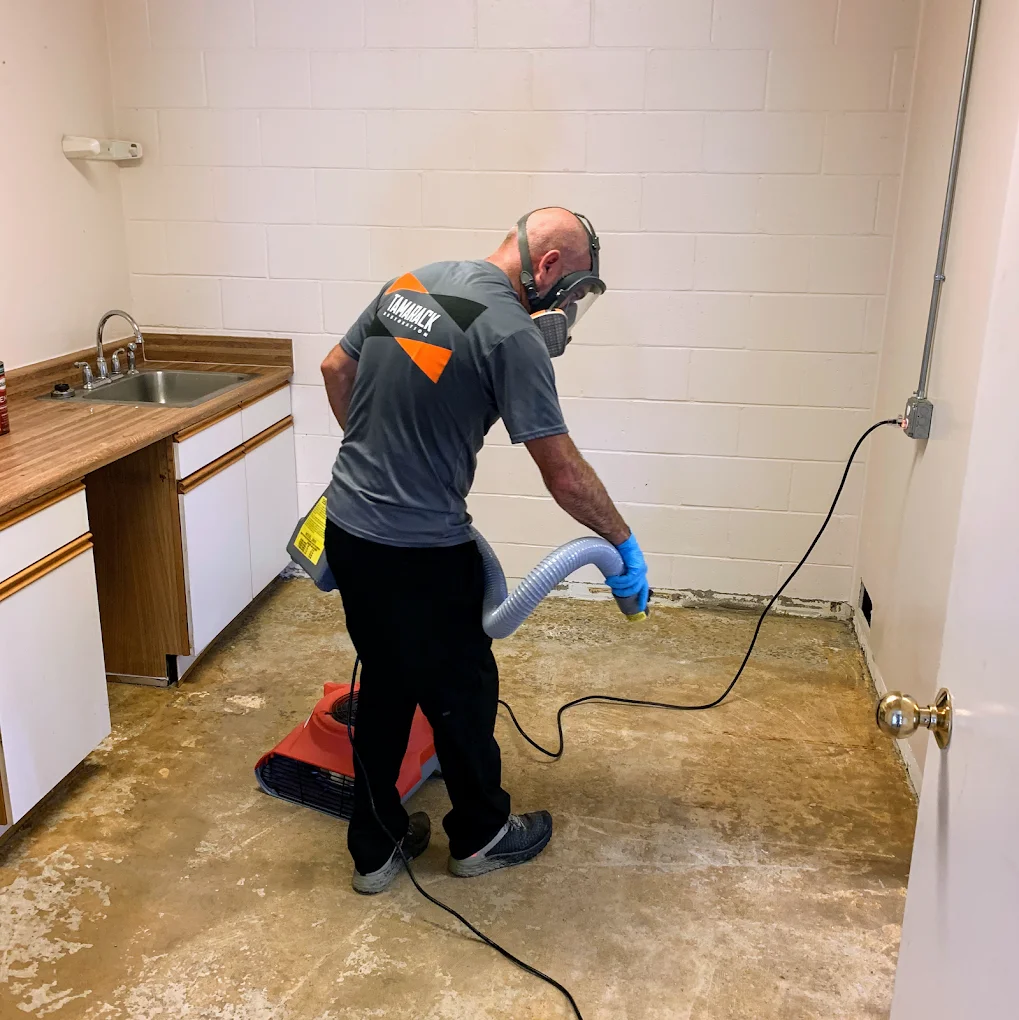
Professional restoration companies provide documentation that insurance companies recognize and rely on:
- Moisture readings throughout the property
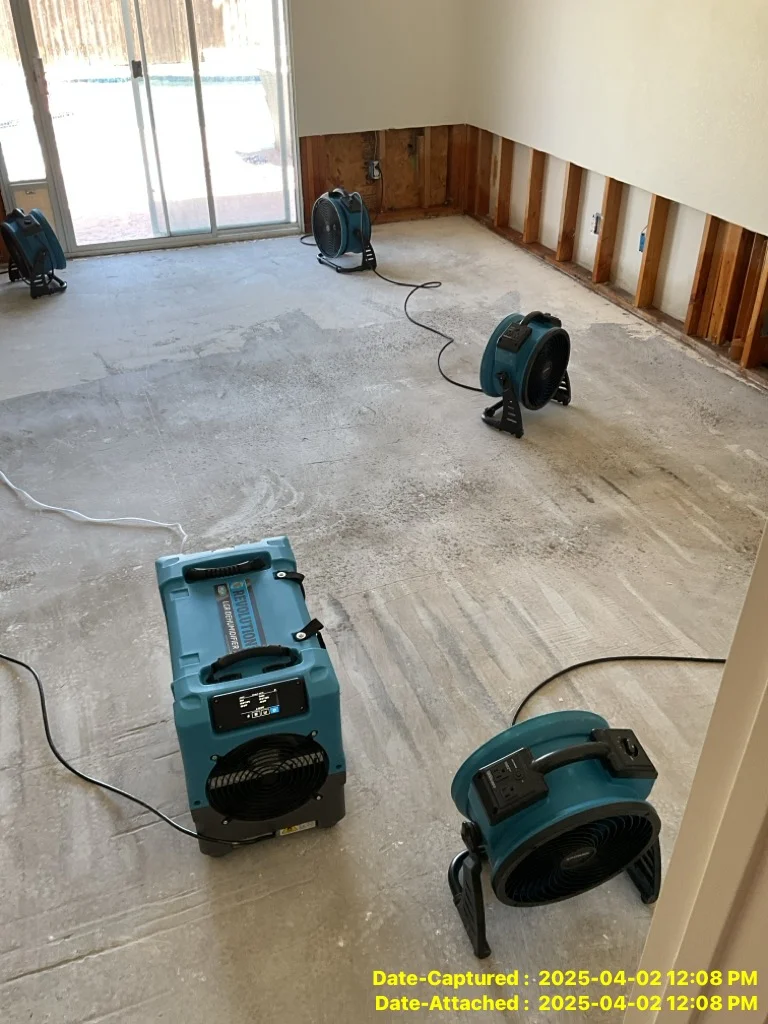
- Photo documentation of the drying process
- Detailed scope of work with line-item costs
- Industry-standard drying protocols
This documentation supports your claim and often results in faster approval.
4. Understand Your Deductible
Your deductible applies per incident, not per category of damage. A burst pipe that damages floors, walls, and furniture is one incident with one deductible—not three separate deductibles.
5. Know the Difference Between ACV and RCV
- Actual Cash Value (ACV): Pays the depreciated value of damaged items
- Replacement Cost Value (RCV): Pays to replace items at current prices
If you have RCV coverage, you typically receive an initial payment at ACV, then the difference (called the “recoverable depreciation”) after you complete repairs and submit receipts.
6. Keep All Receipts
Save receipts for everything related to the loss:
- Emergency hotel stays
- Meals while displaced
- Replacement clothing or necessities
- Restoration company invoices
- Any temporary repairs you made
Filing a Water Damage Claim: Step by Step
- Stop the water source if possible
- Document all damage with photos and video
- Call your insurance company to report the claim
- Call a restoration company for emergency mitigation
- Meet with the adjuster (your restoration company should be present)
- Review the estimate — compare the insurer’s estimate with your restoration company’s scope
- Approve the work and begin restoration
- Submit final invoices for reimbursement of any remaining amounts
Common Claim Mistakes to Avoid
- Waiting too long to file — most policies require prompt reporting
- Cleaning up before documenting — you need evidence of the damage
- Throwing away damaged items before the adjuster sees them
- Accepting the first estimate without comparing it to a professional restoration scope
- Not reading your policy — know what you’re entitled to before negotiating
- Failing to mitigate — your policy requires you to prevent further damage
We Work With All Major Insurance Companies
At Tamarack Restoration, we work with State Farm, Allstate, Farmers, USAA, Liberty Mutual, and all other carriers in the North San Diego County area. We handle the documentation, communicate with adjusters, and ensure your restoration is covered to the fullest extent of your policy.
Need water damage restoration? Call (760) 500-2211 for 24/7 emergency service throughout Carlsbad, Oceanside, Encinitas, Vista, and San Marcos.