One of the most important practical questions during a restoration project is whether you can stay in the home. The right answer depends on safety, contamination level, project scope, and household health considerations.
Short Answer
- Sometimes yes for limited clean-water losses with strong containment.
- Often no for contaminated events, large demolition zones, or sensitive occupants.
When Staying Is Usually Feasible
- Loss is limited to a contained area.
- Work zone can be isolated effectively.
- No active electrical or structural hazards remain.
- Essential living functions are still available.
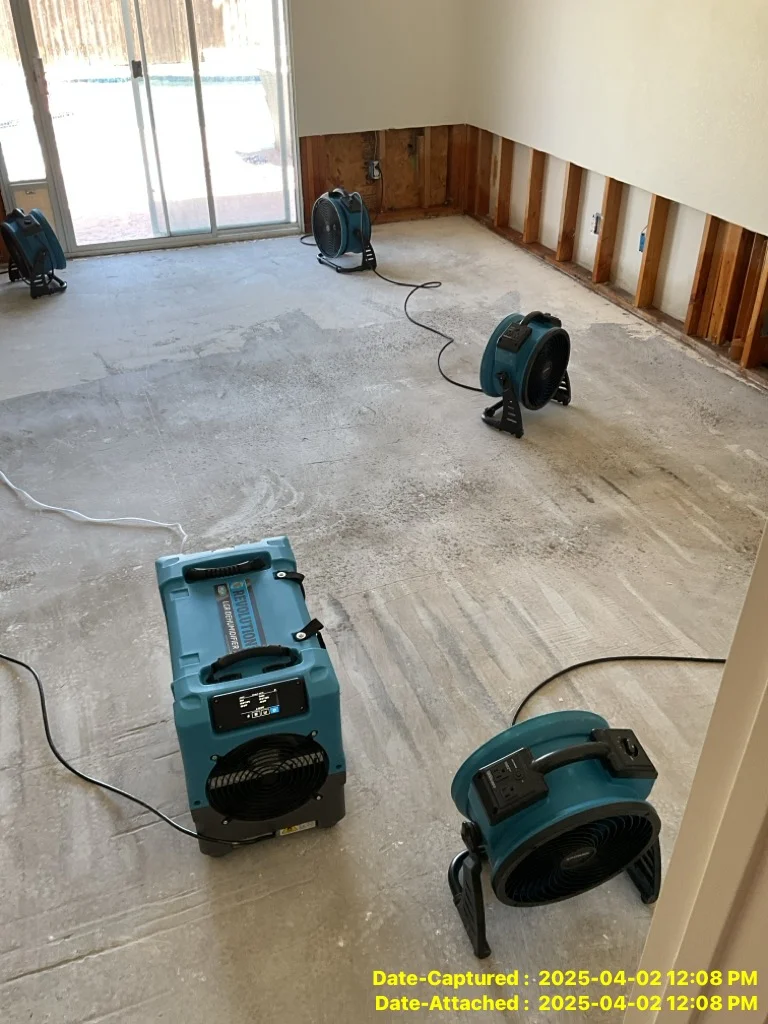
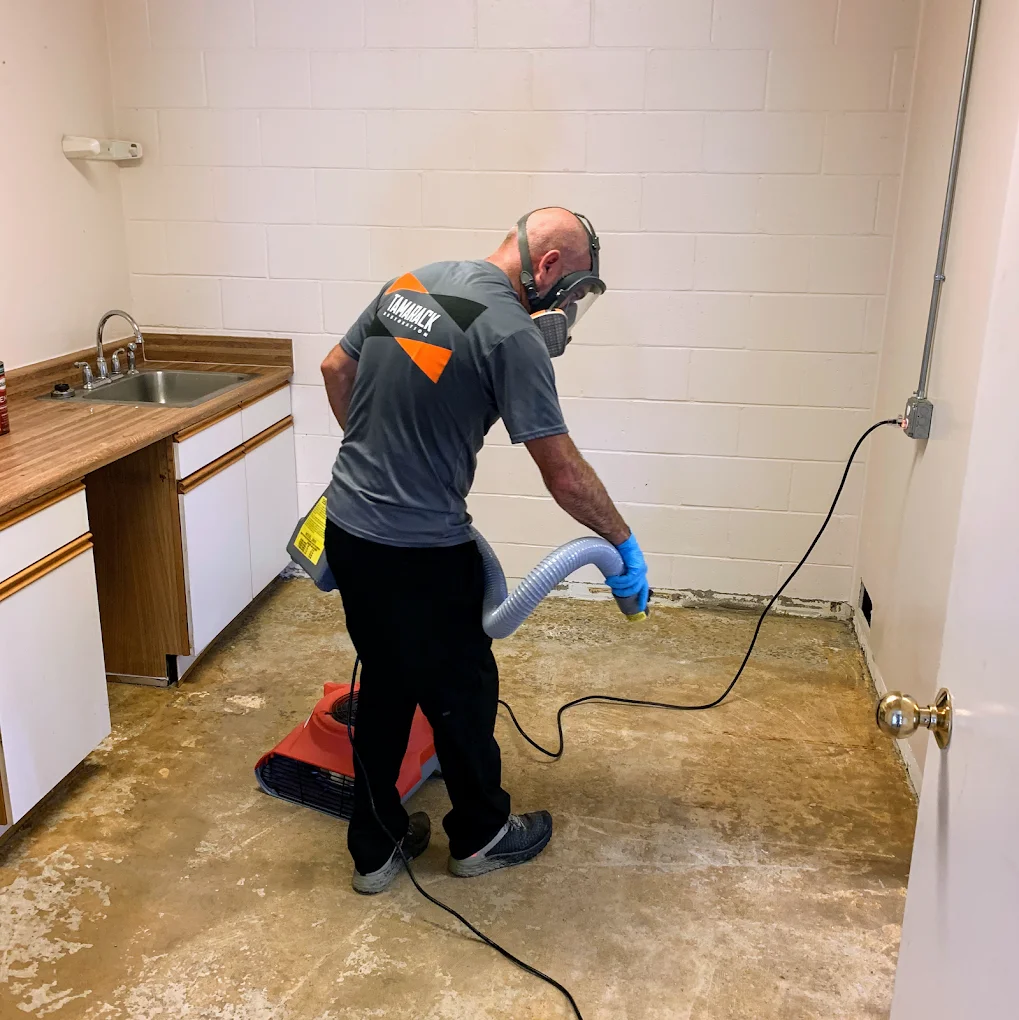
In these cases, Water Damage Restoration can often proceed with partial occupancy.
When Temporary Relocation Is Safer
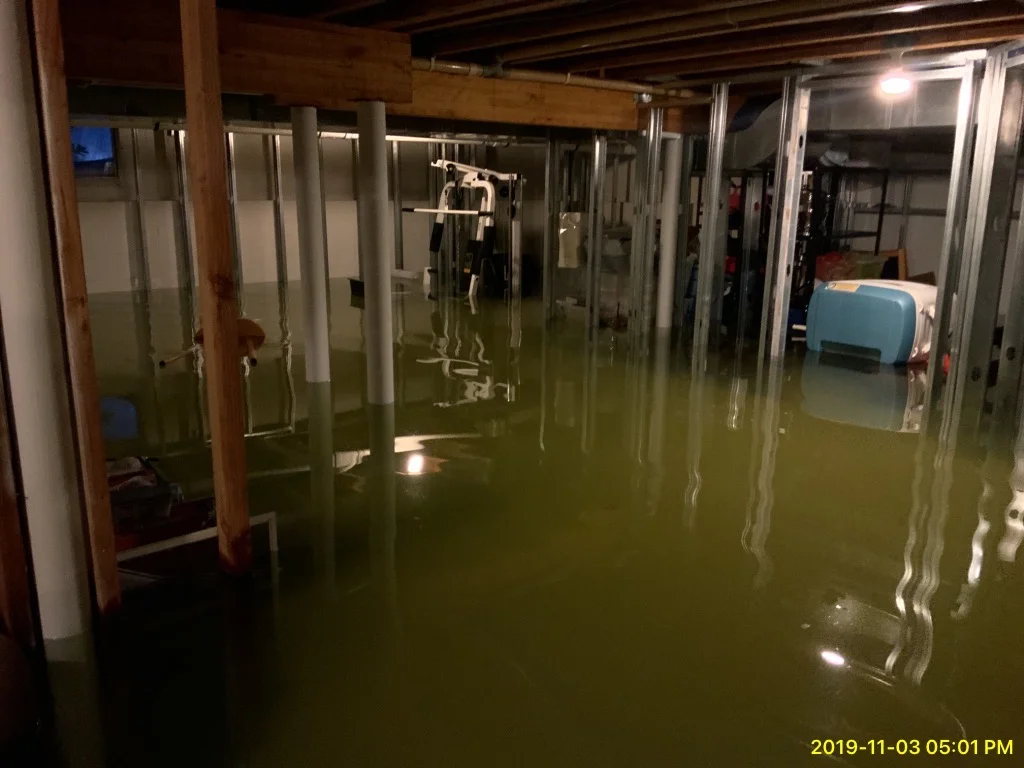
- Category 2 or 3 water events
- Sewage contamination concerns
- Significant microbial activity requiring containment
- Demolition in core areas like kitchen/main bathrooms
- Household members with respiratory or immune vulnerabilities
If contamination is involved, Sewage Cleanup and Mold Removal standards may justify relocation.
Occupancy Decision Framework
1) Safety
Can professionals keep active work hazards separated from living spaces?
2) Air Quality
Are filtration and containment controls sufficient for occupied use?
3) Functionality
Can your family reasonably use sleeping, cooking, and hygiene spaces?
4) Duration and Stress Load
Will project length and disruption materially affect health and routine?
Questions to Ask Before Deciding
- Which rooms are safe for daily occupancy right now?
- What contamination category applies to this loss?
- What controls are in place to limit cross-spread?
- What triggers would require relocation later?
- How often will project status be updated?
Local Service Links
- Water Damage Restoration in Carlsbad
- Water Damage Restoration in Oceanside
- Water Damage Restoration in Encinitas
- Water Damage Restoration in Vista
Insurance and Housing Considerations
Some policies include additional living expense benefits for covered losses that require temporary displacement. Keep receipts and written claim communications organized.
Coverage primer: Does Homeowners Insurance Cover Water Damage?.
Common Mistakes
- Assuming cleanliness based only on visible dry surfaces
- Ignoring odor or irritation symptoms during occupancy
- Prioritizing convenience over health risk thresholds
- Failing to revisit occupancy decisions as project scope changes
Final Takeaway
Occupancy decisions should be risk-based, not guess-based. A structured review of safety, contamination, and household needs leads to better outcomes than trying to “push through” an unsafe project environment.
Occupancy Planning Checklist
Before deciding to stay onsite, confirm:
- Safe sleeping and hygiene areas remain available
- Work zones are isolated with clear boundaries
- Air filtration/containment is active where needed
- Your household health profile is considered in planning
Practical Occupancy Scenarios (Real-World)
Scenario A: Localized Clean-Water Loss
If one room is affected and containment can isolate the zone, many households can remain home with clear access controls. In these cases, the project is usually manageable with daily communication and temporary room restrictions.
Scenario B: Multi-Room Saturation
When water spreads into hallways, bedrooms, or shared family areas, occupancy quickly becomes difficult. Noise, restricted access, and equipment heat/humidity can make day-to-day living impractical even if technically possible.
Scenario C: Contaminated Water Event
If contamination is involved, temporary relocation is commonly the safer choice. The goal is to prevent cross-exposure while cleanup and sanitation procedures are completed correctly.
Household Decision Matrix
Before deciding to stay, rate each item as low, medium, or high impact:
- Safety risk in common pathways
- Indoor air quality concerns
- Access to bathroom/kitchen essentials
- Household vulnerability (children, seniors, respiratory issues)
- Expected duration of disruptive work
If two or more items are high impact, relocation is usually the better call.
How to Plan If You Stay Home
If you remain onsite:
- Establish no-entry zones and clearly marked paths.
- Schedule daily status updates with your restoration lead.
- Keep sensitive belongings away from active work areas.
- Confirm when equipment changes or demolition windows are planned.
- Reassess occupancy each day based on safety and air-quality conditions.
Questions to Ask Your Insurance Carrier
- Does this claim include additional living expense benefits?
- What documentation is required if temporary housing is needed?
- Are hotel, meals, and mileage covered, and under what limits?
- What event conditions trigger occupancy reimbursement approval?
Having these answers early prevents last-minute housing decisions under stress.
Family Logistics Plan During Active Restoration
If you decide to remain home, treat it like a temporary operations plan:
- Define quiet/sleep windows and ask the team when high-noise tasks are scheduled.
- Keep a “clean zone” for medications, documents, and daily essentials.
- Rotate household routines around restricted-access periods.
- Re-check safety daily as scope evolves.
Red Flags That Mean You Should Relocate
Even if you initially stay, relocate if conditions change to include:
- worsening odor or air-quality symptoms,
- expanding containment boundaries,
- loss of critical utilities in occupied areas,
- sanitation concerns that affect bathrooms/kitchen use.
Good restoration planning is dynamic. The right decision today may not be the right decision tomorrow, and that is normal in complex losses.